
 English
 简体中文
 Русский
 Français
 Português
 Español


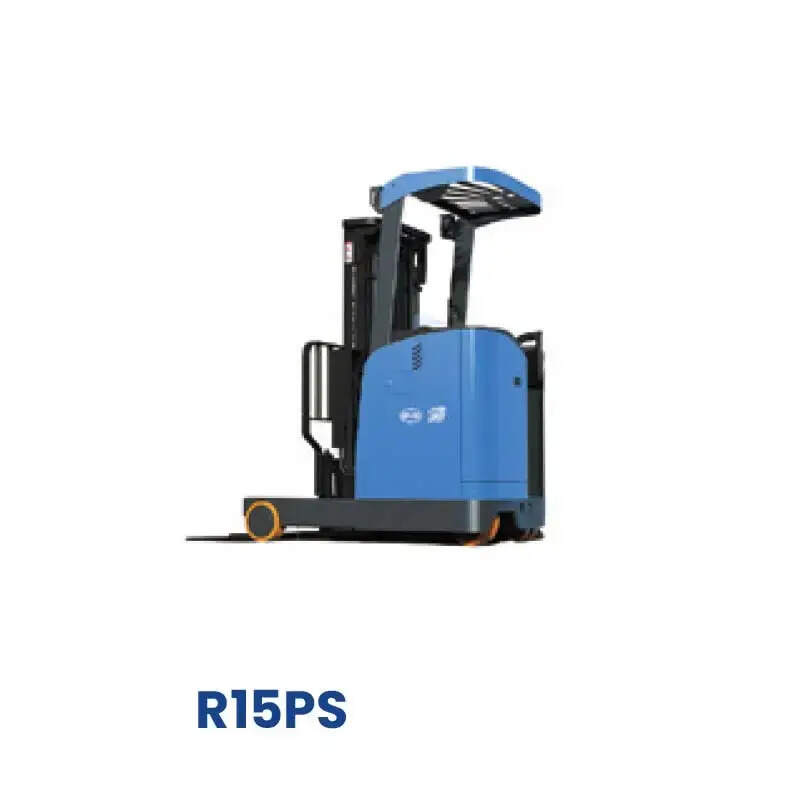
As low-carbon logistics becomes the mainstream trend of the global storage and transportation industry, electric forklifts have gradually become one of the most commonly used core handling equipment in indoor warehouses, manufacturing workshops and distribution centers. This guide systematically sorts out practical professional knowledge around the use, maintenance and scenario-adapted optimization of electric forklifts, to provide effective reference for related practitioners.
Core Safety Specifications for Daily electric forklift Operation
Before starting the equipment, operators need to complete pre-driving inspections covering tire pressure, brake sensitivity, power status and the flexibility of the lifting system, and confirm that there are no obstacles or unrelated personnel in the driving route. During operation, the load weight shall not exceed the rated load range of the equipment, the center of the goods shall be kept within the allowable load center distance, and sudden steering, emergency braking and high-speed driving on slippery roads shall be avoided. For high-lifting operations, operators need to keep the body at the designated operating position, and no personnel shall stand or walk under the lifting forks to avoid accidental injury risks.
Routine Maintenance Practices to Reduce Long-term Operating Costs
Different from internal combustion forklifts, electric forklifts focus on the maintenance of power systems, walking motors and control circuits in daily use. Users need to regularly clean the dust and debris accumulated on the surface of the motor and controller, check the tightness of each wiring harness connector, and avoid liquid seepage into the electrical component cavity. For the power battery module, it is necessary to follow the formal charging specifications, avoid over-discharging and long-term full-power storage, and regularly check the battery cell status and heat dissipation performance, to maintain the stable working state of the power system for a long time. The regular lubrication of the rotating and connecting parts of the gantry and the body can also effectively reduce component wear and reduce the failure rate in the subsequent use stage.
Scenario Adaptation Optimization to Improve Overall Handling Efficiency
In closed indoor scenes such as finished product warehouses and raw material workshops, electric forklifts can give full play to the advantages of zero exhaust emissions and low operating noise, and users can reasonably plan the driving route and operation interval according to the cargo access frequency, to avoid repeated turnaround paths. In low-temperature or high-humidity working environments, users need to take targeted protection measures for the electrical system of the equipment, and adjust the maintenance cycle appropriately according to the actual working intensity, to ensure that the equipment can maintain stable operation under different working conditions.


