
 English
 简体中文
 Русский
 Français
 Português
 Español


Nowadays, lithium ion forklifts have gradually become the mainstream choice in modern warehousing, manufacturing and logistics scenarios, replacing part of traditional internal combustion forklifts and lead-acid battery forklifts for their outstanding environmental performance and stable operation output. Many industrial users pay high attention to core indicators that affect use experience and long-term value of such equipment, and sorting out key factors can help users make more reasonable selection and operation arrangement.
First of all, the matching performance of lithium battery pack is the core factor that determines the basic operation capacity of the forklift. Reasonable energy density can balance the equipment’s load endurance and whole vehicle weight, to ensure that the forklift can complete 8-hour or even longer continuous operation under standard working conditions without frequent charging. Stable cycle performance can effectively reduce later battery replacement frequency, avoid unnecessary extra cost input during long-term use of the equipment.
The second key factor is the multi-dimensional safety protection system of the whole vehicle. Lithium ion forklifts working in high-intensity industrial scenarios need to adapt to complex working conditions such as high and low temperature, heavy load impact, frequent bumping. Perfect overcharge and over-discharge protection, temperature control protection, whole vehicle anti-collision and anti-slip design can effectively reduce operation risk, ensure the stability of the equipment in long-term high-frequency use.
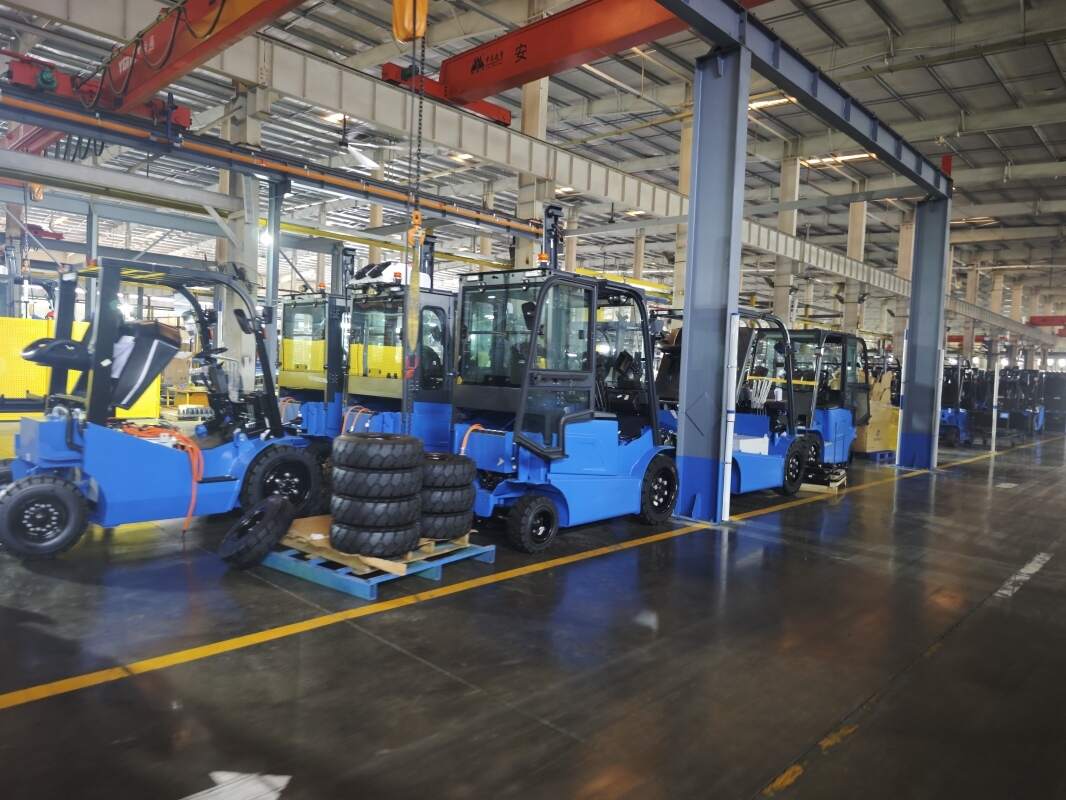
The third key factor is the operation ergonomics and intelligent management function. Reasonable layout of operation handles, adjustable driving space and clear instrument display can reduce the fatigue of operators after long-time work. The built-in intelligent data statistics module can record operation status, power consumption and maintenance reminder information of the equipment in real time, which is convenient for enterprise managers to carry out unified scheduling of the whole fleet of material handling equipment.
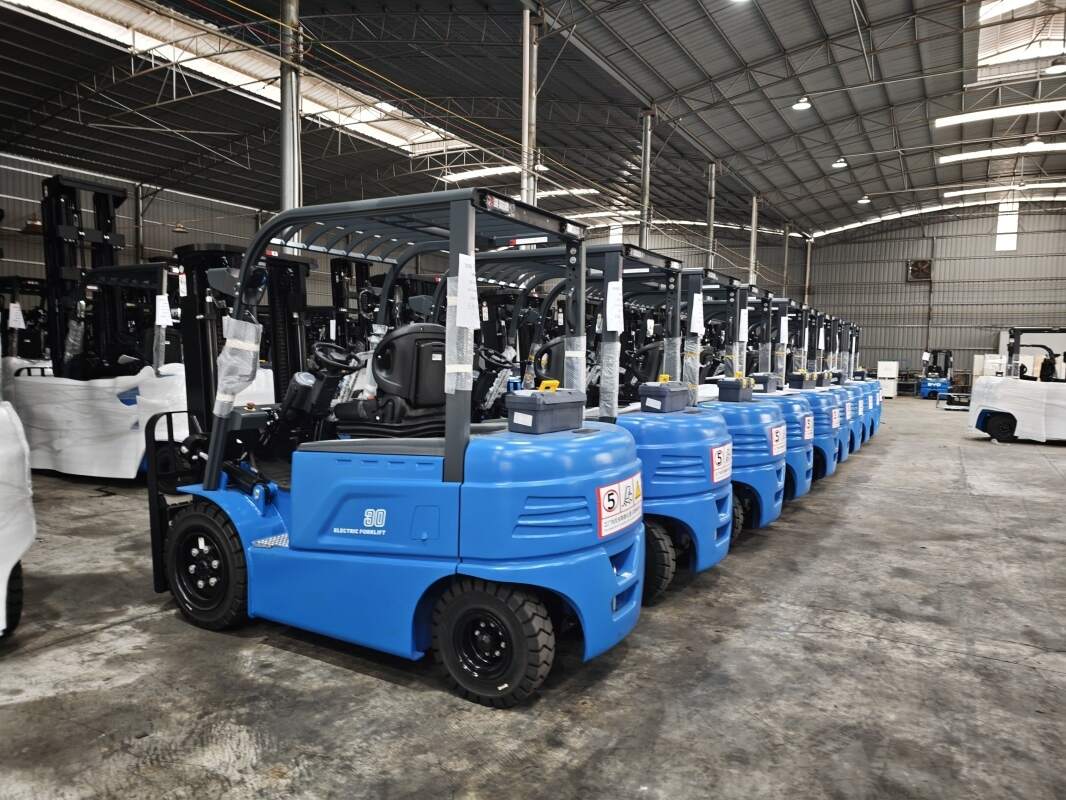
The last key factor is the full life cycle operation cost. Compared with traditional fuel equipment, lithium ion forklifts do not produce exhaust emissions, and the daily energy consumption cost is lower. There is no need for regular maintenance of engine related components, which further reduces later operation and maintenance input.
We are Jianshu New Energy, focusing on BYD electric forklift products. If you have any demand for relevant product consultation, you can contact us via the email address [email protected].


