
 English
 简体中文
 Русский
 Français
 Português
 Español


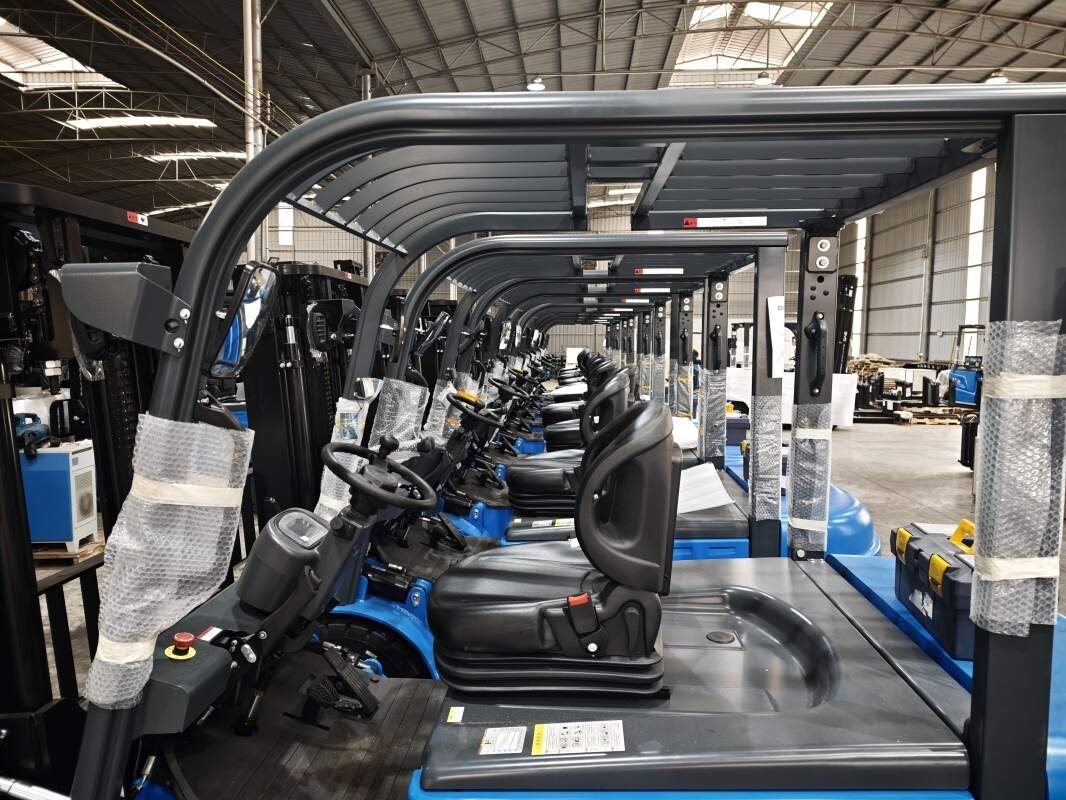
As the core equipment of modern indoor material handling scenarios, electric forklifts have been widely applied in warehouses, manufacturing workshops, cold chain storage and other scenarios in recent years. Reasonable mastering of its use rules and maintenance skills can help relevant practitioners give full play to the performance of the equipment and reduce unnecessary operation loss.
Core Pre-operation Check Specifications
Before starting any use of the electric forklift, operators need to complete a full range of visual and functional inspections first. The inspection scope covers the remaining power status of the power system, the flexibility of the steering system, the sensitivity of the braking device, the integrity of the forks and lifting accessories, and the normal display status of all instrument panels. For scenarios with special operation requirements such as wet ground or low temperature environment, personnel also need to check the sealing performance of the core circuit parts in advance, to avoid potential safety hazards caused by unexpected environmental factors.
Standardized Daily Operation Guidelines
In the actual operation process, operators need to strictly follow the operation specifications to adjust the driving speed according to the on-site site conditions and the weight of the loaded goods, avoid sudden acceleration and sudden braking that exceed the load limit for a long time. When stacking goods at high positions, personnel should pay attention to the stability of the center of gravity of the whole vehicle, and shall not carry over-height obstacles that block the front view of the operator. After each operation is completed, the operator should drive the equipment to the designated parking area, lower the forks to a position 10 to 15 cm from the ground, pull up the handbrake, and cut off the main power supply of the equipment.
Routine Maintenance and Daily Care Tips
Regular maintenance work can effectively extend the stable service cycle of electric forklifts, the maintenance frequency can be adjusted appropriately according to the actual working intensity of the equipment. In daily care, personnel should regularly clean the dust and sundries accumulated on the surface of the equipment and the heat dissipation parts of the motor, check the connection tightness of each circuit connector, and do a good job of standardized charging management according to the characteristics of the power battery, avoid long-term power loss storage, and avoid overcharging for a long time. For wearing parts such as tires and brake pads, regular wear detection is required, and replacement should be arranged in time when the wear degree reaches the set warning value, to maintain the stable operation performance of the equipment.


