
 English
 简体中文
 Русский
 Français
 Português
 Español


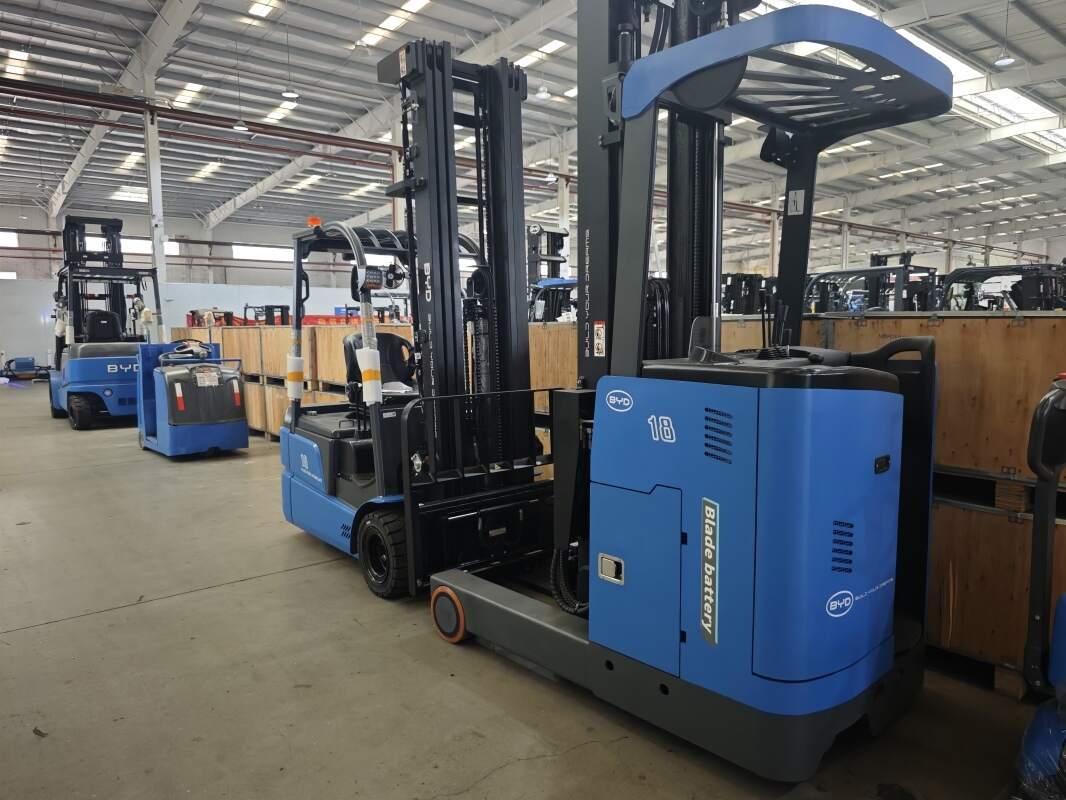
Electric forklifts have gradually become a core component of modern industrial material handling scenarios, as they produce zero on-site emissions and deliver relatively low operational noise compared to traditional internal combustion counterparts. For warehouse and logistics teams that prioritize long-term operational stability and cost control, mastering systematic usage rules and management strategies can effectively extend service life and reduce unnecessary operational risks.
Core Daily Pre-operation Check Norms
Before each startup, operators need to complete a series of standardized checks covering key components, including the remaining battery power, the tightness of load forks, the flexibility of steering and braking systems, as well as the normal operation of lighting and warning signal devices. Any abnormal sound or loose component detected during the check should be recorded and reported to the management team in time, rather than forcing the equipment to run under unqualified conditions, which may cause hidden safety hazards for subsequent handling work.
Scientific Maintenance Strategies for Long-term Stable Operation
Unlike fuel-powered equipment, electric forklifts focus more on the maintenance of power systems and electrical connection points. Operators should keep the surface of the battery pack dry and clean, avoid long-term full power or zero power storage status, and arrange regular professional inspection of the motor and control circuit every set period of operating hours. It is not recommended to modify the internal circuit structure of the equipment without professional guidance, which may affect the original operation performance and safety protection mechanism of the device.
Efficiency and Safety Balanced Operation Principles
During daily handling operations, operators need to match the load weight within the rated load range of the equipment, avoid sudden acceleration or sharp steering when carrying heavy loads, and keep a sufficient safety distance from surrounding personnel and shelf facilities. Reasonable arrangement of operation routes can reduce unnecessary frequent turns and long-distance back and forth driving, which not only reduces the consumption of power, but also reduces the wear of tire and transmission components. Regular professional training for operation teams can help form good operation habits, reduce misoperation scenarios, and further improve the overall material handling efficiency of the site.


