
 English
 简体中文
 Русский
 Français
 Português
 Español


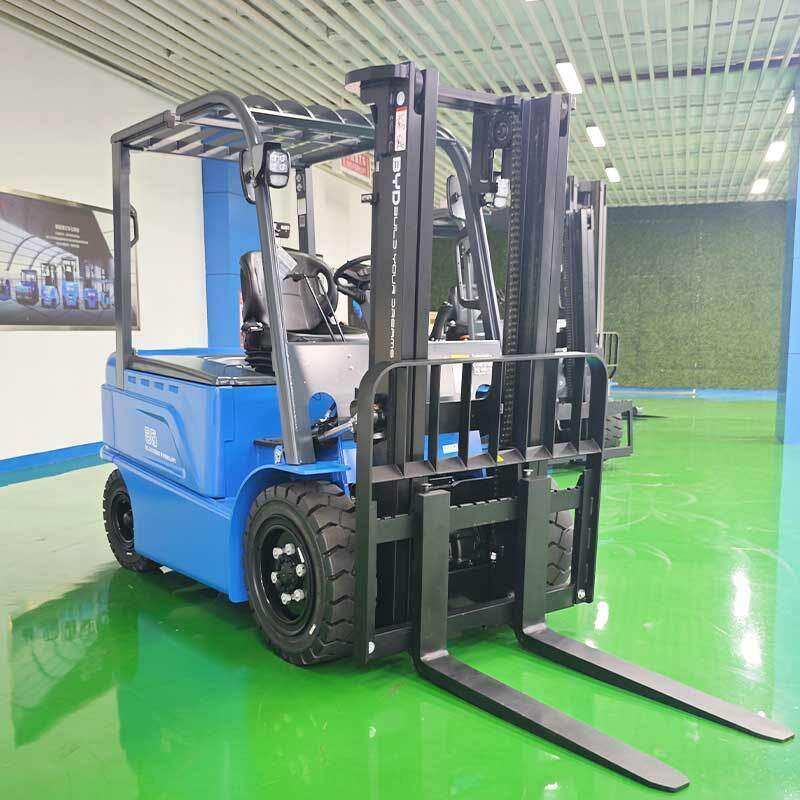
As low-carbon logistics and warehouse operation concepts gain wider popularity, electric forklifts have become one of the most commonly used material handling equipment in indoor storage, retail distribution and light manufacturing scenarios. Reasonable mastery of correct use and maintenance methods can help operators give full play to the performance of the equipment, avoid unnecessary operation risks, and control the overall operation cost of the fleet.
Core Operation Standard Specifications
Before each shift, operators need to complete a full pre-operation inspection, covering remaining power level, brake sensitivity, steering system flexibility and the integrity of protection components around the mast. During the operation process, operators should avoid overloading beyond the rated load range, keep a safe distance from surrounding personnel and stacked goods in the narrow warehouse channel, and avoid sharp acceleration and sudden stop when driving on slopes to keep the vehicle stable. It is also recommended that operators adjust the driving speed according to the actual scene visibility and pedestrian flow to reduce potential collision risks.
Routine Daily Maintenance Protocols
After each use, operators can wipe the dust and residual goods attached to the vehicle surface, especially the heat dissipation part of the power system, to avoid affecting the normal heat dissipation effect in subsequent high-intensity operation. For the power battery part, it is recommended to avoid long-term overcharge and complete discharge, and keep the charging environment well ventilated and away from high temperature heat sources. The maintenance team can regularly check the wear degree of tires, the sealing performance of hydraulic pipelines and the flexibility of fork lifting action, and deal with minor abnormal conditions in time to avoid further expansion of faults.
Performance Optimization for Extended Service Life
When the equipment needs to be idle for a long time, it is recommended to store it in a dry, flat and sun-shaded position, and replenish power regularly according to the specification requirements to keep the battery activity in a reasonable range. For different operation scenarios with different load demands, operators can select the corresponding operation mode to match the actual work needs, which can effectively reduce unnecessary power consumption and prolong the single continuous working time. Regularly organizing operation personnel to complete targeted skill training can also help the whole team form standardized operation habits, and reduce the equipment wear caused by irregular operation. Following the above operation and maintenance specifications can help relevant operators better use electric forklift equipment, bring more stable performance output in daily material handling work, and create higher practical value for the operation of the whole logistics system.


