
 English
 简体中文
 Русский
 Français
 Português
 Español


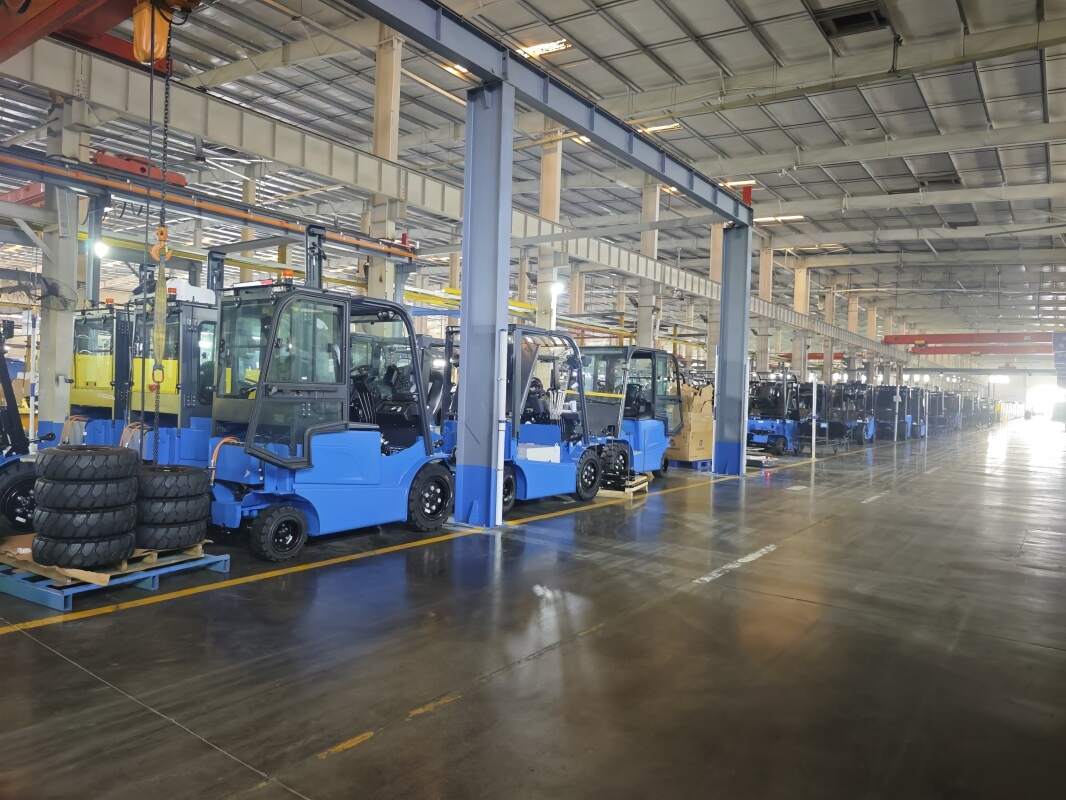
Against the general trend of low-carbon transformation in the global logistics industry, electric forklifts have gradually become the mainstream choice for indoor and closed-site material handling scenarios, replacing a large proportion of traditional internal combustion handling equipment in recent years. Many frontline operators and warehouse managers still lack systematic and practical knowledge about the features, operation norms and value tapping of such equipment, which easily leads to unnecessary performance loss and shortened service life in daily use.
Core Functional Advantages of Modern Electric Forklifts
Different from fuel-powered counterparts, modern electric forklifts adopt electric drive systems that produce no on-site exhaust emissions during operation, which can well meet the environmental control requirements of food processing workshops, pharmaceutical warehouses and other scenarios with high air quality standards. The operation noise of qualified products is kept at a relatively low level, which will not cause continuous noise interference to the surrounding working environment, and the vibration generated during operation is far lower than that of internal combustion equipment, effectively reducing the physical fatigue of operators after long hours of continuous work. The power output curve of electric drive system is smoother, which can provide more stable traction and lifting force during low-speed handling, reducing the risk of cargo dropping caused by sudden power change.
Routine Operation and Maintenance Guidelines
Daily standardized maintenance is the key to keep electric forklifts in good working condition for a long time. For the energy storage module, operators should regularly check the charge and discharge state, avoid long-term deep discharge that may damage the internal structure of the battery, and clean the dust on the surface of the heat dissipation structure of the motor and controller every 1 to 2 weeks to avoid poor heat dissipation caused by accumulated sundries. It is also necessary to regularly check the wear degree of the brake pads, the sealing performance of the hydraulic lifting system, and the wear condition of the driving wheels, to timely find out potential hidden troubles that may affect operation safety. Users should avoid using the equipment in heavy rain for a long time, and place the vehicle in a ventilated and dry area for charging after use.
Scenario-based Efficiency Optimization Suggestions
In actual application, operators can select equipment parameters matching the actual working conditions according to the average load weight, working aisle width and daily operation duration of the site, to avoid performance mismatch that causes waste of resources. In the process of daily scheduling, the management team can reasonably arrange the handling route to reduce the no-load driving time of the equipment, and formulate a reasonable shift rotation plan to avoid long-time continuous overload operation of the equipment. For long-term high-intensity working scenarios, users can configure supporting supplementary charging facilities according to actual needs, to ensure the continuity of daily material handling operations.


