
 English
 简体中文
 Русский
 Français
 Português
 Español


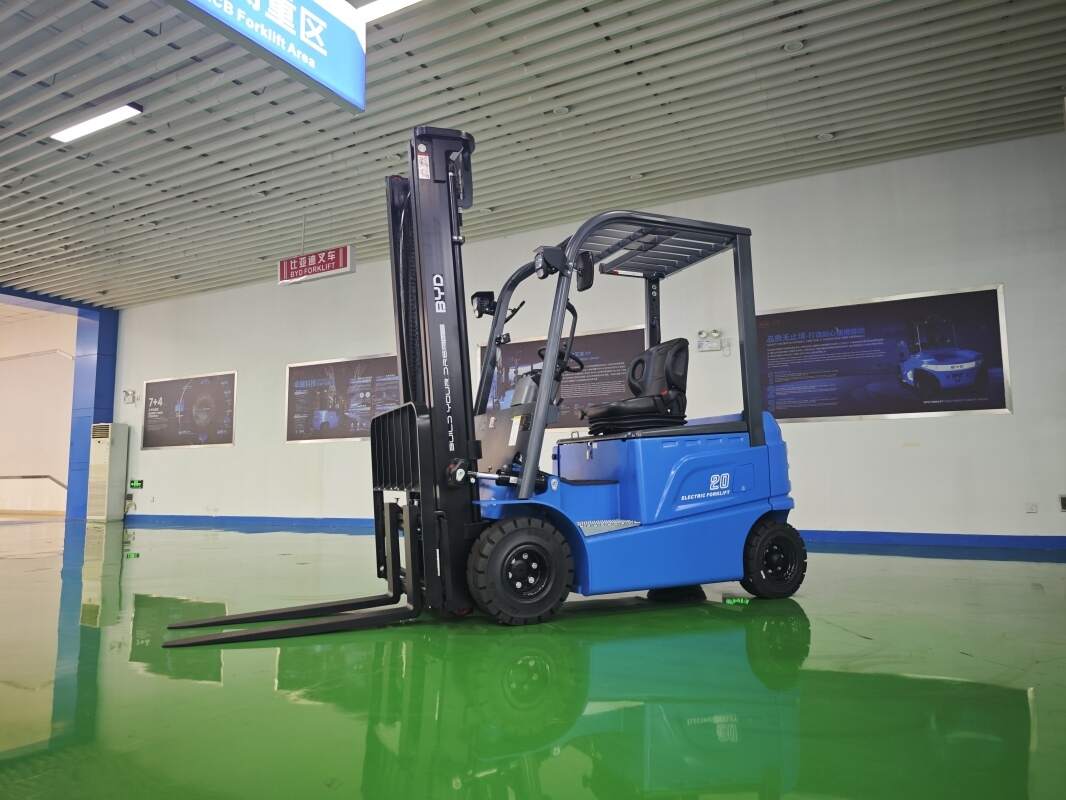
Against the backdrop of global low-carbon logistics development, electric forklifts have become one of the most widely used material handling equipment in warehouses, distribution centers and light industrial production workshops, thanks to their low noise, zero local emission and relatively low long-term energy consumption. Mastering standard operation and proper maintenance knowledge can help relevant practitioners give full play to the performance of such equipment, and avoid unnecessary equipment loss and safety risks in daily use.
Core Pre-operation Check Protocols
Before each shift operation, operators need to complete a full range of basic checks in accordance with relevant safety specifications. First, confirm the remaining power of the power battery, and ensure the power supply can support the full shift of operation to avoid sudden power loss in the handling process. Then check the sensitivity of the braking system, the flexibility of the hydraulic lifting structure, and the normal operation of the warning light and prompt horn. Operators should also check the wear degree of the tire surface, and remove the sundries stuck in the tire gap in time to avoid slip or rollover risk in the driving process. Any abnormal situation found in the pre-check should be reported to the management personnel in time, and the equipment cannot be put into operation before hidden dangers are eliminated.
Optimized Operation Habits to Protect Equipment Performance
In the daily operation process, operators should avoid frequent sharp acceleration, sharp steering and emergency braking as much as possible, which will cause extra loss to the motor and driving structure. The actual load of the fork shall not exceed the rated load marked on the equipment nameplate, and the center of the goods shall be kept within the allowable load center distance, so as to avoid the risk of goods falling or equipment tipping. When driving on the ramp with a gradient within the allowable range of the equipment, keep the goods facing the uphill direction, and do not turn on the ramp to ensure operation safety. When the equipment is not in use for a short time, do not keep the motor in high load operation state for a long time, and turn off the power lock in time after the operation is completed.
Scientific Daily Maintenance to Extend Service Life
Daily maintenance work can effectively reduce the failure rate of electric forklifts and extend the overall service cycle of the equipment. The dust and debris accumulated on the surface of the motor and heat dissipation structure should be cleaned regularly to avoid affecting the heat dissipation efficiency and causing excessive temperature of the core components. For the power battery, operators should check the tightness of the wiring terminal and the surface corrosion regularly, avoid overcharging and over discharging in the charging process, and arrange the charging work in a cool and ventilated environment as much as possible. The regular maintenance shall be completed by the professionally trained personnel, and the performance parameters of the control system shall be calibrated periodically to keep the equipment in stable operation state.


