
 English
 简体中文
 Русский
 Français
 Português
 Español


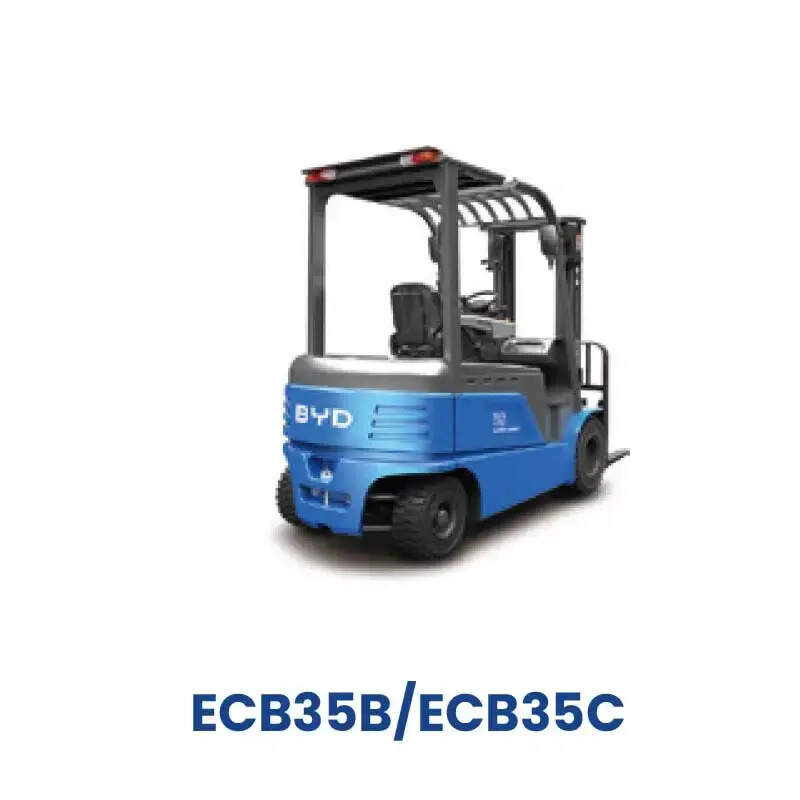
As one of the most widely used core material handling equipment in modern logistics scenarios, electric forklifts have gained growing popularity across indoor warehouses, manufacturing workshops, and cold chain storage sectors in recent years. This guide summarizes practical, industry-recognized operation and application knowledge shared by senior practitioners in the electric forklift sector, to help relevant staff master core skills and avoid unnecessary operational mistakes.
Core Advantages of Electric Forklifts in Common Application Scenarios
Compared with traditional internal combustion handling equipment, most electric forklifts produce no tail gas emission during the whole working process, which fits the environmental protection requirements of enclosed indoor workspaces. Their whole-unit noise level is relatively lower, which can reduce disturbance to on-site staff who work for long consecutive hours. Most models can complete basic handling tasks such as pallet stacking, horizontal goods transfer, and high-position goods picking in scenarios with stable flat ground, covering the daily operation demands of most small and medium-sized logistics sites. The whole body structure of mainstream electric forklift products is relatively compact, which can adapt to the passage space of common narrow-aisle warehouse layout.
Standard Daily Maintenance Practices for Stable Long-term Use
Regular inspection is a key part to keep electric forklifts in stable working condition for a long period. Before each shift, operators can check the remaining power level of the power supply module, confirm the flexibility of the lifting mechanism and braking system, and wipe the dust and debris accumulated on the surface of the operation interface. After the daily work is finished, staff can park the equipment in the designated area, turn off the whole power supply, and complete routine cleaning of the body. It is not recommended to leave the equipment in full load state for more than 2 consecutive hours in high temperature environment, to avoid extra wear of core components, and users can arrange regular professional inspection for internal parts every certain working cycle.
Practical Operation Optimization Suggestions for Better Performance
Operators can receive systematic pre-job training before formal on-duty, to get familiar with the operation logic of different function buttons, and avoid misoperation that may cause unnecessary damage to goods or equipment. When working in narrow aisle scenarios, staff can adjust the traveling speed to adapt to the surrounding space condition, to keep stable and smooth operation status. For long-distance transfer tasks, reasonable path planning can effectively reduce unnecessary energy consumption, and improve the overall operation efficiency of the whole working shift, and reduce the extra cost of daily operation of the logistics site.


