
 English
 简体中文
 Русский
 Français
 Português
 Español


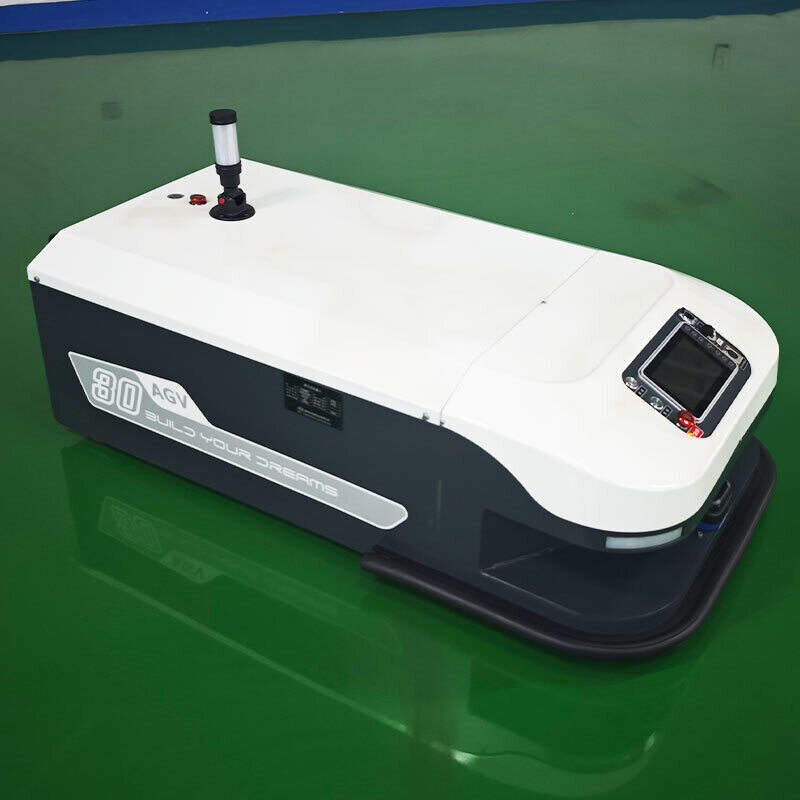
As low-carbon logistics development gains wider promotion across global industrial and warehousing sectors, electric forklifts have become one of the most mainstream material handling equipment choices for most operation scenarios, bringing notable optimization to daily logistics operation flows.
Core Performance Advantages of Electric Forklifts
Compared with traditional internal combustion powered handling equipment, modern electric forklifts produce zero local exhaust emission during operation, and generate far lower noise and vibration, which greatly improves the operation environment for both on-site operators and surrounding working staff. Most mainstream current models are powered by stable lithium battery systems, which can support continuous operation for hours after full charge, and the overall energy consumption cost per unit operation time is relatively lower, making the equipment suitable for closed warehousing spaces, food processing workshops, pharmaceutical storage areas and other scenarios that have strict requirements for environmental hygiene. The compact structural design of most electric forklift models also enables flexible driving in narrow aisle areas, to make full use of limited warehousing storage space.
Standardized Electric Forklift Operation Specifications
All operators need to receive systematic professional training before taking post, to get familiar with the basic structure and operation logic of the equipment. Pre-operation inspection must be completed before each shift, which covers checking the brake system sensitivity, remaining power display status, fork surface deformation situation, and the normal operation of all warning lights. During operation, operators should strictly refer to the rated load parameter of the equipment, and avoid overload operation that may cause potential safety risks. It is required to reduce the driving speed and give sound reminders when passing narrow aisles, crossing pedestrian paths or making turns. When the equipment is parked, operators should lower the forks to the ground, pull up the handbrake and cut off the main power supply in time. Non-emergency sudden stop or sharp steering moves should be avoided during normal driving process, to prevent loaded goods from slipping and causing unexpected safety accidents.
Scientific Daily Maintenance Strategies
Reasonable regular maintenance can effectively extend the service life of electric forklifts and reduce unexpected downtime. For battery powered systems, operators should follow official operation guidelines to complete charging procedures, and avoid frequent overcharging or over-discharging behaviors. If the equipment will be left unused for a long period, it is suggested to keep the remaining battery power at a reasonable medium level. It is also necessary to clear the dust and sundries near the motor heat dissipation port on a regular basis, check the liquid level of hydraulic oil regularly, replace aged sealing parts in time, and calibrate the sensitivity of steering and brake systems at fixed cycles. Operators are not supposed to refit the original circuit structure of the equipment without professional guidance. Once abnormal operation signals are detected during work, users should stop operation immediately and arrange professional maintenance personnel to carry out inspection, to prevent further damage to the core components. Following the above practical rules can help enterprises make full use of the performance of electric forklifts, optimize the overall material handling operation efficiency, and reduce long-term comprehensive operation cost of logistics systems.


