
 English
 简体中文
 Русский
 Français
 Português
 Español


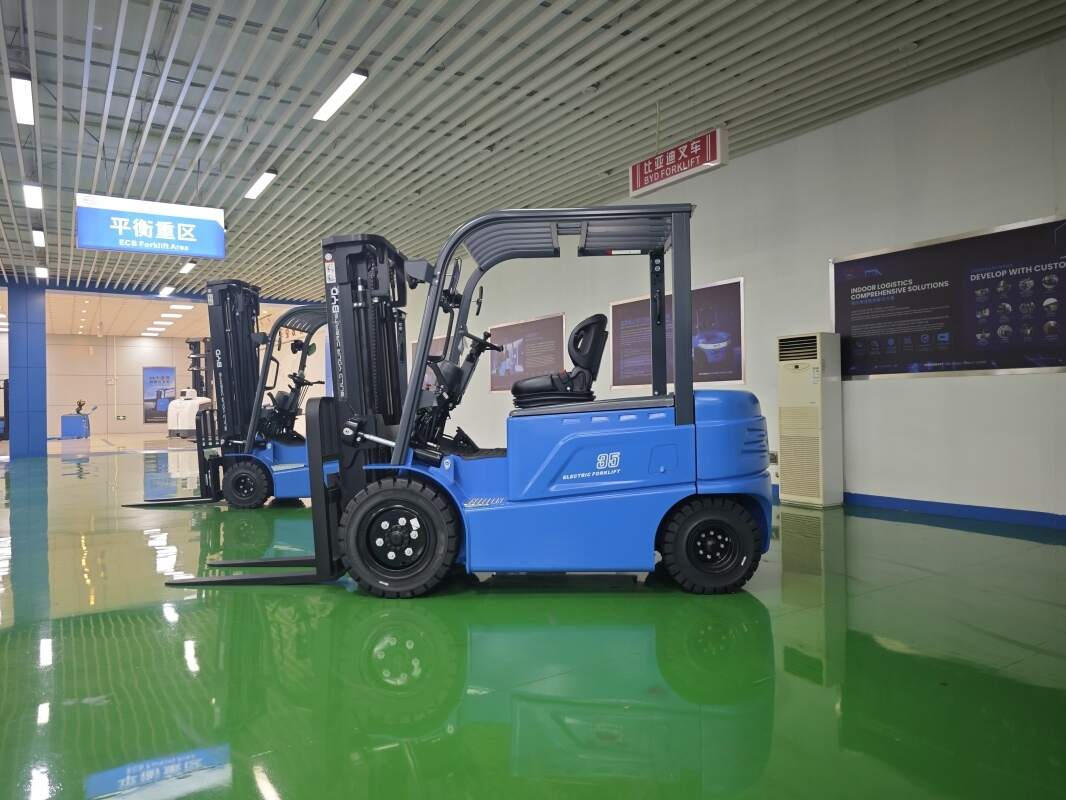
As low-carbon logistics development gains wider recognition across the industrial sector, electric forklifts have become one of the most widely deployed material handling equipment in modern warehouse, port and manufacturing workshop scenarios. For frontline operators and warehouse managers, mastering correct usage and management methods can maximize the value of the equipment in daily operations.
Core Advantages of Modern Electric Forklifts
Compared with traditional internal combustion counterparts, current electric forklift products feature zero local exhaust emissions, relatively low operating noise, and lower overall energy consumption per unit of operation, which fits the low-carbon transformation goals of most industrial sites. Most common models on the market now support modular battery configuration, which can adapt to different duration needs of continuous operation scenarios without extra long waiting time for charging. The compact size of many small-specification models can also adapt to narrow aisle operation requirements of new-style dense storage warehouses.
Standardized Daily Operation Protocols
Before starting each shift, operators need to complete basic pre-check procedures, including checking the remaining power level of the battery, the flexibility of the lifting and steering systems, and the intact condition of the safety warning lights and horn. During the operation process, operators should keep the load center within the specified allowable range, avoid sharp turning on wet or slippery ground, and do not carry extra personnel on the working carriage that is not designed for passenger carrying. When the equipment is parked, the fork should be lowered to contact the ground, the power supply should be cut off, and the hand brake should be pulled to avoid accidental sliding.
Routine Maintenance Tips to Extend Service Life
Regular cleaning of the dust and debris accumulated on the surface of the motor, controller and battery compartment can effectively prevent the abnormal heat dissipation of core components. For the battery pack, management staff should follow the specified charging rules, avoid deep discharge that drains the power completely on a regular basis, and check the connection terminals regularly to prevent oxidation and poor contact. The lubrication points of the transmission and lifting mechanism should be filled with suitable lubricating oil on schedule according to the operation manual, to reduce unnecessary wear of moving parts under high frequency use.
Common Misoperations to Avoid
Many improper operations in daily use will shorten the service life of the equipment, including frequent overloading beyond the rated load, long time working in high temperature or heavy dust environment without extra protective measures, and using the fork to pry heavy objects that are not designed for the working scene. Regularly carrying out operational skill training for all frontline operators can effectively reduce the occurrence of such misoperations, reduce unnecessary downtime, and improve the overall operation efficiency of the warehouse.


