
 English
 简体中文
 Русский
 Français
 Português
 Español


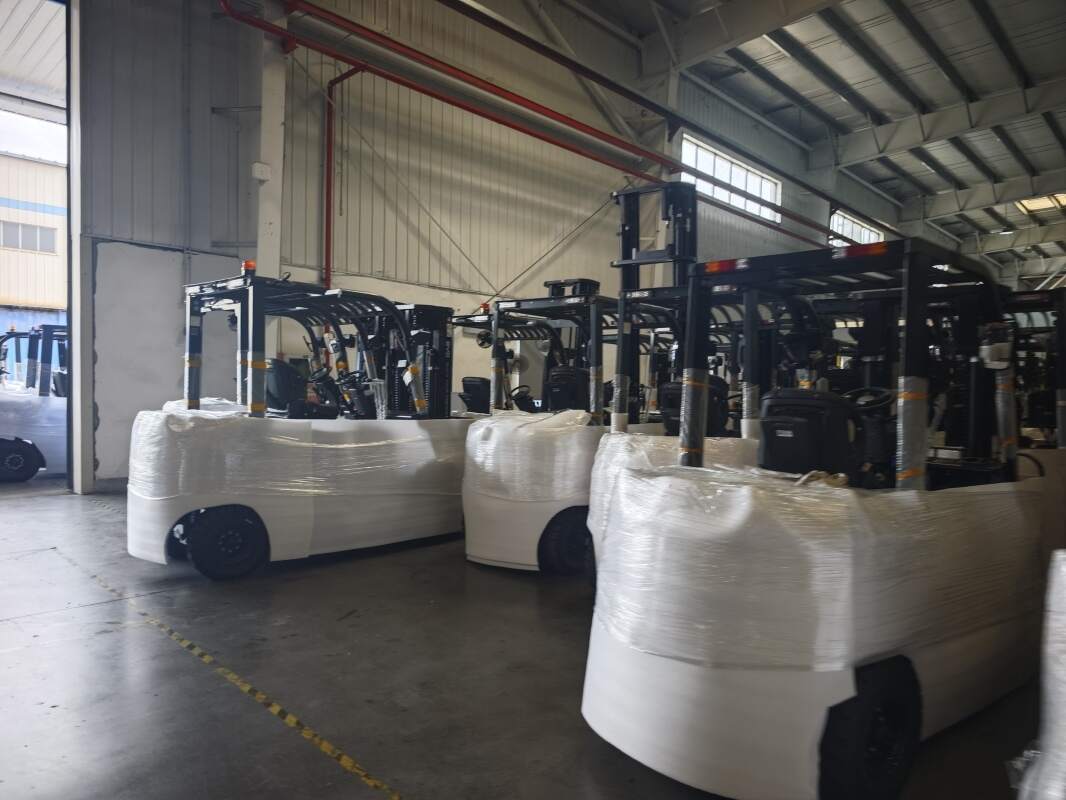
As core green material handling equipment, electric forklifts are widely applied in modern warehousing, manufacturing distribution centers and light industrial scenarios, with their low noise, zero local emission and low operating cost features gaining growing recognition across different industry sectors. To maximize the service life and comprehensive performance of these devices, operators and facility managers need to master systematic standardized operation and management specifications, instead of following unregulated random working habits.
Standard Daily Operation Specifications
Before starting any shift operation, operators need to complete a full pre-operation check covering brake sensitivity, tire wear condition, remaining battery power level and lifting chain tightness, to eliminate potential hidden risks before formal loading and unloading tasks. During the operation process, users should avoid sudden acceleration or sharp turning under full load state, and strictly follow the rated load limit marked on the equipment body, to prevent unbalanced cargo tipping or device structural damage. For narrow aisle scenarios, operators need to adjust the traveling speed to match the surrounding personnel flow and shelf layout, to reduce unnecessary collision risks to goods and facility structures.
Routine electric forklift Maintenance Points
Different from internal combustion forklifts, electric forklifts put more focus on the health status of power systems and electrical components during daily maintenance work. The battery pack should be charged in a well-ventilated designated area, and the electrode terminals need to be wiped regularly to remove accumulated dust and electrolyte residue, to avoid abnormal power consumption or poor contact issues. Operators should also check the wear degree of the walking motor and hydraulic lifting system every two weeks, replace worn lubricating oil for movable connecting parts on schedule, and arrange for professional technicians to conduct full system inspections every quarter to detect minor faults in the early stage.
Efficiency Optimization Tips for Warehouse Scenarios
Reasonable route planning can effectively lift the overall working efficiency of electric forklift fleets. Facility managers can classify stored goods according to their picking frequency, place high-frequency turnover goods in the low-level shelf area near the loading and unloading port, to reduce the average traveling distance of each forklift operation. Arranging reasonable rest and charging shifts for the fleet can avoid the situation that multiple devices run out of power at the same time during peak operation hours, ensuring continuous and stable material handling progress of the whole facility.


