
 English
 简体中文
 Русский
 Français
 Português
 Español


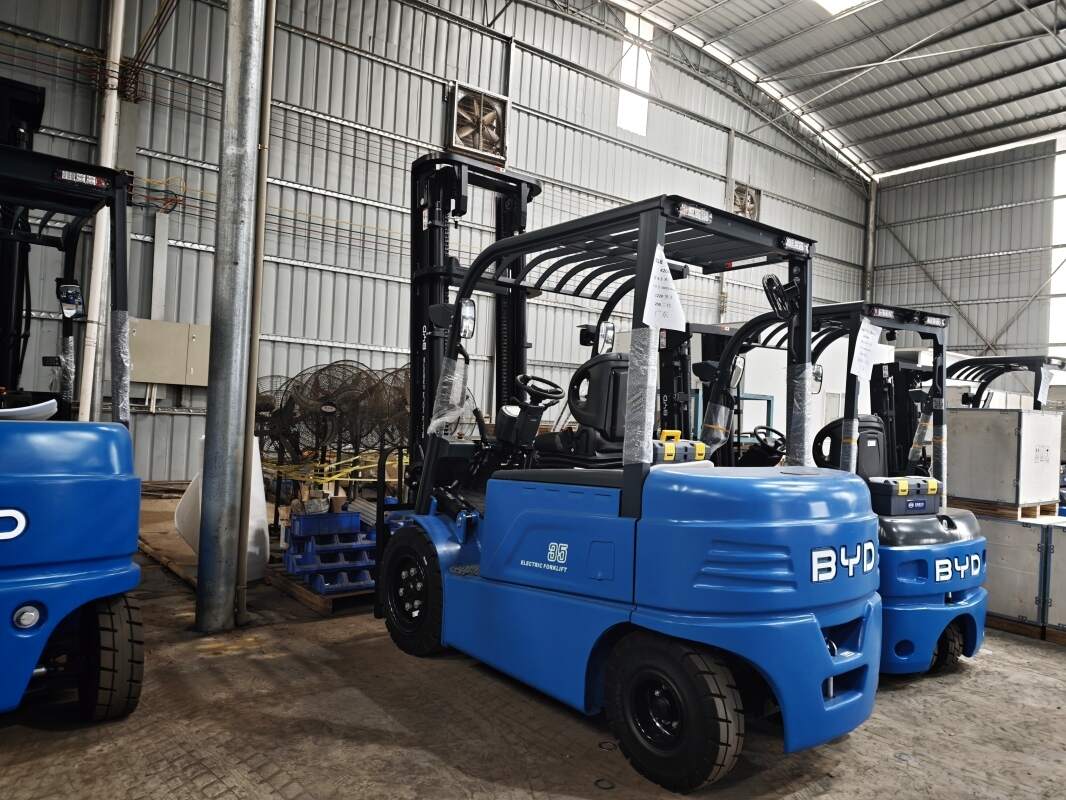
As the widely applied new-generation material handling equipment in modern logistics scenarios, electric forklifts have been deployed in warehousing, manufacturing distribution and retail delivery fields in recent years. Mastering standardized operation and scientific maintenance methods can help enterprises reduce unnecessary operating costs, improve on-site handling safety, and give full play to the inherent performance advantages of the equipment.
Core Operational Best Practices for Daily Use
Before each startup, operators need to complete basic pre-checks, including confirming the remaining power level, checking the flexibility of the braking system, steering mechanism and lifting hydraulic parts, and confirming that no abnormal foreign matter is stuck in the walking wheel area. During the operation process, operators need to strictly follow the on-site load limit regulations, avoid overloading beyond the rated load capacity for a long time, keep the load goods stable when walking on ramps, and do not carry out sharp steering or high-speed movement when the fork is lifted to a high position. Operators should also reserve enough safety distance from surrounding shelves, passing personnel and other operating equipment to reduce the risk of collision.
Routine Maintenance Points to Extend Service Life
For the core power system of electric forklifts, regular cleaning of the battery surface and checking the tightness of the wiring terminals can effectively avoid abnormal power loss and partial short circuit risks. It is recommended to arrange professional personnel to complete the inspection of the motor and control system every certain operation cycle, timely remove the dust accumulated on the surface of the heat dissipation module to avoid the problem of performance attenuation caused by poor heat dissipation. After the daily operation is completed, the equipment should be parked in the designated parking area, lower the fork to a horizontal position, cut off the total power supply in time, and do not keep the power in a long-term full-load discharge state.
Scenario-based Efficiency Optimization Suggestions
For different operation scenarios such as high-shelf storage, narrow channel handling and heavy cargo transfer, operators can adjust the equipment operation parameters appropriately under the guidance of relevant operation specifications, to match the actual operation demands. Arranging regular operation skill training for on-site personnel can also help reduce the operation error rate, further improve the overall handling efficiency of the site, and create more stable operation value for the whole material handling link.


