
 English
 简体中文
 Русский
 Français
 Português
 Español


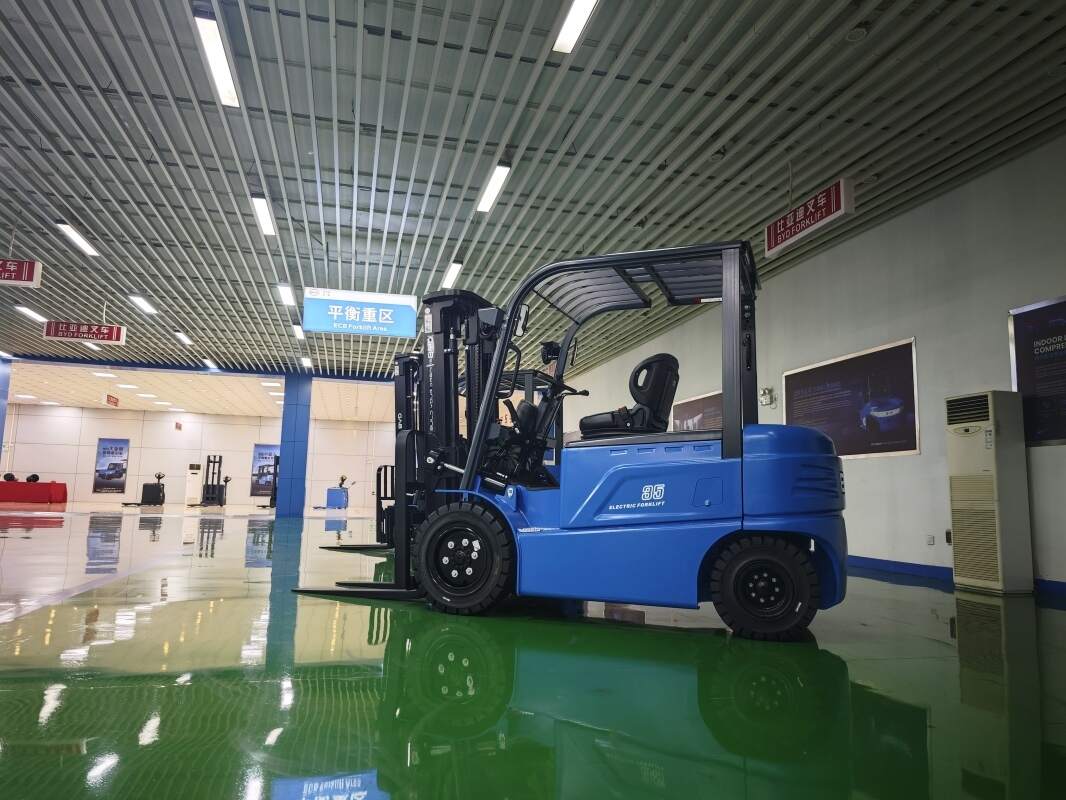
As low-carbon logistics becomes the mainstream trend in the material handling industry, electric forklifts have gradually become the core equipment for most warehouse, factory and port operation teams. Mastering correct operation and maintenance knowledge can help teams give full play to the value of the equipment, and avoid unnecessary wear and safety risks in daily use.
Core Operational Benefits of Electric Forklifts
Compared with traditional internal combustion handling equipment, electric forklifts produce no exhaust emission during operation, which can meet the environmental protection requirements of closed indoor operation scenes. Their overall operating noise is lower, which helps create a more comfortable working environment for on-site staff. The power consumption cost per unit operation is relatively stable, and there is no need for frequent refueling operations during daily shifts, which can effectively improve the continuity of material handling work.
Standard Daily Operation Specifications
Before each shift of use, operators need to check the power level, brake sensitivity, lifting mechanism flexibility and tire wear status of the equipment first, and confirm that all parts are in normal status before formal operation. During the operation process, operators need to control the driving speed according to the on-site passage condition, avoid sharp steering and sudden braking when carrying loads, and keep the load center within the allowable range marked on the equipment nameplate to avoid side tilt or cargo falling risks. After the operation shift is over, operators need to park the equipment in the designated charging or storage area, lower the lifting gantry to the lowest position, and turn off the power supply in order.
Routine Maintenance Best Practices
Regular maintenance work can effectively extend the service life of electric forklifts, and reduce the frequency of unexpected faults. Staff can wipe the surface dust and sundries on the equipment body every week, check the connection tightness of the power system line, and clean the dust accumulated on the heat dissipation part. For power batteries, follow the corresponding charging specifications, avoid over-discharging or long-term overcharging, and check the battery shell status regularly to find abnormal swelling or leakage in time. The lubrication points of the walking and lifting mechanism can be added with special lubricating grease on a regular cycle, to reduce the friction loss between mechanical parts.
Scenario Matching Application Tips
For different operation scenarios, staff can make corresponding parameter adjustments to the electric forklift to get better use effect. For narrow aisle scenes, appropriately reduce the maximum driving speed of the equipment, to leave enough reaction space for on-site obstacle avoidance. For outdoor operation scenes on non-paved roads, check the tire pressure status and suspension system status before use, to reduce the vibration impact on the equipment body during driving. After long periods of low-intensity standby, carry out a full-cycle equipment operation test before the next large-scale peak operation, to ensure that all functions can work normally.


