
 English
 简体中文
简体中文 Русский
 Français
 Português
 Español

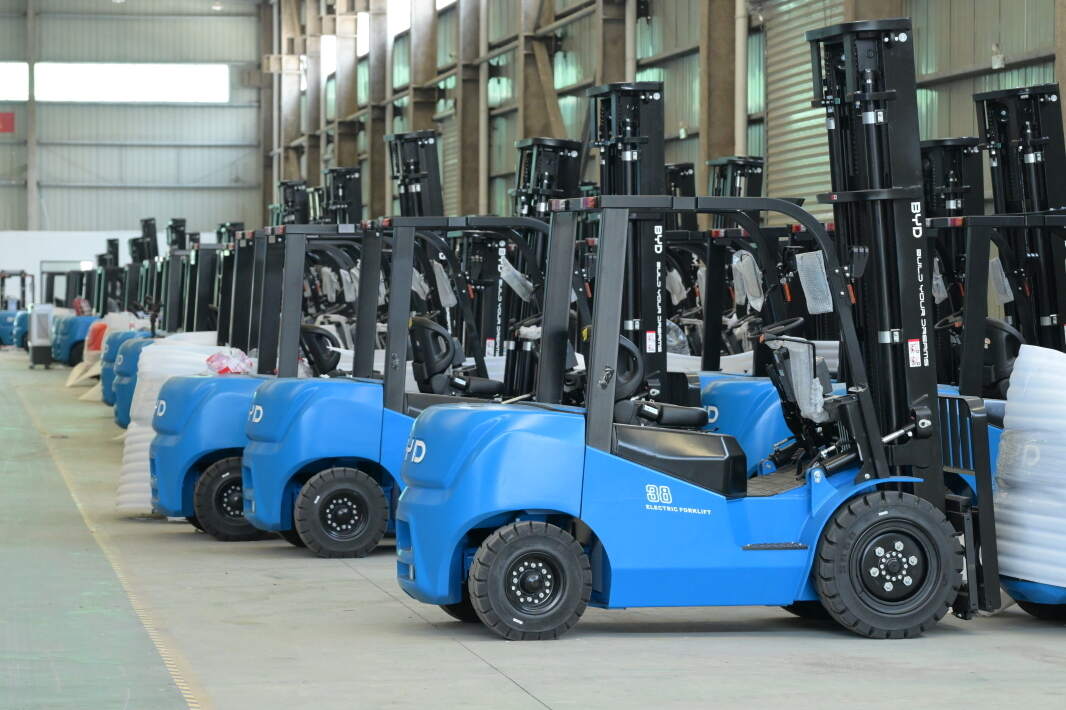
In recent years, electric forklifts have been widely adopted across warehouse, manufacturing and logistics distribution scenarios, with their low noise, zero on-site emission and flexible operation features bringing prominent advantages for daily material handling work. Reasonable mastering of correct operation and maintenance rules can help teams fully tap the value of such equipment in routine work.
Basic Operation Guidelines for Daily Use
Before each shift, operators should conduct a full appearance and function inspection, including checking the remaining power level of the power supply, the sensitivity of the braking system, the normal working status of the warning light and horn, and the integrity of the fork structure. During the operation process, workers should strictly follow the rated load limit of the equipment, avoid overloading that may cause damage to the lifting structure, keep a safe distance from surrounding pedestrians and obstacles when driving, and slow down in narrow channels or turning areas. It is not recommended to drive with the goods raised to a high position for a long time, to avoid the risk of goods falling or the center of gravity of the whole vehicle shifting. Operators should also avoid sudden acceleration or emergency braking on slippery ground, to keep the operation process stable.
Routine Maintenance Suggestions
Daily maintenance work of electric forklifts does not require overly complex operation steps, but regular implementation can effectively extend the overall service cycle of the equipment. Operators should wipe the dust and sundries on the surface of the equipment after each use, avoid flushing the electrical components directly with high-pressure water to prevent short circuit. It is necessary to check the connection status of the power interface regularly, keep the connection points dry and clean, and avoid long-term exposure of the equipment to extremely high or low temperature environment when not in use. Lubrication treatment should be carried out on the movable connection parts such as the lifting hinge and driving wheel every fixed cycle to reduce wear and tear during operation. After each work task is finished, operators should park the equipment in the designated area, lower the fork to the horizontal position close to the ground, and turn off the whole power supply.
Scene-Based Safety Optimization
For different application scenarios, the operation details of electric forklifts can be adjusted accordingly to further reduce hidden risks. In narrow aisle working environment, operators should control the driving speed strictly and make full use of the supporting positioning system to avoid collision with storage racks. For high dust or low temperature cold storage scenarios, targeted protective measures can be added to the equipment parts according to the actual use frequency, to adapt to the special environment conditions. Teams can organize regular operation skill sharing activities for front-line workers, to help all personnel get familiar with the correct operation logic of the equipment and form a stable safe working habit.


