
 English
 简体中文
简体中文 Русский
 Français
 Português
 Español

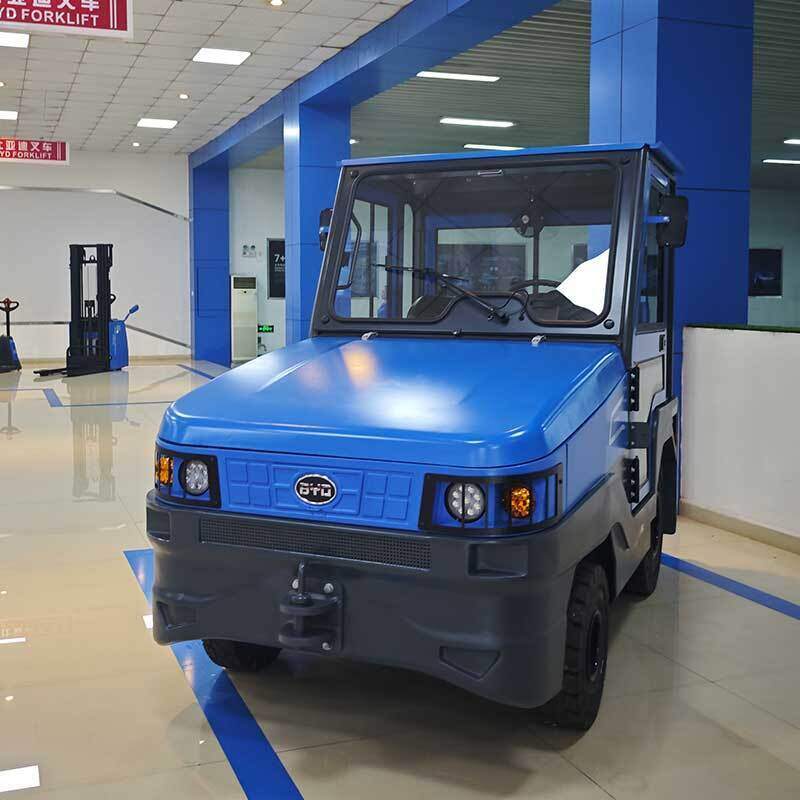
Against the background of accelerating low-carbon transformation in the global manufacturing and logistics sectors, electric forklifts have gradually become the mainstream choice for indoor and closed-site material handling operations, replacing a large number of traditional internal combustion forklift products in recent years. As a special industrial equipment integrating power system, sensor system and operation control module, its actual use effect is closely related to the operation standard, daily management and scenario matching degree of the user side.
Core Functional Advantages of Electric Forklifts
Different from fuel-powered equipment, modern electric forklifts generate almost no exhaust emissions during operation, and the overall noise level is significantly reduced, which can effectively improve the working environment of operators and surrounding staff in enclosed spaces such as warehouses, production workshops and cold storage. Its power output is more stable at low speeds, and the torque adjustment response is more sensitive, which can adapt to frequent start and stop operations in short-distance handling scenarios. The overall energy consumption cost per unit working hour is lower than that of traditional fuel equipment, which matches the current general trend of energy cost control in the industrial field, and brings more flexible adjustment space for daily operation scheduling of the team.
Scenario Matching Operation Specifications
When using electric forklifts, operators need to adjust the corresponding operation parameters according to different working scenarios to give full play to the performance of the equipment. For narrow-aisle storage scenarios, operators need to control the running speed below the safety threshold in advance, and confirm the clearance between the body and the shelf before each turning operation, to avoid accidental collision and damage to the storage facilities or goods. For heavy load handling operations close to the rated load range, users should check the power status of the power system in advance, and avoid long-time continuous climbing operations to prevent overload protection of the equipment from triggering unexpectedly. For low-temperature working scenarios such as cold storage, special adaptive transformation for the internal circuit and power module of the equipment is recommended to reduce the impact of low temperature on the overall service life.
Routine Maintenance Management Essentials
Doing a good job in daily maintenance is the core measure to maintain the stable operation of electric forklifts for a long time. After each shift, the operator should clean the dust and debris accumulated on the surface of the body and the wheel gap in time, and check the surface condition of the power module to confirm that there is no abnormal bulge or liquid leakage. The professional management personnel should regularly check the wear degree of the brake system, the sensitivity of the operation control handle and the residual capacity calibration accuracy of the power system, and carry out targeted adjustment and replacement of consumable parts according to the actual use frequency. The power module should be charged in a dedicated dry and ventilated area, and the full-power state should be maintained appropriately on a regular basis, to avoid long-term power loss state that affects the overall cycle life of the power unit.


