
 English
 简体中文
简体中文 Русский
 Français
 Português
 Español

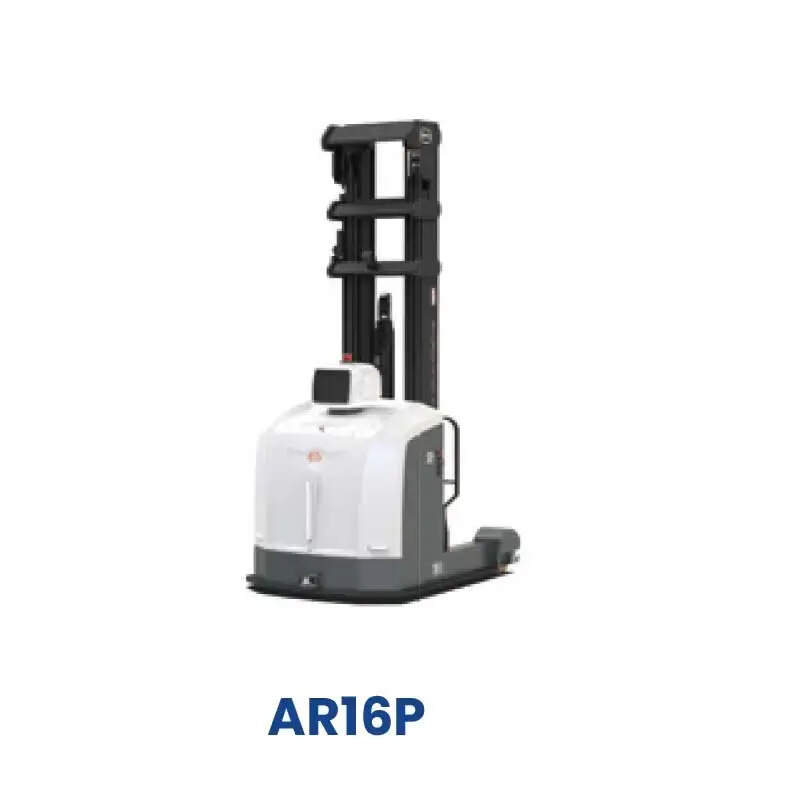
Electric forklifts have become mainstream material handling equipment for modern warehousing, manufacturing and logistics scenarios, thanks to their low noise, zero local emission and relatively low long-term operating cost. Mastering professional relevant operation and management knowledge can help frontline staff maximize equipment value while lowering unnecessary operation risks.
Core Pre-operation Inspection Protocols
Before starting each shift, operators need to complete a full range of basic checks rather than directly start working. The inspection scope covers remaining battery power level, flexibility of brake and steering system, wear degree of solid tires, tightness of lifting chains, smoothness of hydraulic pipeline connection, and normal function of all warning lights and sound prompts. Any abnormal conditions found in the inspection process should be recorded in time, and related personnel can arrange follow-up processing before the equipment is put into formal operation, to avoid hidden safety risks in subsequent tasks.
Standardized Daily Operation Specifications
In the daily operation process, operators need to follow the relevant operation requirements formulated according to the equipment performance parameters. It is not allowed to exceed the rated load limit for a long time, and the running speed should be reduced appropriately when passing uneven road surfaces, ramp areas or narrow passage intersections. It is not recommended to make sharp turns on slopes, and operators should keep the load center in a stable position in the middle of the pallet fork to avoid side rollover risk. When the equipment is parked temporarily, the operator should lower the pallet fork to close to the ground, pull up the hand brake and cut off the power supply in time.
Scientific Regular Maintenance Arrangement
Developing a scientific and targeted regular maintenance plan can effectively reduce the unexpected failure rate of electric forklifts. The outer surface of the equipment and the dust accumulated on the heat dissipation part of the drive motor should be cleaned regularly, and the battery shall not be overcharged or deeply discharged for a long time, to avoid irreversible damage to the internal battery structure. The hydraulic oil and corresponding filter elements should be replaced according to the specified cycle, and the wear condition of all transmission components should be checked regularly, to replace the corresponding wearing parts before the performance drops significantly.
Practical Energy Efficiency Optimization Methods
During daily use, reasonably planning the handling route according to the layout of the site and the task volume can effectively reduce unnecessary repeated driving and improve the overall work efficiency. When the equipment is in no-load state, it is not recommended to keep driving at the highest speed for a long time, and the power system should be turned off in time when the equipment is parked for more than 10 minutes, which can effectively reduce unnecessary power consumption and extend the single-charge continuous working duration.


