
 English
 简体中文
简体中文 Русский
 Français
 Português
 Español

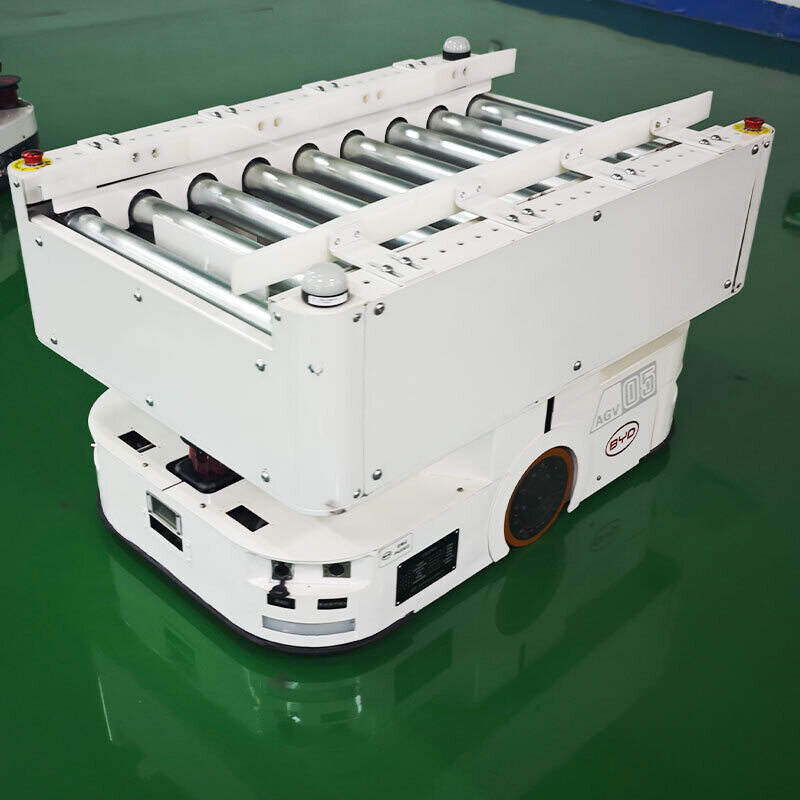
As low-carbon logistics becomes the mainstream trend in the modern warehousing and distribution industry, electric forklifts have gradually become one of the most widely used material handling equipment in closed indoor working scenarios for their low noise, zero local emissions and flexible operation performance. Many operation teams and equipment managers still lack systematic cognition of the correct use norms and value tapping of electric forklifts, which may lead to unnecessary performance loss of the equipment and shorten its service life in long-term operation.
Basic Operation Norms for Daily Use
Before each startup, operators should conduct a quick appearance check of the wheel condition, fork structure and power connection status, avoid operating the equipment on the slope with gradient exceeding the specified parameter, and do not carry overload goods that exceed the rated load label. During the handling process, keep the goods stably stacked on the fork arm, keep the driving speed at a safe level when turning or passing narrow channels, and do not carry people on the fork or lift goods to hover above the staff’s working area to avoid safety risks. Newly recruited operators need to receive professional operation training and pass the assessment before they can independently operate the equipment to complete daily handling tasks.
Key Points of Routine Daily Maintenance
Regular maintenance work can effectively extend the stable service cycle of electric forklifts, and the core of maintenance management is focused on the power system, walking transmission system and hydraulic lifting structure. Operators should wipe the surface dust and debris of the equipment after each shift, check the residual power level and replenish power in accordance with the official specified charging steps, avoid over-discharging the power supply to less than the lowest safe capacity for a long time. The lubrication points of the transmission and hydraulic parts should be added with professional lubricating oil on a regular cycle, and the worn sealing parts should be replaced in time to avoid oil leakage or unsmooth lifting response. Regular inspection records can help equipment managers track the performance status of each unit, and arrange targeted maintenance plans according to actual use frequency.
Scenario Matching to Improve Operational Efficiency
Different working scenarios have different requirements for the performance parameters of electric forklifts. For small and medium-sized warehousing scenes with narrow channels and high shelf position, the matching model with proper turning radius and maximum lifting height can effectively improve the space utilization rate of the warehouse. For the frequent and continuous high-intensity handling scenes, the equipment configuration with large capacity power module can reduce the number of charging interruptions in the working day, and improve the overall turnover efficiency of material handling. Teams can adjust the use plan of electric forklifts according to their actual operation rhythm, so as to give full play to the cost advantage of the equipment in long-term operation.


