
 English
 简体中文
简体中文 Русский
 Français
 Português
 Español

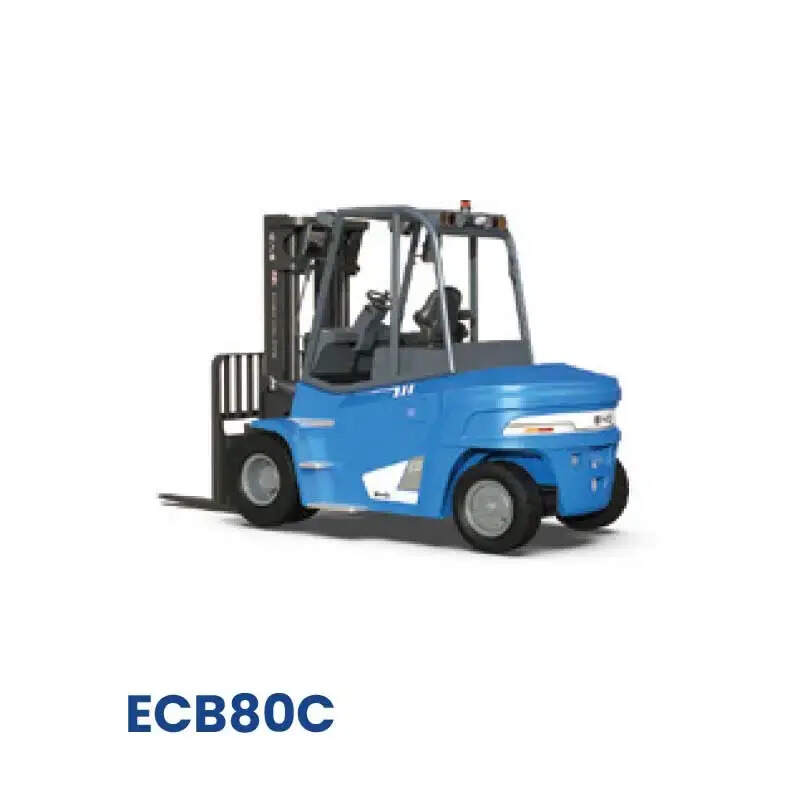
With the growing demand for low-carbon, high-efficiency logistics operations across global warehouse and industrial sectors, electric forklifts have gradually become the mainstream material handling solution for most indoor operation scenarios. This guide covers core practical knowledge for industry practitioners to better leverage the value of such equipment in daily workflows.
Core Advantages of Modern Electric Forklifts
Different from traditional internal combustion counterparts, electric forklifts operate with zero on-site exhaust emissions, which fits well with the environmental control requirements of enclosed indoor warehouses, food processing plants and pharmaceutical storage zones. Their overall operating noise level stays at a relatively low range, which effectively reduces noise interference to on-site staff and surrounding working areas. The energy consumption per unit operation is also relatively stable, helping operation teams make predictable budget arrangements for daily running costs.
Standardized Operation Guidelines for Daily Use
Before starting each shift, operators need to conduct a quick pre-operation inspection, covering the status of power supply systems, brake sensitivity, lifting chain tightness and the integrity of safety warning lights. During the operation process, operators should avoid overloading the equipment beyond its rated load capacity, and keep a safe distance from surrounding shelves, personnel and other operating facilities. When turning on narrow aisles, operators need to slow down in advance to avoid accidental scratching of goods or facility structures. Long time idling of the equipment without operation is not recommended, to avoid unnecessary power waste.
Routine Maintenance Tips to Extend Service Life
Regular cleaning of the dust and debris accumulated on the surface of the motor, operating panels and wheel parts is a basic daily maintenance step. For the power battery system, users should follow the official recommended charging rules, avoid deep discharge as much as possible, and place the equipment in a dry, ventilated area for charging to avoid potential safety risks. The lubrication of movable connection parts should be carried out on a regular basis according to the operation frequency, to reduce abnormal wear caused by long-term friction.
Application Scenario Adaptation Suggestions
For low-temperature working environments, relevant thermal insulation measures can be arranged for the power system to maintain stable operation performance. For heavy-load continuous operation scenarios, users can arrange reasonable shift rosters for equipment use to avoid long-time continuous operation that may cause extra load on core components.


