
 English
 简体中文
 Русский
 Français
 Português
 Español


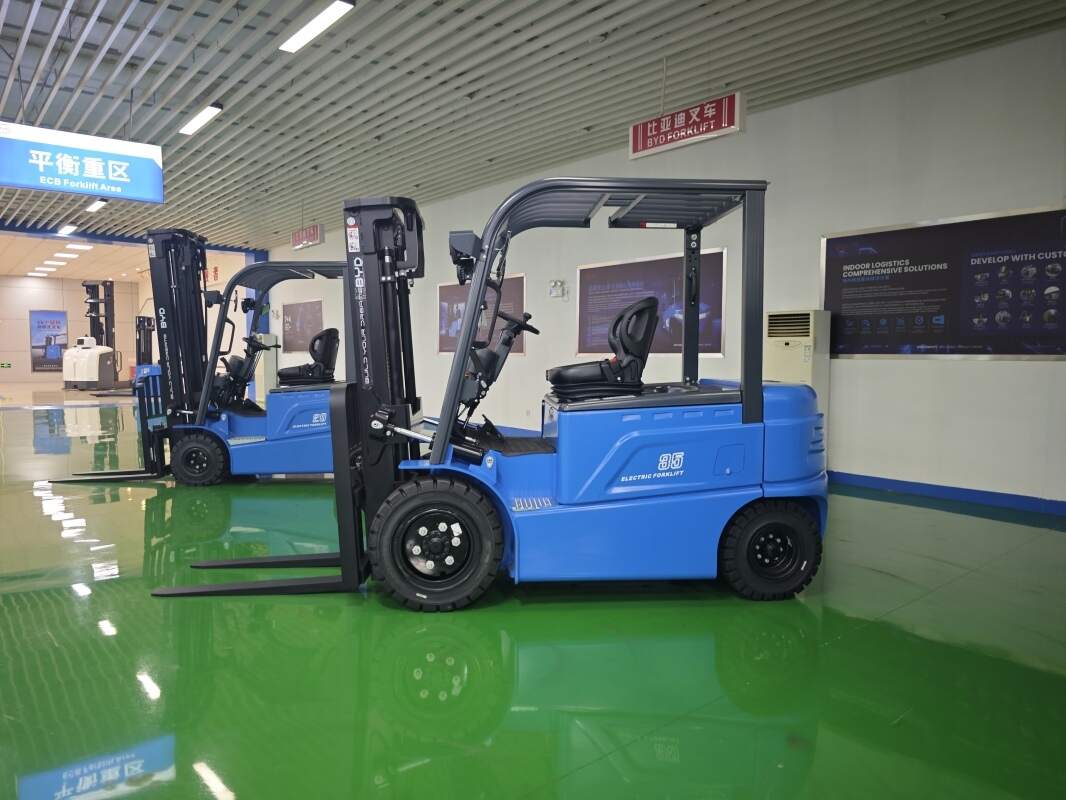
With the growing demand for low-carbon and efficient logistics operations in modern industrial scenarios, electric forklifts have become one of the most widely used material handling equipment in warehouses, manufacturing plants and distribution centers. Mastering the correct use and management methods of electric forklifts can help operators reduce unnecessary operation risks and improve overall work efficiency for frontline logistics teams.
Core Safety Specifications for Daily Operation
Before starting the equipment, operators need to complete full pre-check work, including confirming the remaining battery power, checking the flexibility of the brake system, steering mechanism and lifting parts, and ensuring that there is no obvious abnormal damage on the body surface. During the operation process, operators should control the driving speed according to the on-site environment, avoid sudden acceleration and sudden braking, keep a safe distance from surrounding personnel and other facilities, and do not carry loads beyond the rated load range marked on the equipment nameplate. When working in narrow passages, operators need to slow down and give proper voice or light reminder to surrounding personnel to avoid potential collision risks.
Scientific Daily Maintenance Strategies
Regular standardized maintenance work can effectively extend the service life of electric forklifts and reduce the frequency of unexpected failures. For the power battery part, operators should follow the official recommended charging specifications, avoid over-discharging and over-charging, and clean the dust and stains on the battery surface regularly to keep the heat dissipation state good. For the walking and lifting transmission parts, add appropriate amount of lubricating oil on a regular basis according to the actual use frequency, check the wear degree of tires and replace the worn parts in time if abnormal wear is found. It is also necessary to arrange regular professional inspection for the whole equipment every certain working cycle, to find hidden problems that are not easy to be noticed in daily use in time.
Efficient Application Skills in Different Scenarios
In the conventional flat warehouse handling scenario, operators can plan a reasonable driving route in combination with the distribution of goods and passage layout, reduce unnecessary turnaround time, and give full play to the low-noise and zero-emission advantages of electric forklifts. In the cold storage or closed working scene, electric forklifts can maintain relatively stable working performance, without generating exhaust gas that pollutes the stored goods, which can meet the special environmental protection requirements of such scenarios. Users can also adjust the parameter setting of the equipment appropriately according to their actual use needs, to further match the specific operation flow of the site.


