
 English
 简体中文
简体中文 Русский
 Français
 Português
 Español

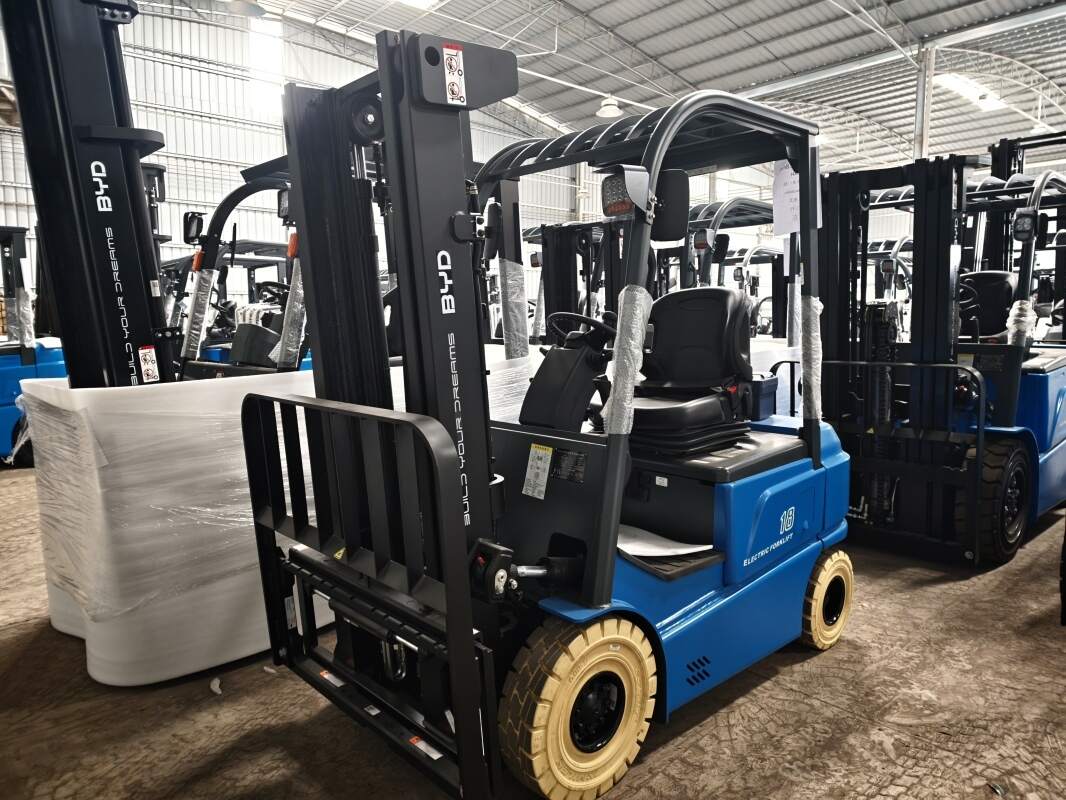
Electric pallet trucks are widely used in flat warehousing, cargo sorting, short-distance port turnover and other scenarios, and their dynamic stability performance is directly related to the safety of operators, cargos and on-site operation procedures. For a long time, most equipment practitioners judge dynamic stability only through static center of gravity height or rated load index, which often ignores the offset caused by the dynamic movement of working parts, and cannot fully reflect the actual running state of the equipment under complex working conditions. The radius of gyration parameter, as a professional index for inertial distribution characterization, provides a more systematic and accurate evaluation dimension for electric pallet truck dynamic stability testing.
The basic concept of radius of gyration comes from rigid body dynamics. For electric pallet trucks, this parameter refers to the equivalent radius that integrates the mass distribution of all components of the whole vehicle, including body frame, drive assembly, battery unit, load carrying part and the unbalance generated by different postures of moving parts. Different from the single static center of gravity parameter, the radius of gyration covers the mass inertia deviation generated in the process of equipment acceleration, deceleration, steering and passing through uneven road surfaces, which can reflect the overall inertial distribution state of the vehicle more comprehensively.
In the actual dynamic stability evaluation process, the radius of gyration parameter can correspond to the critical threshold of vehicle roll tendency under different working conditions. When the equipment runs with full load, if the cargo placement position deviates from the standard load center, the total mass distribution will change accordingly, and the radius of gyration value will rise, which means the safety threshold of dynamic steering and emergency braking will be reduced correspondingly. Operation and maintenance personnel can adjust the actual allowable driving speed, plan the minimum turning channel width, and formulate standardized cargo stacking rules according to the corresponding radius of gyration range under different load states, so as to effectively avoid stability-related hidden dangers.
Reasonable application of the radius of gyration parameter in daily equipment management can not only help relevant personnel complete dynamic stability assessment more scientifically, but also provide practical guidance for daily operation specification formulation, effectively reduce operation risks, and create more reliable conditions for the stable operation of warehousing handling links.


