
 English
 简体中文
简体中文 Русский
 Français
 Português
 Español

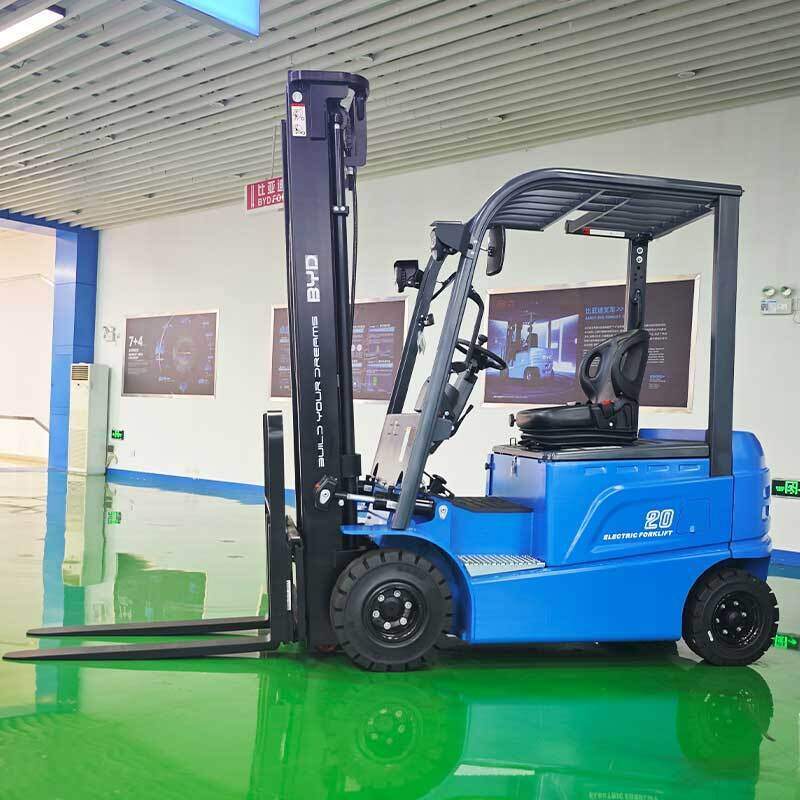
Pharmaceutical-grade warehouses have strict requirements for environmental cleanliness, operation traceability and safety compliance, which puts forward higher targeted standards for the selection and use of internal material handling equipment. Deploying electric material-handling trucks in such scenarios requires systematic practical planning to balance operation efficiency and industry regulatory requirements.
Before formal deployment, it is necessary to complete full-coverage scenario assessment first. Staff should sort out the cleanliness level division of different storage areas in advance, confirm the requirements for surface material, particle emission and moving parts of the electric trucks, to avoid situations such as coating peeling or debris falling off during operation that may affect the environmental qualification of the storage area. It is also necessary to measure the width of all operation channels, the weight bearing capacity of the working floor, and the turning space at the end of the passage, to select equipment with proper parameters that can match the existing warehouse layout without modifying a large number of existing facilities.
Next step is to complete the compliance adaptation work that fits pharmaceutical industry specifications. It is recommended to set up a fixed independent disinfection and cleaning area for the electric material-handling trucks outside the core high-cleanliness operation zone, and complete standardized surface disinfection for the vehicles each time before they enter the high-grade storage area. The operation data of the trucks, including driving path, operation time and handling material records, can be connected to the existing warehouse management traceability system, to realize full traceability of all handling activities, which can meet the audit requirements of relevant regulatory departments. The dedicated charging area should be arranged in the non-storage area that meets fire protection specifications, and set with obvious isolation marks to avoid potential safety risks to stored pharmaceutical materials.
Subsequent daily operation management also needs to make targeted adjustment according to the attributes of pharmaceutical warehouses. Relevant operation personnel should receive special pre-job training to clarify the speed limit rules in different areas, operation prohibition requirements in sensitive storage zones, to avoid fast driving or sudden braking that may raise excess dust. Regular routine maintenance of the equipment should be arranged, and all maintenance records should be properly filed for later check. Proper deployment and management of electric material-handling trucks can effectively reduce the emission of harmful substances in the warehouse, lower operation noise, and help the pharmaceutical warehouse to maintain stable compliance while improving the overall operation efficiency.


