
 English
 简体中文
简体中文 Русский
 Français
 Português
 Español

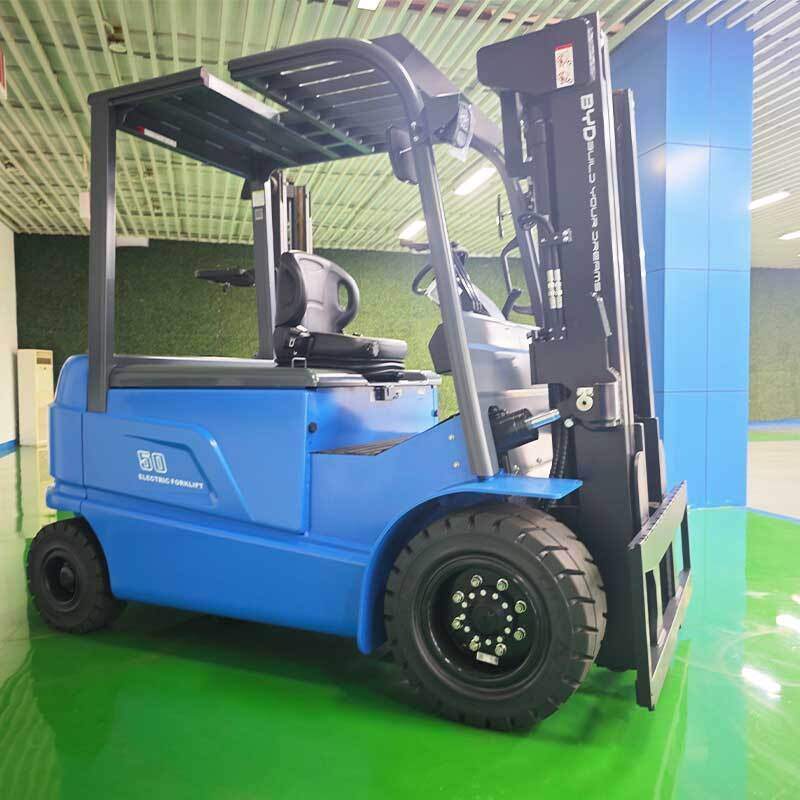
With the rapid development of low-carbon logistics and fine warehouse management, electric forklifts have become one of the most popular material handling equipment in various industrial scenarios. Compared with traditional internal combustion counterparts, they bring distinct operation experiences and reasonable cost control effects for different enterprise users.
Core Performance Characteristics of Modern Electric Forklifts
Different from fuel-powered handling equipment, electric forklifts rely on on-board battery packs to output power, producing almost no exhaust emissions during the whole operation process, so they can adapt to closed indoor warehouses, cold storage, food processing workshops and other scenarios with strict air quality requirements. The noise generated during normal operation is also significantly lower than that of internal combustion equipment, which can reduce long-term noise interference to staff in enclosed working space, and help improve the overall comfort of working environment. Most current mature electric forklift products adopt integrated electrical control systems, which can adjust power output status in real time according to actual load weight and operation speed, to keep the equipment running in a relatively energy-efficient state.
Key Points of Standardized Daily Operation
Operators need to receive corresponding pre-job skill training before officially using electric forklifts, to fully master the basic parameters of the equipment, including rated load weight, maximum lifting height, and allowed turning radius. Before each daily start-up, it is necessary to check the remaining power of the battery, the flexibility of the lifting hydraulic system, the sensitivity of the braking and steering system, and confirm that no foreign matter is stuck around the walking wheel body. During the operation process, operators should avoid sudden acceleration or sudden braking as much as possible, keep a safe distance from surrounding personnel and storage racks, and do not carry out over-height stacking or over-load handling operations beyond the specified parameters. When the equipment is not in use, it should be parked in the designated safe area, the lifting gantry should be lowered to the horizontal position, and the power supply should be cut off completely.
Routine Maintenance and Life Cycle Management
Daily maintenance of electric forklifts is mainly focused on the health management of the battery pack and electrical control components. For mainstream lithium battery packs, users should follow the specified charging process, avoid long-term over-discharge or full-power storage state for more than 72 hours, and regularly clean the dust and sundries on the surface of the battery shell and the heat dissipation gaps of the electrical control box. The wear degree of walking tires and the lubrication state of the rotating hinge parts of the lifting system should also be inspected on a regular weekly basis, to replace seriously worn parts in time and add lubricating grease to the hinge positions that are prone to friction. Scientific and standardized maintenance can effectively extend the stable service life of the equipment, reduce unexpected downtime in the peak operation period of the warehouse, and control the comprehensive use cost of the material handling link within a reasonable range.


