
 English
 简体中文
 Русский
 Français
 Português
 Español


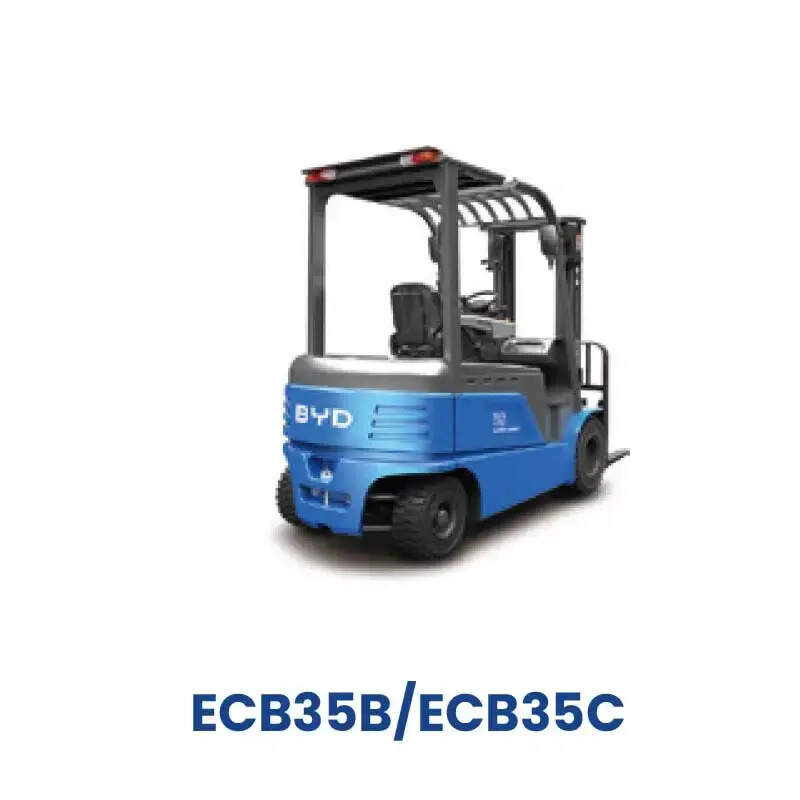
As one of the core equipment for modern industrial material handling, electric forklifts have been widely adopted in warehousing, manufacturing, port distribution and other scenarios for their relatively low noise level and zero local emission features. For frontline operators and equipment managers, mastering proper use rules and maintenance knowledge can fully release the equipment’s usage value without unnecessary extra cost.
Basic Operation Norms for Daily Use
Before starting each shift, operators need to conduct a simple pre-check covering the power level, braking system, steering flexibility and fork surface condition, to rule out hidden troubles caused by long-term static placement. During the operation process, operators should keep a proper observation distance from surrounding personnel and obstacles, avoid sudden acceleration or sharp turn when carrying loads, and do not overload the equipment beyond the rated load range stated in the product specification. It is also not recommended to operate the equipment on slopes with a gradient beyond the allowed parameter, to avoid potential slipping risk.
Routine Maintenance to Reduce Unnecessary Loss
Different from internal combustion forklifts, electric forklifts have power components that need regular inspection to keep stable performance. Users should clean the dust and sundries attached to the surface of core power components at fixed intervals, check the cable connection status to avoid poor contact caused by long-term vibration, and complete standardized charging according to the official operation instructions, to avoid improper charging behavior that affects the overall service life of the power unit. The wear degree of tires and braking pads also needs to be recorded and checked regularly, and replace the corresponding parts when the wear limit is reached, to keep the operation stability at a good level.
Scenario Adjustment to Adapt to Different Working Conditions
In enclosed narrow warehouse spaces, operators can properly adjust the equipment’s running speed to a lower level, to guarantee operation accuracy when picking and placing goods on high shelves. In low-temperature working environments, users can complete the preheating process of the power system before formal operation, to make the power output reach a relatively stable state. Reasonable adjustment of use habits according to actual scenarios can effectively reduce the extra consumption of core components, and bring more stable long-term use experience for regular operation teams.


