
 English
 简体中文
简体中文 Русский
 Français
 Português
 Español

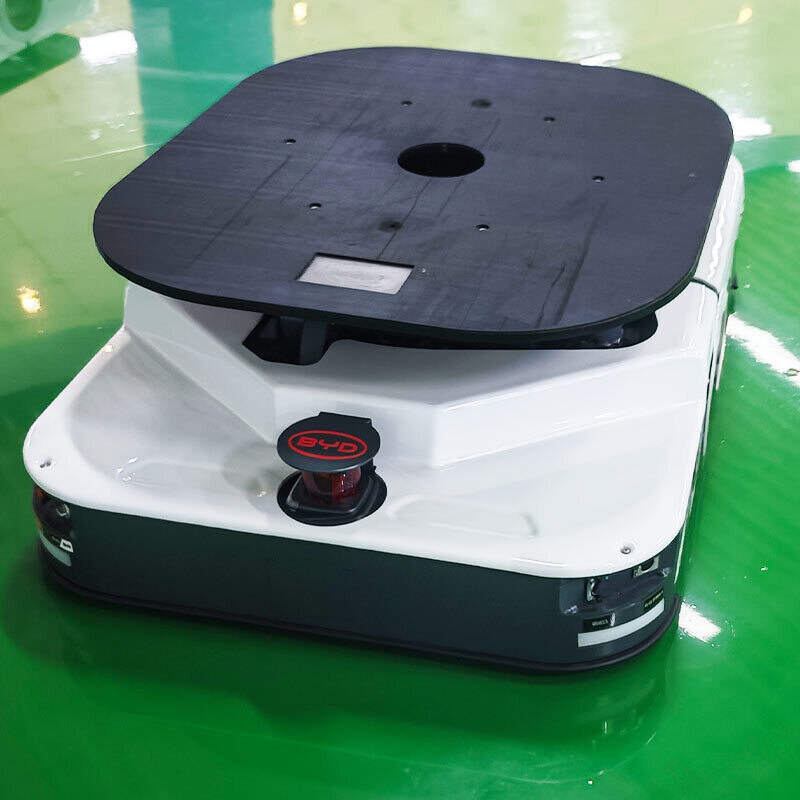
As the logistics and warehousing industry continuously pursues low-carbon operation and high cost-effectiveness, electric forklifts have become one of the most widely used material handling equipment in various industrial scenarios in recent years. Mastering systematic use rules and operation knowledge can help enterprises give full play to the advantages of such equipment and avoid unnecessary operation risks.
Core Pre-operation Inspection Specifications
Before starting any formal operation of the electric forklift, operators need to complete a series of standardized checks to eliminate hidden risks in advance. The first step is to confirm the remaining power status of the power system, and check whether the connecting parts of the battery pack have abnormal looseness or liquid leakage. Then operators need to test the flexibility of the steering system, the braking response sensitivity, and the normal lifting and descending function of the loading fork. It is also necessary to check whether the surrounding operation area has obstacles, sundries or irrelevant personnel that may affect the safety of driving, so as to make full preparation for subsequent formal operation.
Standard Daily Operation Points
In the process of formal operation, operators should strictly follow the rated load range requirements of the equipment, avoid long-time overload operation that may cause irreversible loss to the power system and mechanical structure. When the equipment is running on the ramp, keep the load end facing the upper direction of the ramp, and do not turn on the ramp to prevent the risk of sideslip. When stacking and taking goods, control the lifting and descending speed of the goods stably, avoid sudden acceleration or sudden braking, so as to prevent the goods from falling and causing safety accidents. After the daily operation is completed, the equipment should be parked in the designated special area, the fork should be lowered to the lowest position, and the power supply should be cut off completely.
Routine Maintenance and Performance Optimization Suggestions
Doing a good job in daily maintenance can effectively extend the service life of the electric forklift and reduce the long-term comprehensive operation cost of the enterprise. Operators should regularly clean the dust and sundries accumulated on the surface of the motor, the heat dissipation structure of the control system, and the gap of the moving parts, to avoid affecting the normal heat dissipation effect of the equipment. Regularly check the wear degree of the driving wheel and the brake pad, and replace the parts in time when the wear reaches the specified warning value. Under the ambient temperature that is too low or too high, carry out corresponding preheating or heat dissipation protection treatment for the power battery, which can maintain the stable output performance of the equipment for a long time.


