
 English
 简体中文
简体中文 Русский
 Français
 Português
 Español

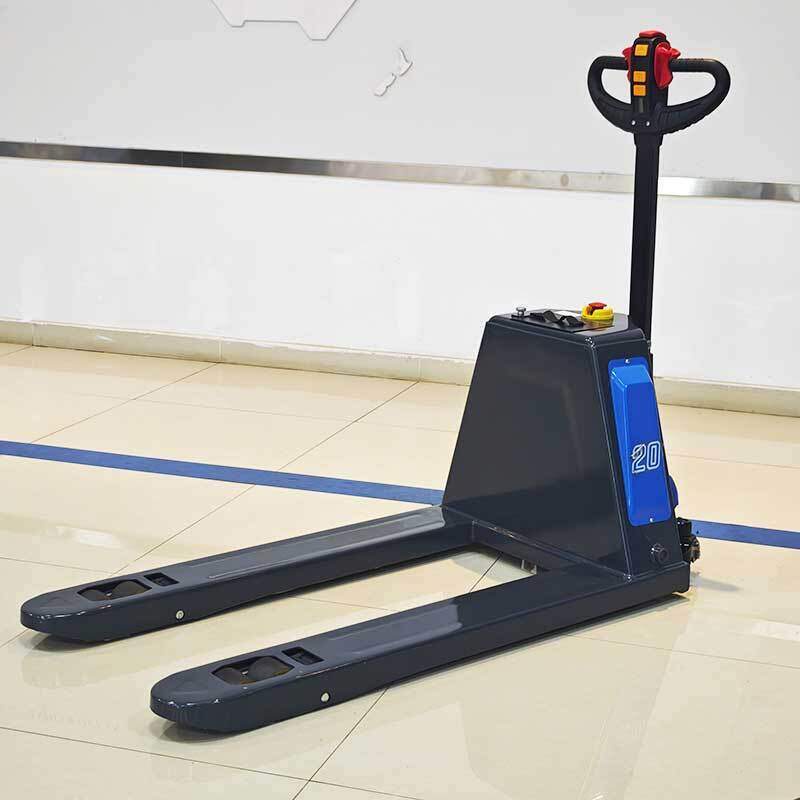
Against the background of growing demand for low-carbon and efficient industrial logistics, electric forklifts have become one of the most widely applied material handling equipment in warehouse, manufacturing and distribution scenarios. Mastering systematic use and management knowledge of this type of equipment helps practitioners maximize its inherent advantages while avoiding unnecessary operating risks.
Core Operation Norms for Daily Use
Before starting each shift, operators need to conduct a basic visual check on key components including the braking system, lifting mechanism, tire condition and power supply status, to confirm no obvious abnormality exists. During the operation process, it is necessary to strictly follow the load capacity limit specified by the equipment, avoid sudden acceleration or emergency braking when carrying goods, and keep a safe distance from surrounding personnel, shelves and obstacles. Operators should also avoid adjusting control parameters or disassembling core parts without obtaining corresponding operation qualification, to prevent unexpected operational failures.
Key Points of Routine Preventive Maintenance
Reasonable regular maintenance can effectively reduce the failure probability of electric forklifts in long-term operation. For the power system, it is necessary to follow the corresponding charging specifications, avoid deep discharge or long-term overcharging, and clean the surface of power contacts regularly to prevent poor contact caused by dust accumulation. For the walking and lifting transmission parts, regularly check the lubrication status of each rotating point, add appropriate amount of special lubricant according to the operation frequency, and replace the aged sealing parts in time if signs of oil leakage appear. The waste generated during maintenance should be disposed of in accordance with local environmental protection regulations.
Practical Tips for Performance Optimization
To get more stable operation experience, enterprise managers can arrange reasonable operation routes according to the actual layout of the operation site, reduce unnecessary repeated steering and long-distance no-load driving, so as to cut down extra power consumption. For different goods with different weight attributes, select the matching pallet and placement position to keep the center of gravity of the goods within the safe range of the fork arm, which can effectively reduce the extra load of the walking and motor system. Regularly collect operation data of equipment, formulate targeted adjustment schemes according to the actual operation habit of operators, can further improve the overall use efficiency of the whole equipment fleet.


