
 English
 简体中文
简体中文 Русский
 Français
 Português
 Español

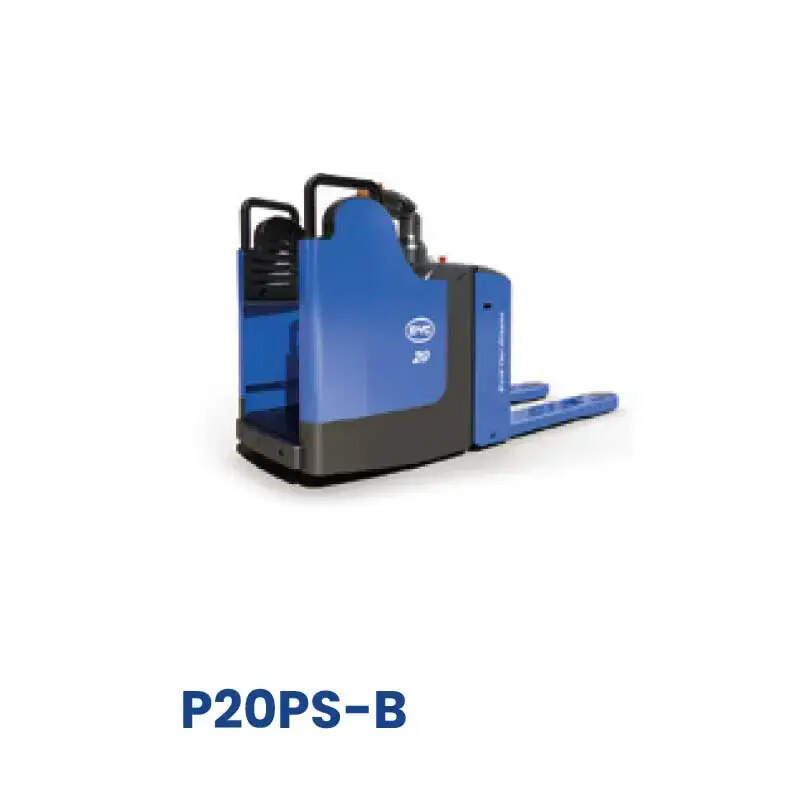
In recent years, electric forklift has become a common core material handling equipment in most industrial storage, manufacturing workshop and logistics distribution scenarios, with features of low noise, zero local emission and relatively low long-term operation cost. Many frontline operators and warehouse managers still lack systematic mastery of correct use and management rules, which may cause unnecessary equipment wear, potential safety risks and reduced operation efficiency.
Standard Daily Operation Rules for Electric Forklift
Before starting each shift of operation, operators need to complete basic pre-check work, including checking tire condition, brake sensitivity, power display and surrounding operation environment. Overload operation is not recommended, which may add extra pressure to the lifting system and walking structure. Operators need to slow down in advance when turning, passing narrow channels or approaching pedestrian activity areas, and send clear prompt signals to surrounding personnel. It is not allowed to carry extra people on the work platform or fork arm, and it is not appropriate to park the equipment on the slope for a long time. After the daily operation task is completed, the power supply should be turned off in time, and the equipment should be parked in the designated parking area to avoid blocking the normal passage of other logistics facilities. Untrained personnel are not allowed to operate the equipment without permission, and no modification to the original core parameters of the equipment is allowed without official guidance.
Reasonable Maintenance Strategies for Long-term Stable Performance
After each use, operators can clean up the dust and sundries accumulated on the surface of the equipment in time, especially the heat dissipation area of the power system, to avoid affecting the normal heat dissipation effect. It is necessary to check the connection parts of the power unit regularly, and complete the charging and discharging process in accordance with the operation specifications provided by the equipment manual. Long-term storage with insufficient power may affect the overall service life of the power assembly. The hydraulic pipelines and seals should be inspected regularly, and proper lubrication should be applied to all movable connection points according to the specified cycle. When replacing the worn vulnerable parts, it is recommended to select standard accessories that match the equipment parameters. Recording the daily operation state of the equipment regularly helps to find small hidden problems in time, so as to avoid higher maintenance cost caused by accumulated faults.
Scenario Adaptation Tips for Higher Operational Efficiency
Different working scenarios have different usage requirements for electric forklifts. In low temperature environment, it is suggested to adjust the charging ambient temperature to the suitable range specified in the manual, to maintain the normal performance of the power system. In high humidity working scene, waterproof protection of exposed circuit connectors can reduce the risk of short circuit. For high-density storage scenes with narrow channels, operators can adjust the corresponding steering mode to adapt to the small space operation demand. Reasonably planning the operation route of the equipment can reduce unnecessary empty driving mileage, and setting clear traffic rules in the multi-vehicle cooperative operation area can reduce the probability of equipment scratch and operation conflict. Mastering these practical application skills can help the management team give full play to the performance advantages of electric forklifts, balance operation cost and work efficiency, and obtain more stable long-term use effect.


