
 English
 简体中文
 Русский
 Français
 Português
 Español


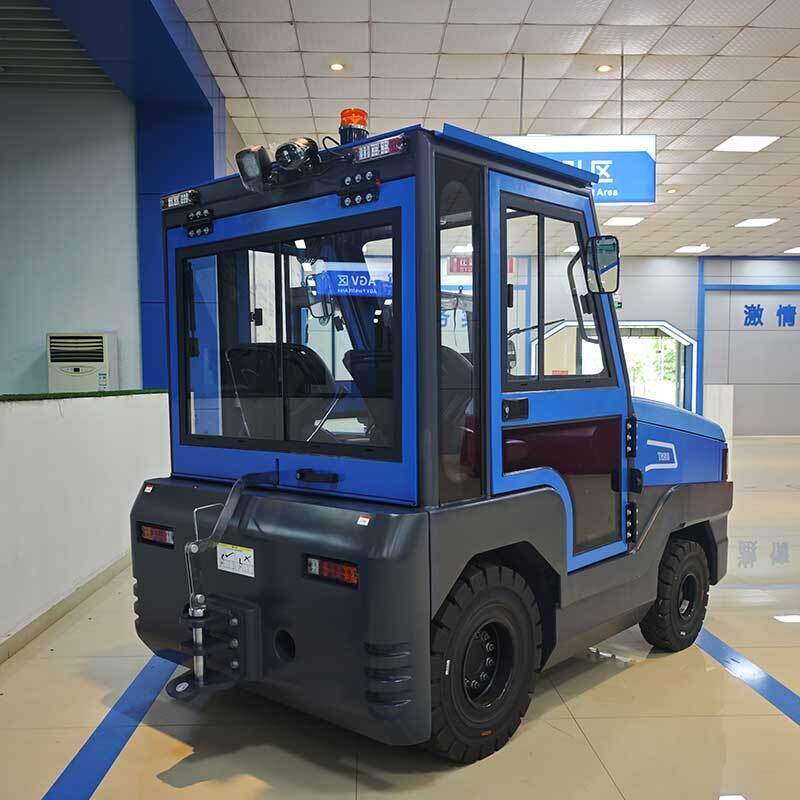
As one of the most widely used material handling equipment in modern logistics scenarios, electric forklifts have gained growing popularity across different industrial storage and distribution sectors in recent years. Mastering proper operation and management knowledge of such equipment helps operators reduce unnecessary loss and get more stable long term return on investment.
Core Performance Features of Electric Forklifts
Unlike traditional internal combustion powered counterparts, standard electric forklifts produce no exhaust emission on working sites, which makes them fully suitable for closed indoor storage spaces, food processing workshops and other scenarios with strict air quality requirements. The overall operation noise level of electric forklifts is kept at a relatively low range, which will not cause continuous noise interference to on-site staff working around, and the low vibration operation mode also effectively reduces the risk of damage to fragile transported goods during moving process. The overall energy consumption cost per working hour is relatively lower than that of fuel powered similar equipment, which brings more cost control space for long term continuous use.
Standard Daily Maintenance Specifications
Before each shift of operation, operators are suggested to check the remaining power level of the power pack, the flexibility of brake system, the smooth lifting status of fork components and the normal display of all warning indicators. After finishing daily work, operators should park the equipment in designated flat area, turn off all power supply, and avoid deep over-discharge of the power pack to extend its overall service cycle. Regularly cleaning dust and accumulated sundries on the surface of drive motor and heat dissipation structure can prevent abnormal operation caused by poor heat dissipation, and regular lubrication treatment of movable connection parts can reduce wear between metal components.
Efficiency Optimization Tips for Long Term Operation
Operators should select electric forklifts with matching rated load parameters according to the average weight of daily transported goods, and avoid long time frequent overloading operation which may cause extra loss to core components. It is also practical to plan and adjust the internal passage route of the warehouse properly, to reduce unnecessary detour and waiting time during material handling process. Providing regular standardized operation training for on site staff can effectively reduce misoperation risk, and further improve the overall safety level of daily material handling work.


