
 English
 简体中文
简体中文 Русский
 Français
 Português
 Español

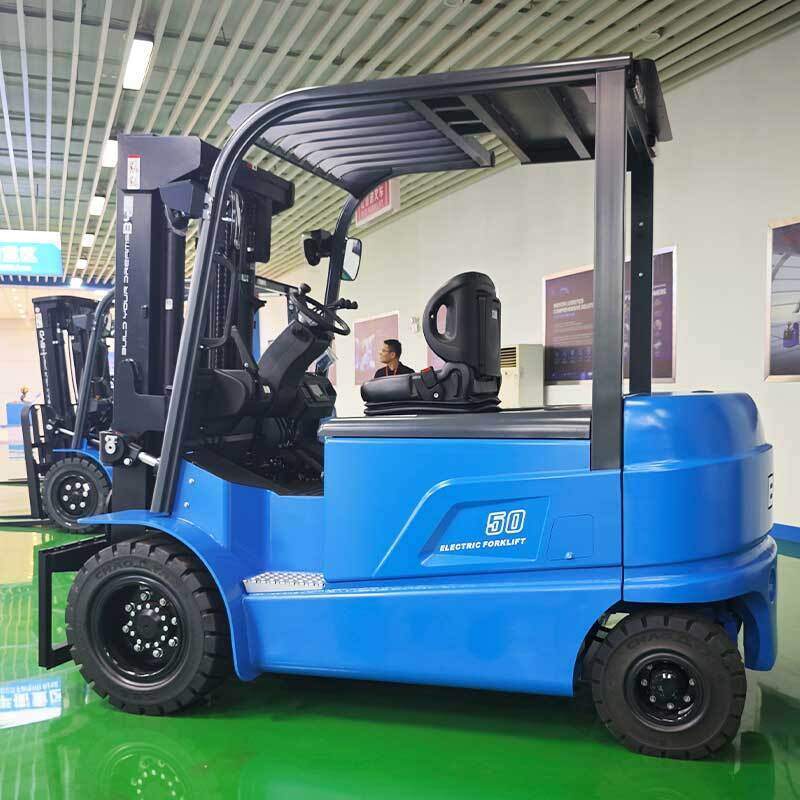
As the global warehousing and logistics sector keeps shifting toward low-carbon, high-efficiency operation modes, electric forklifts have become one of the most widely applied material handling equipment across multiple industrial scenarios. A large number of frontline operators and warehouse managers are searching for practical, evidence-based guidance to use the devices properly, avoid unnecessary operational risks, and cut long-term operating costs for the whole handling system.
Pre-operation Safety Verification Protocols
Before starting any working shift, operators need to finish a series of standardized checks to confirm the device stays in proper status. These checks include confirming the remaining battery power level, testing the flexibility of lifting and tilting mechanisms, verifying the normal function of brake systems, steering sensors and warning lights, as well as checking whether the fork surface has obvious deformation or wear that may influence loading stability. Operators should also clear the operation aisle of obstacles, confirm no unrelated personnel stay within the working range of the equipment, and adjust the seat and viewing angle to get a clear perspective of the surrounding environment.
Efficient Operation Skills for Common Scenarios
During daily material handling processes, operators should match the actual load weight with the rated load range of the device, avoid uneven cargo stacking that may lead to tipping risks, and keep the load at a relatively low height when traveling to reduce the center of gravity of the whole vehicle. In narrow warehouse aisles or ramp areas, operators should control the driving speed at a reasonable level, avoid sudden acceleration or emergency braking, and respond to surrounding dynamic situations in advance. For long-distance continuous transportation tasks, arranging reasonable shift breaks can prevent battery over-discharge and operator fatigue, which helps maintain stable operation efficiency throughout the whole working period.
Routine Maintenance Practices to Reduce Long-term Loss
Compared with traditional internal combustion handling equipment, electric forklifts have fewer wearing parts related to power output, but still require targeted regular maintenance work. Operators should wipe the surface of the equipment and clean the dust accumulated on the motor and heat dissipation components after each shift, check the battery connection points regularly to avoid poor contact caused by dust or liquid corrosion, and arrange professional personnel to complete the regular inspection of electrical components once every specified cycle. Proper daily maintenance habits can effectively reduce the frequency of unexpected failures, extend the overall service life of the equipment, and help enterprises control the total operating cost of the material handling system.


