
 English
 简体中文
简体中文 Русский
 Français
 Português
 Español

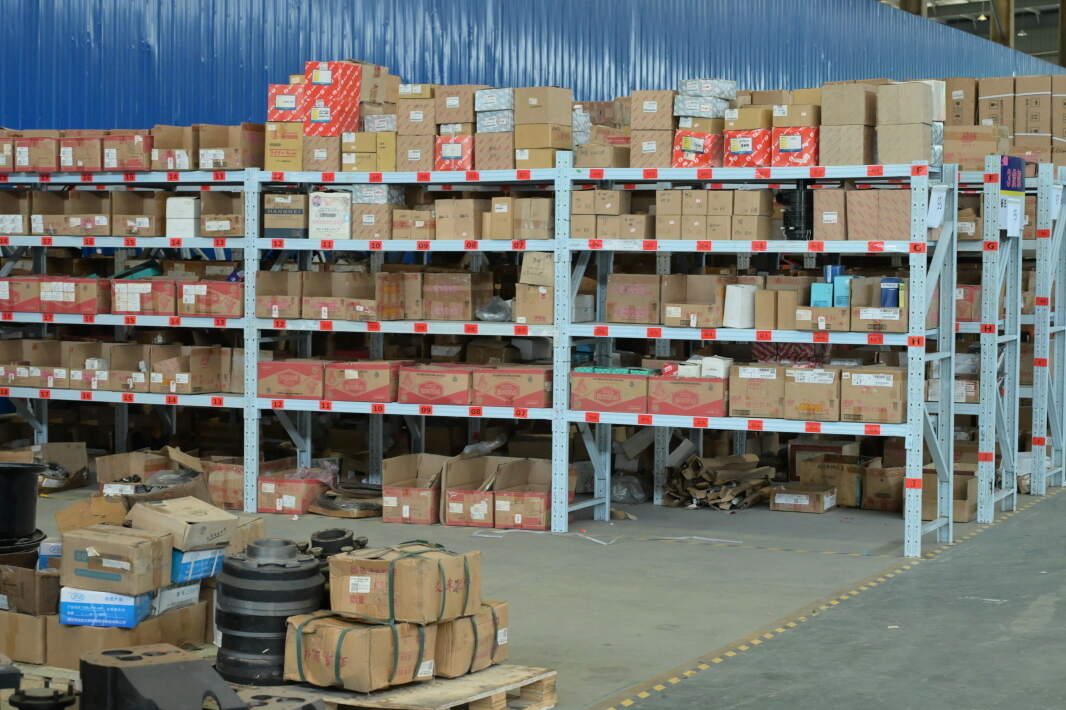
As a core piece of material handling equipment widely used in modern logistics, warehousing and manufacturing scenarios, electric forklifts have gained increasing popularity in recent years with the continuous development of low-carbon industrial trends. Mastering systematic professional knowledge of electric forklift use and management can help relevant practitioners give full play to the use value of equipment under various working conditions.
Core Functional Characteristics of Electric Forklifts
Unlike traditional fuel-powered handling equipment, most electric forklifts complete power output through driving motors supported by on-board battery packs, which will not generate exhaust emissions at the working site. The overall operating noise of the equipment is kept at a relatively low level, which is friendly for long-term indoor work in closed warehouses, cold storage and other enclosed spaces. The average daily operating cost of electric forklifts is lower than that of fuel-powered models under the same working load conditions, which fits the low-carbon transformation demands of most industrial scenarios.
Standard Operation Safety Specifications
Before starting each shift, operators need to complete routine pre-inspection work, including checking the remaining battery level, brake sensitivity, lifting chain tightness and surrounding working environment status. During operation, the actual load weight shall not exceed the rated load value marked on the equipment nameplate, and operators need to keep the driving speed at a safe level when passing through crowded working areas or uneven ground. It is not allowed to carry out steering operation on slopes, and people are forbidden to stand under the lifting forks during the whole working process.
Daily Maintenance Recommendations
Regular daily maintenance can effectively extend the stable service life of electric forklifts. Operators need to clean the dust and sundries on the surface of the motor and heat dissipation structure every week, check the electrolyte level of the battery pack within the specified range, and avoid long-term over-discharge of the battery during daily use. The equipment should be parked in a dry, ventilated and cool storage area when not in use for a long time, to avoid the aging of circuit components caused by long-term exposure to extreme high or low temperature environment.
Energy Efficiency Optimization Methods
For scenarios that require long-hour continuous operation, reasonable route planning can reduce unnecessary no-load driving distances, which can effectively reduce the overall energy consumption per working shift. When the equipment is in short-term idle state, operators can turn off unnecessary auxiliary power modules to reduce extra power consumption, so as to make full use of the battery power to support longer continuous operation time.


