
 English
 简体中文
简体中文 Русский
 Français
 Português
 Español

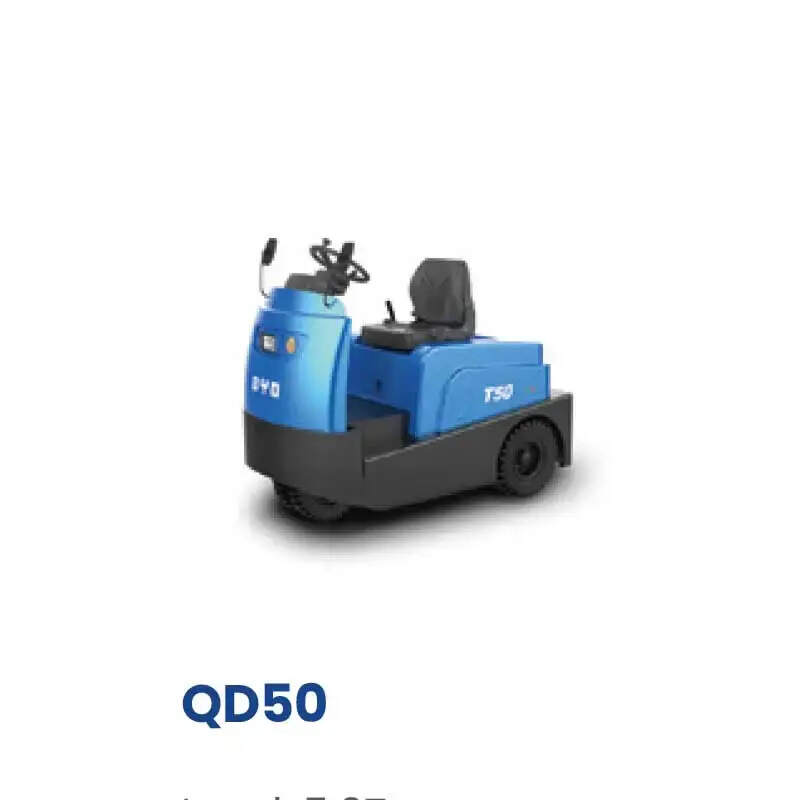
As the application scenario of low-carbon material handling expands rapidly in recent years, electric forklift has become one of the most widely used industrial handling equipment in indoor warehouse, factory distribution and other closed operating scenarios. Mastering correct application and management rules can help relevant personnel give full play to the performance of such equipment, reduce unnecessary wear, and create more stable value for daily production and operation.
Core Pre-operation Inspection Protocols
Before each formal use, operators need to complete a series of standardized pre-check work within a few minutes. The inspection scope covers the status of power supply components, the flexibility of lifting and steering structures, the sensitivity of safety protection sensors, and the cleanliness of tire surfaces. Any abnormal signs found in the inspection process shall be recorded in time, and the equipment shall not be put into operation before hidden dangers are eliminated. This step can effectively avoid most unexpected failures in the operation process, and reduce the safety risks caused by unnoticeable minor damages.
Standardized Operation Practices to Reduce Component Wear
In the process of daily operation, operators need to follow the operation specifications of the equipment, do not use excessive force to steer or lift goods beyond the rated load range. It is also not recommended to carry out long time idling operation for no reason, or drive at excessive speed on uneven ground in the operating area. Gentle and standardized operation habits can reduce the wear degree of transmission components, walking motors and hydraulic structures, and avoid frequent fault repair caused by human improper operation.
Energy Efficiency Optimization Strategies for Long Term Use
Reasonable energy management is an important part of electric forklift application management. Personnel can arrange the operation schedule according to the actual power remaining, and arrange the charging process in the non-working peak period as far as possible, to avoid the situation of sudden power failure in the middle of heavy handling tasks. Proper charging operation in line with the specification can also maintain the health state of the power system, reduce the attenuation speed of the energy storage unit, and keep the equipment in good energy output state for a long time.
Routine Maintenance Points for Extended Service Life
Regularly carry out professional maintenance according to the specified cycle, clean the dust and sundries accumulated in the heat dissipation parts, check the tightness of each connecting component, and supplement the lubricating oil for the movable structure on schedule. These low-cost maintenance work can effectively extend the overall service life of the equipment, reduce the comprehensive operation cost of the material handling link, and bring more stable support for the daily logistics operation of the site.


