
 English
 简体中文
 Русский
 Français
 Português
 Español


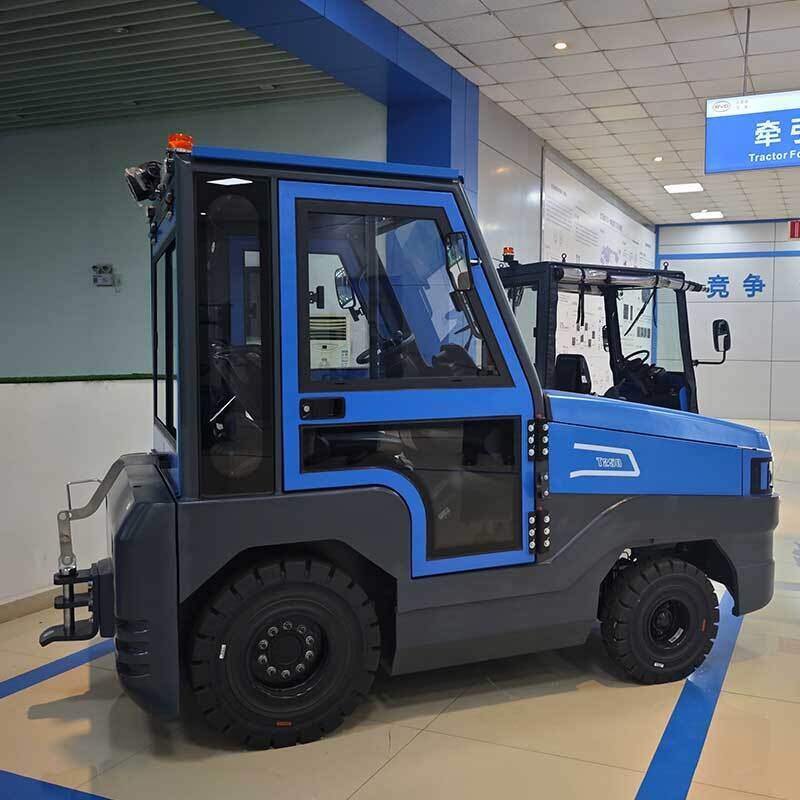
With the continuous promotion of low-carbon logistics concepts, electric forklifts have been widely applied in indoor warehouses, manufacturing workshops, cold storage and other scenarios for material handling tasks. Compared with internal combustion counterparts, they produce no exhaust emission, run with lower noise, and have lower long-term operation cost for most small and medium-sized operation scenarios. Mastering standardized use and management knowledge can help operators give full play to the performance of the equipment and avoid unnecessary unexpected downtime.
Core Standard Operation Specifications for Daily Use
Before starting each shift, operators need to complete a basic pre-check on the equipment, including checking the remaining battery level, brake sensitivity, lifting structure flexibility, and the integrity of safety warning lights. It is not allowed to operate the equipment beyond the rated load, and the running speed should be adjusted according to the ground condition and surrounding pedestrian density. When the cargo on the forks is lifted to a high position, operators should not move the equipment at an excessive speed, and no personnel are allowed to stand directly under the lifting gantry to avoid safety risks. All operators need to receive corresponding pre-job training to get familiar with the basic performance parameters of the equipment before formal operation.
Routine Maintenance Tips for Longer Service Life
For the power battery system of electric forklifts, operators should avoid full discharge as much as possible, and complete the charging process in a well-ventilated, dry and cool environment, do not expose the charging port to rain or heavy dust. Operators should clean the dust and cargo residue on the surface of the equipment and hydraulic components after each shift, check the liquid level of hydraulic oil and the tightness of various fasteners every two weeks. If the equipment needs to be idle for more than two weeks, supplementary charging should be carried out at regular intervals to avoid permanent capacity loss of the battery caused by long-term power deficit.
Scenario Matching Suggestions for Better Performance
For different operation scenarios, users can adjust the configuration and use mode of the equipment appropriately to get better use experience. For narrow aisle warehousing scenarios, choosing equipment with appropriate body width can effectively improve the space utilization rate of the warehouse. For low temperature operation scenarios, proper thermal insulation measures for the battery pack can reduce the attenuation of battery output performance, and keep the normal working duration at a reasonable level. Following the above reasonable use and management rules can effectively reduce the failure rate of the equipment, lower the comprehensive operation cost in the whole life cycle, and help the material handling system run more stably and efficiently.


