
 English
 简体中文
 Русский
 Français
 Português
 Español


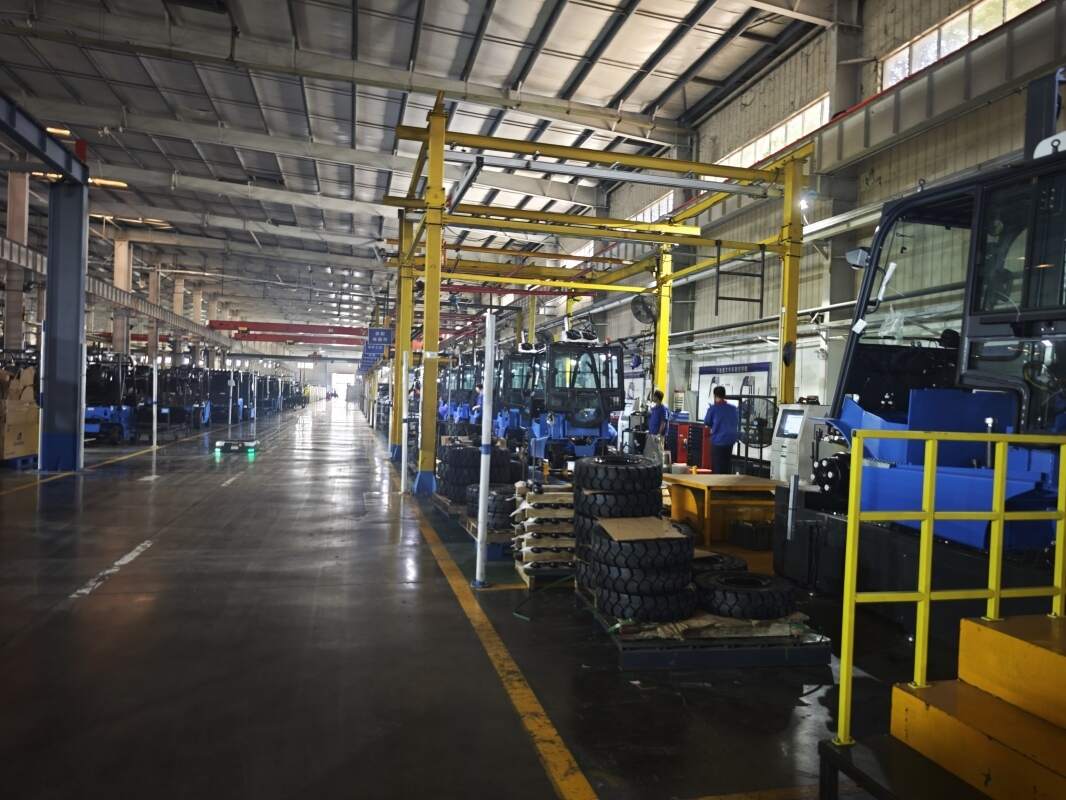
As professional technical popularization content from the electric forklift industry, this article sorts out verifiable practical knowledge points for warehouse operation teams, to help relevant personnel master correct usage logic and avoid common misoperation risks in daily scenarios.
Core Advantages of Electric Forklifts in Material Handling Scenarios
Different from internal combustion powered handling equipment, electric forklifts produce no exhaust emission during operation, which can meet the environmental access requirements of enclosed warehouses, food and pharmaceutical storage areas and other scenarios with strict air quality standards. The overall operation noise is kept at a relatively low level, which will not cause continuous noise interference to on-site staff who work for a long time. The vibration generated by the power system during operation is small, which can effectively reduce the risk of collision and damage to precision electronic parts, fragile goods and high-value inventory in the handling process. The overall energy consumption cost in long-term use is relatively easy to control, and there is no need to apply for special storage qualification for fossil fuel in the warehouse area.
Standard Operation Specifications for Daily Use
Operation personnel need to receive targeted pre-job training before officially taking up the post, and complete full item inspection of vehicle status before each start-up, including checking the remaining battery level, brake sensitivity, lifting chain tightness and the flexibility of steering system. It is not allowed to carry overload goods beyond the rated load during operation. When driving on the ramp of the warehouse area, keep a stable low speed, avoid sharp steering or sudden braking, and keep sufficient safety distance with surrounding shelves, staff and passing obstacles in the narrow channel. For long distance transfer across different warehouse areas, avoid continuous high-speed driving to reduce extra loss of power consumption and vehicle components.
Routine Maintenance Suggestions for Long-term Stable Use
Operators can regularly clean the dust accumulated on the surface of the body and the heat dissipation outlet of the motor, to avoid the problem of poor heat dissipation caused by long-term dust accumulation. Follow the formal specification to complete the charging and discharging operation of the power battery, and do not keep the battery in full charge or deep power loss state for a long time when the vehicle is idle. Regularly check the sealing performance of the hydraulic system, and deal with minor oil seepage problems in time to avoid affecting the stability of the goods lifting and lowering process. When the vehicle is not in use, park it in a specified ventilated and dry area, pull up the hand brake, and lower the fork to a safe height close to the ground. Scientific application and maintenance of electric forklifts can effectively help the warehouse operation system improve the overall turnover efficiency of materials, fit the development trend of low-carbon logistics, and create more stable value for the daily operation of the storage system.


