
 English
 简体中文
 Русский
 Français
 Português
 Español


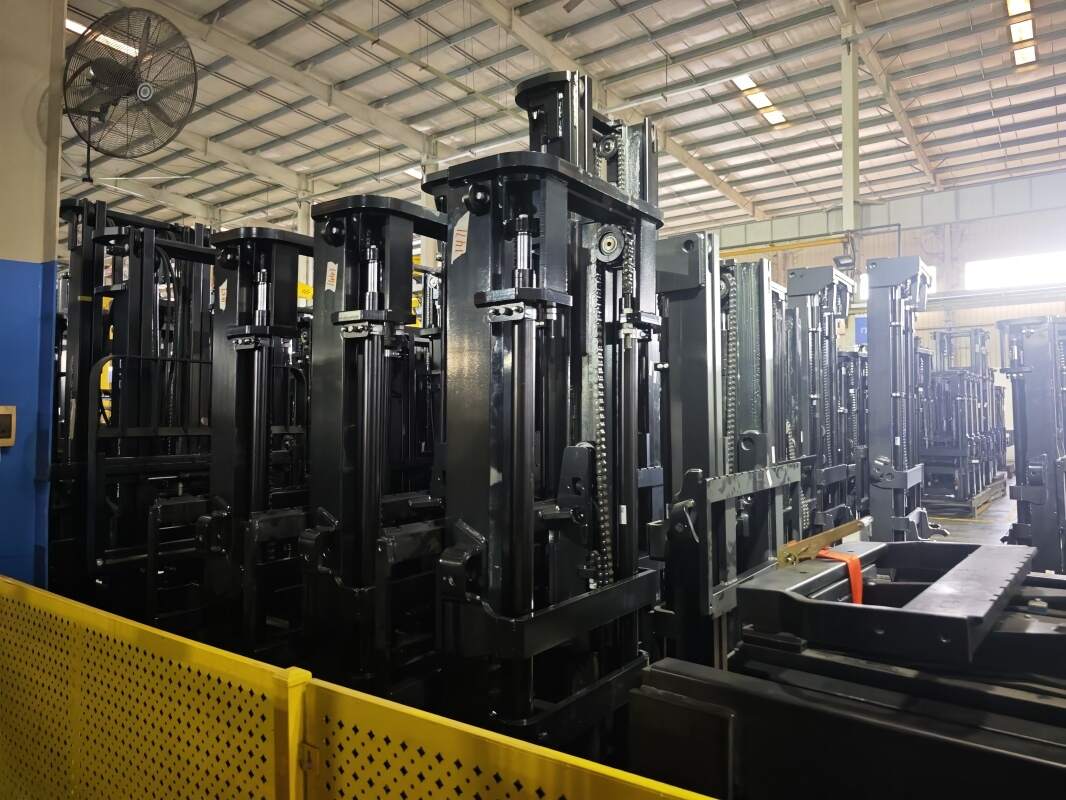
Electric forklifts have become one of the most widely applied material handling equipment in modern logistics and manufacturing sectors, with advantages of low noise, zero local emission and relatively low long-term operation cost compared with internal combustion counterparts, which fits the low-carbon development trend of current industrial scenarios.
Core Performance Characteristics of Modern Electric Forklifts
Most mainstream electric forklifts on the market at present adopt energy storage modules with high energy density, which can support continuous working hours covering most single-shift operation demands. The power transmission system is designed with high response sensitivity, which can output stable torque even at low moving speed, ensuring smooth handling of heavy loads within rated capacity. The whole vehicle is also equipped with multiple safety protection modules, which can trigger alarm or automatic power off under abnormal conditions such as overload, overheating and low remaining power, reducing potential operation risks to a large extent.
Standard Operation Norms for Daily Use
Before starting the equipment, operators need to complete full inspection of components including braking system, lifting mechanism and tire condition, confirm no hidden risk before formal operation. During the operation process, operators need to keep the load within the rated load range, avoid sharp steering or sudden braking when carrying heavy goods, and keep a safe distance from surrounding staff and obstacles in the working area. After finishing daily operation, operators need to park the equipment in the designated area, lower the lifting frame to the lowest position, and cut off the main power supply properly.
Practical Daily Maintenance Points
Routine maintenance work does not require too many professional tools, most of which can be completed by on-site management personnel. Users need to regularly clean the dust and sundries attached to the surface of energy storage module and power assembly, check the connection state of each wiring harness regularly to avoid poor contact caused by long-term vibration. It is also necessary to arrange regular professional inspection of the electrical control system, replace the worn brake pads and hydraulic oil on schedule according to the actual use frequency, so as to extend the whole service life of the equipment.
Application Efficiency Optimization Tips
For different working scenarios, users can adjust the operation parameters of electric forklift appropriately according to the actual demand, for example, properly reduce the moving speed when working in narrow aisle space, to avoid collision with surrounding shelves. Reasonable scheduling of equipment use sequence can also avoid concentrated high-intensity operation in a short time, which can effectively reduce the loss of core components and obtain better use experience.


