
 English
 简体中文
 Русский
 Français
 Português
 Español


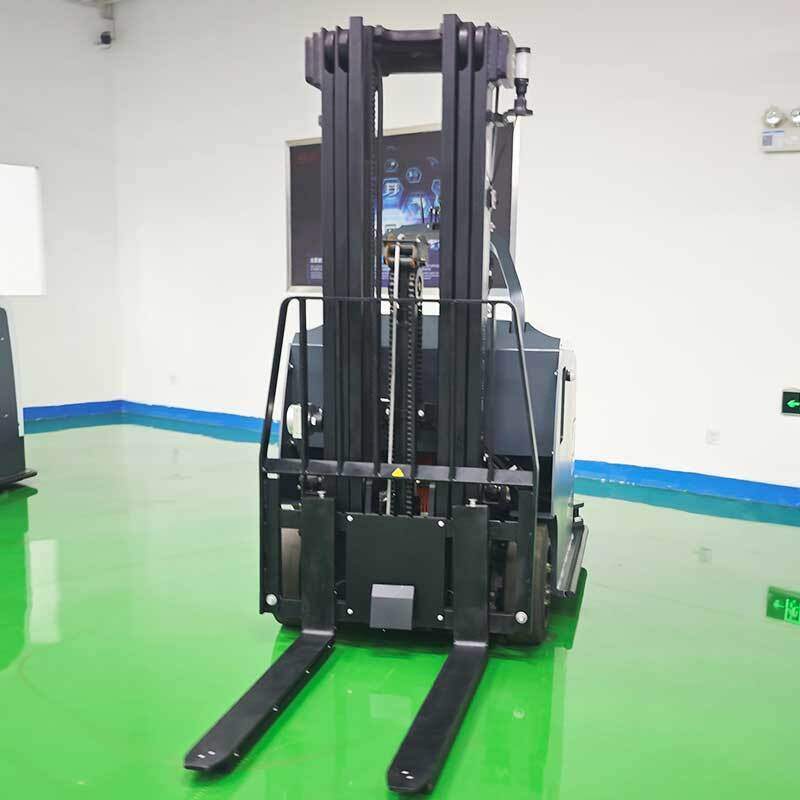
Electric forklifts have become one of the most widely used material handling equipment in modern industrial scenarios, bringing notable operation convenience for warehouse storage, factory internal transportation and cargo sorting work. This guide sorts out core practical knowledge for relevant practitioners to reference and use in daily work.
Core Functional Advantages of Modern Electric Forklifts
Different from traditional internal combustion handling equipment, electric forklifts generate no local exhaust emission during operation, and produce far lower running noise, which makes them suitable for enclosed indoor spaces, food processing workshops, pharmaceutical storage areas and other scenarios with strict requirements for environmental cleanliness. Their overall energy consumption cost per unit running time is relatively controllable, which can help teams reduce long-term operation expenditure under reasonable use habits.
Standardized Daily Operation Specifications
Before each start-up, operators need to check the braking sensitivity, remaining battery capacity, fastening state of lifting structure parts and flexibility of steering system, to confirm no hidden risk exists before formal use. Operators should not exceed the rated load capacity during operation, keep low driving speed on ramp areas, never allow staff to stand under the lifted forks, and give proper prompt sound when turning at blind areas to avoid collision with passing personnel. In narrow channel scenarios, operators should adjust driving route in advance to reserve enough safe distance between the forklift and surrounding shelves.
Scientific Daily Maintenance Suggestions
After each use, operators need to clean up the sundries attached to the vehicle surface and fork part, wipe off the accumulated water on the shell to avoid corrosion of internal circuit components. Maintenance personnel should check the contact state of battery electrodes, sealing performance of hydraulic oil pipeline, and wear degree of solid tires on a regular basis. When the remaining battery power drops to around 20%, users should arrange proper charging in time, and avoid long-term deep discharge that may negatively affect the overall service life of the battery pack. When the equipment is idle for a long time, it should be parked in a dry and ventilated designated area.
Scenario Adaptation Optimization Tips
In low temperature working environments below zero degrees Celsius, users can take proper heat preservation measures for the battery compartment to keep the output performance of the power system stable. For teams that do not use electric forklifts for more than 15 consecutive days, they are suggested to perform supplementary charging every two weeks to maintain the overall activity of the battery cells. Regular operation skill training for frontline operators can effectively reduce misoperation behaviors, lower unnecessary component wear, and create safer working conditions for the whole material handling process.


