
 English
 简体中文
 Русский
 Français
 Português
 Español


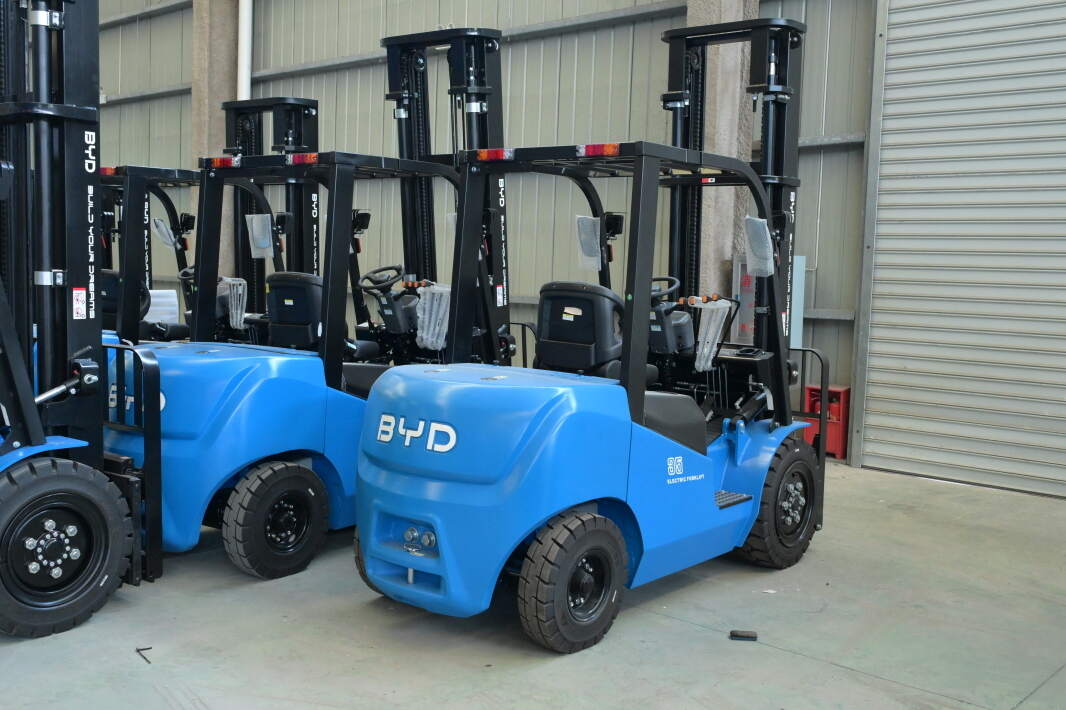
As the global industrial logistics sector continuously promotes low-carbon transformation and efficient operation upgrading, electric forklifts have become the mainstream material handling equipment in most closed production workshops, standardized warehouses and distribution hubs. This guide sorts out verified professional industry knowledge for frontline operators, logistics managers and related practitioners, to help them master core operation points and fully release the use value of equipment.
Core Performance Advantages of Electric Forklifts
Compared with traditional fuel-powered handling equipment, modern electric forklifts produce no local exhaust emission during operation, which can effectively reduce air pollution inside closed working scenes and create a healthier working environment for on-site staff. The whole operation process has lower noise level and less vibration, which can reduce the work fatigue of operators after long-time continuous working. In terms of long-term use cost, the energy consumption cost of electric forklifts per unit working hour is at a relatively reasonable level, which can meet the low-carbon operation requirements of most industrial scenarios.
Standardized Daily Maintenance Guidelines
Doing a good job in daily standardized maintenance can effectively extend the service life of electric forklifts and reduce unexpected equipment failure rate. Before each operation, operators need to check the remaining battery power, the sensitivity of the braking system, the sealing performance of the lifting hydraulic parts, and confirm that there is no foreign matter stuck in the walking wheel structure. During the daily use process, operators should avoid full discharge of the battery as much as possible, and arrange the charging work in time in a dry and ventilated special charging area. It is also necessary to regularly clean the dust and accumulated sundries near the motor heat dissipation opening, to avoid the problem of poor heat dissipation affecting the continuous operation performance.
Reasonable Scenario Adaptation Principles
Different working scenarios need to match electric forklifts with corresponding parameter configurations to achieve better use effect. For narrow channel scenes with limited operation space, operators can choose models with smaller turning radius to improve the space utilization rate of the whole warehouse. For high-frequency heavy-load handling scenarios, it is recommended to prioritize configurations with more stable battery cycle performance to meet the all-day continuous operation demand. All operators need to receive systematic pre-job operation training, strictly abide by the safety operation specifications, and reasonably plan the handling route to further improve the overall logistics turnover efficiency.


