
 English
 简体中文
 Русский
 Français
 Português
 Español


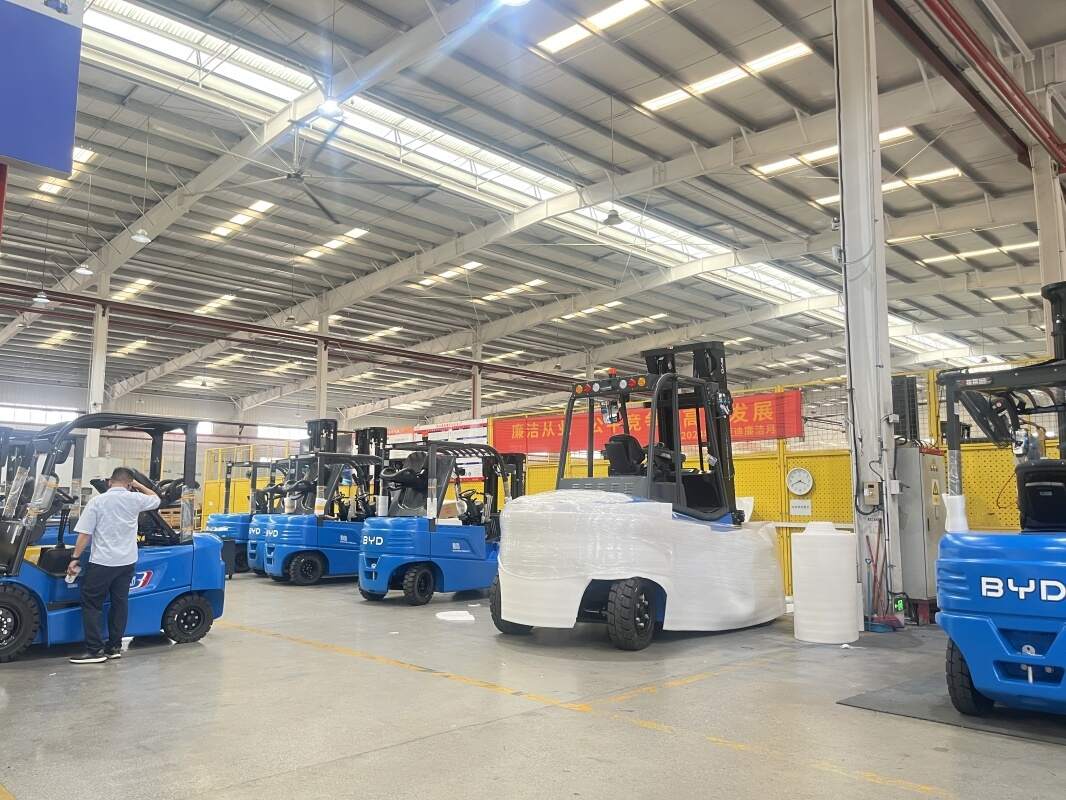
As the global logistics and warehousing sector gradually shifts to low-carbon, low-noise operation modes, electric forklifts have become one of the most popular material handling equipment applied in various industrial scenarios. Many frontline operators and warehouse managers still lack systematic, practical guidance to maximize the use value of such equipment properly in daily work.
Core Functional Advantages of Modern Electric Forklifts
Different from traditional internal combustion counterparts, mainstream electric forklifts are powered by on-board energy storage battery packs, producing zero local exhaust emission during the whole operation process. This feature makes them well adapted to enclosed indoor warehouses, food processing workshops and other scenarios that have strict requirements for ambient air quality. Their overall operation noise is far lower than fuel-powered models, which can effectively reduce long-term noise interference for on-site staff working consecutive hours, and help build a more comfortable working environment. The electric drive system also has fewer easily worn mechanical parts than traditional fuel power structures, which naturally cuts down potential failure points in long-term continuous use.
Standard Operation Specifications for Daily Use
Before starting each work shift, operators need to complete a quick pre-use inspection, including checking the remaining battery level, the flexibility of lifting and tilting mechanisms, the sensitivity of brake systems, and the normal working state of all warning lights. During the operation process, operators need to avoid overloading the equipment beyond the marked rated load capacity, and keep a stable low driving speed when turning or passing narrow aisles in the warehouse. It is not recommended to carry out long-time continuous high-intensity operation under extreme low or high ambient temperature, which may cause extra burden to the battery pack and the drive motor.
Practical Maintenance Practices to Extend Equipment Service Life
After each shift is completed, operators need to park the equipment in the designated fixed area, turn off the main power supply completely, and clean up the dust and debris attached to the body surface and the wheel parts. Regularly check the connection points of the battery pack, keep the surface of the battery dry and clean, and complete the charging process in accordance with official specified procedures to avoid improper operation that affects the overall cycle life of the battery. For the lubrication points of the transmission and lifting mechanism, arrange regular lubrication refilling according to actual operation frequency, to reduce the friction wear of mechanical parts during mutual movement. Following these reasonable operation and maintenance rules can help enterprises obtain more stable performance from electric forklifts, reduce unnecessary unexpected downtime, and improve the overall efficiency of warehouse material handling work.


