
 English
 简体中文
简体中文 Русский
 Français
 Português
 Español

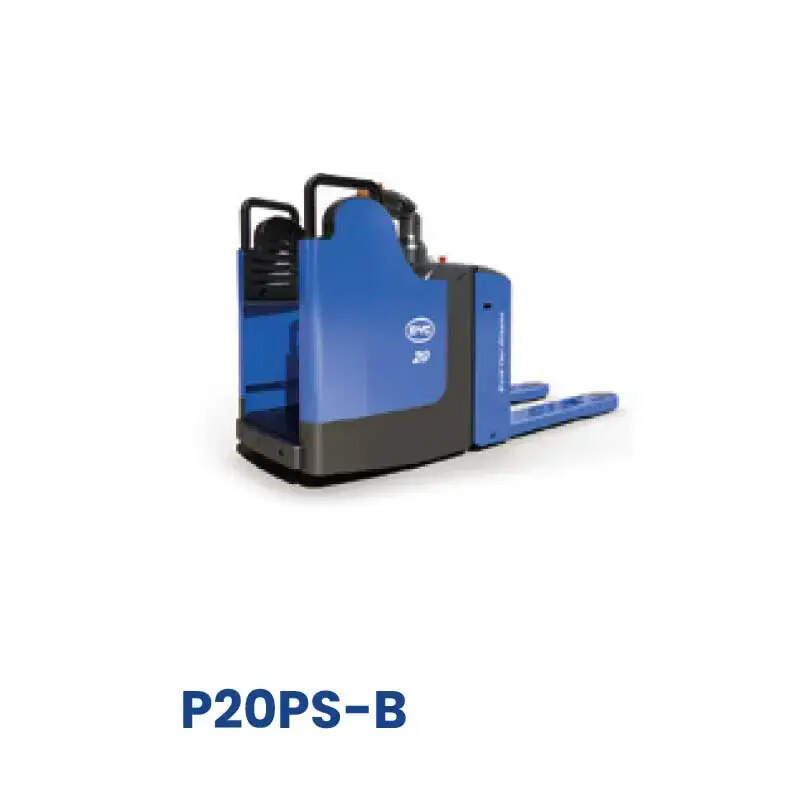
Against the background of growing demand for low-carbon and high-efficiency industrial logistics, electric forklifts have gradually become a commonly used material handling tool in closed working scenarios such as warehouses, manufacturing workshops and distribution centers. Different from internal combustion forklifts, electric forklifts rely on power battery systems to provide driving and lifting power, with unique characteristics in operation logic, performance attenuation rules and usage scenarios.
Core Scenario Adaptation Features of Electric Forklifts
Most standard electric forklift models are suitable for flat, well-paved working environments with no special requirements for high-power long-time continuous operation. They produce almost no exhaust emissions during operation, and the average noise level is far lower than that of traditional internal combustion power equipment, which can effectively reduce the interference to staff working in the same closed space for a long time. For scenarios with strict requirements for indoor environmental quality, electric forklifts can well meet the basic needs of daily material handling, stacking and short-distance transfer.
Daily Operation Optimization Suggestions
Operators need to receive systematic pre-job training before formally driving electric forklifts, and be familiar with the response logic of the equipment’s acceleration, steering and braking systems. It is not recommended to operate the equipment with overload for a long time, and the load weight should be controlled within the rated range specified in the equipment manual according to the actual working conditions. When the equipment is running on ramps, the operator should keep the body of the forklift facing the uphill direction, and avoid turning on the slope to reduce the risk of sideslip. When the remaining power of the battery drops to the pre-set warning level, the operator should arrange to replace or charge the battery in time, to avoid the situation that the equipment automatically cuts off power during the high-load operation process.
Routine Non-destructive Maintenance Points
Daily maintenance of electric forklifts does not require overly complex professional operations, and front-line managers can arrange special personnel to complete regular inspections according to the established cycle. The inspection scope covers the wear degree of tires, the flexibility of the lifting hydraulic system, the tightness of the connecting lines of the power system, and the surface cleanliness of the battery pack. Avoid using high-pressure water guns to directly wash the interior of the electric control compartment during the cleaning process, so as to prevent the residual moisture from causing short circuit of the circuit components. Regularly record the daily operation data of the equipment, and arrange for professional personnel to conduct targeted troubleshooting when abnormal noise or response lag is found, which can effectively reduce the probability of sudden equipment failure and extend the overall service cycle of the equipment.


