
 English
 简体中文
 Русский
 Français
 Português
 Español


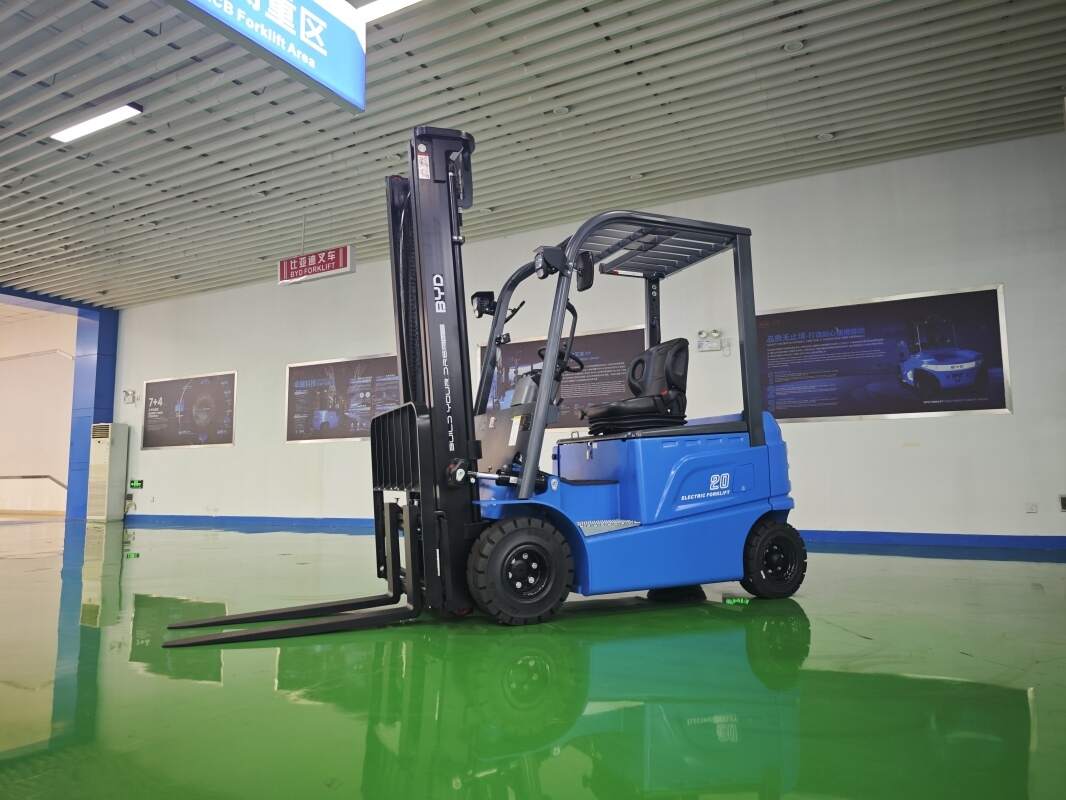
With the continuous promotion of low-carbon logistics solutions, electric forklifts have become one of the most widely used handling equipment in modern warehousing, manufacturing and distribution sectors. Unlike traditional internal combustion forklifts, electric models feature lower noise emission, more stable power output and lower long-term energy consumption, which requires users to master targeted operation and management rules to maximize their use value.
Core Performance Characteristics of Electric Forklifts
Most standard electric forklift models are driven by on-board battery packs, with transmission systems that deliver smooth torque output even when carrying heavy loads, avoiding the vibration and jitter common in fuel-powered equipment during start and stop processes. The enclosed power structure also reduces the leakage of oil or other pollutants, making it more adaptable to closed working environments such as food storage workshops, pharmaceutical warehouses and cold chain logistics sites. The whole vehicle will not produce tail gas during operation, which can effectively reduce the environmental protection pressure of the work site.
Standardized Daily Operation Specifications
Before starting each shift, operators need to check the remaining power level, brake sensitivity, tire surface condition and lifting mechanism flexibility of the equipment first, and record abnormal conditions in the corresponding management log in time. During the operation process, operators should keep the load within the rated load range, avoid sharp turns at high speed, and do not carry people on the cargo forks to prevent safety risks. When the equipment is parked, the lifting frame should be lowered to the lowest position, the power supply should be cut off, and the hand brake should be pulled up to avoid accidental sliding.
Routine Maintenance Suggestions
Regular daily maintenance work can effectively extend the service life of electric forklifts and reduce unexpected downtime. Users should clean the dust and debris on the surface of the motor and battery compartment every week, check the cable connection points for looseness or corrosion, and replenish the electrolyte for the battery pack according to the product instructions if it is a lead-acid battery model. The lubricating points of the walking mechanism and the lifting mechanism should be added with special grease on schedule to avoid excessive wear of parts caused by long-term friction.
Scenario Adaptation Adjustment Tips
For different working sites, users can adjust the relevant parameters of the electric forklift appropriately to achieve better use effect. For narrow channel operation scenarios, the corresponding steering sensitivity parameter can be adjusted to a reasonable level to improve the flexibility of passing. For low temperature operation scenarios in winter, the equipment can be preheated for 3 to 5 minutes before formal operation to ensure that the battery pack can release power stably and maintain stable working state.


