
 English
 简体中文
 Русский
 Français
 Português
 Español


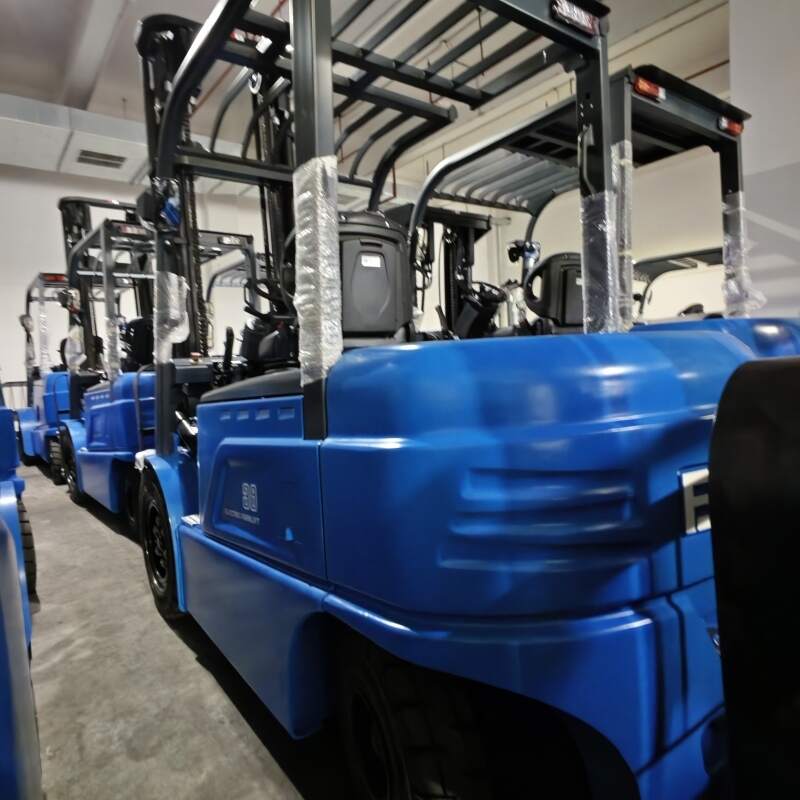
With the continuous promotion of low-carbon logistics and refined warehouse management concepts, electric forklifts have gradually become a mainstream choice for indoor material handling work, and systematic mastery of related application knowledge can help operation teams maximize the use value of the equipment.
Core Performance Advantages of Modern Electric Forklifts
Compared with traditional fuel-powered handling equipment, electric forklifts produce almost no exhaust emissions during the whole operation process, and the overall operating noise is at a relatively low level, which is more adaptable to closed indoor warehouses, cold storage, fresh food storage and other scenarios with high requirements for environmental comfort. Most of the existing mature products adopt energy recovery design in the descending and braking process, which can effectively extend the single continuous operation time of the battery under the same energy storage configuration. The internal transmission structure of electric forklifts is relatively simplified, the number of vulnerable moving parts is less than that of internal combustion products, and the energy consumption cost per unit of operation hours is relatively controllable.
Standard Daily Operation Specifications to Avoid Unnecessary Loss
All on-site operators need to complete corresponding professional pre-job training, and fully grasp the load capacity change curve of the equipment under different mast lifting heights, to avoid long-term overloaded operation causing additional wear to the hydraulic system and driving motor. Before the start of each shift, operators need to check the remaining battery power, the sensitivity of the braking system, and the wear degree of the tire surface, and suspend the use of the equipment in time once abnormal hidden dangers are found. When the equipment is driving in the warehouse passage, it is necessary to keep a safe distance from stacked goods and passing personnel, and avoid sharp steering on wet and slippery ground to reduce sideslip and rollover risks.
Regular Maintenance Skills to Reduce Unplanned Downtime
After the daily operation is completed, the forklift should be parked in the designated charging and storage area, the mast should be lowered to the lowest position, and the battery should be charged in strict accordance with the instructions, to avoid long-term power loss that affects the overall cycle life of the battery. The surface of the motor and the heat dissipation structure should be cleaned regularly, to prevent accumulated dust and sundries from blocking the heat dissipation channel and affecting the normal operation performance. The hinge parts of the mast and the transmission connection points should be filled with special lubricating oil on a regular basis according to the specified cycle, to reduce the friction loss between metal parts. After a certain period of use, professional personnel can check the tightness of the line joints and the insulation performance of the electrical system, to eliminate potential safety hazards in the initial stage.


