
 English
 简体中文
简体中文 Русский
 Français
 Português
 Español

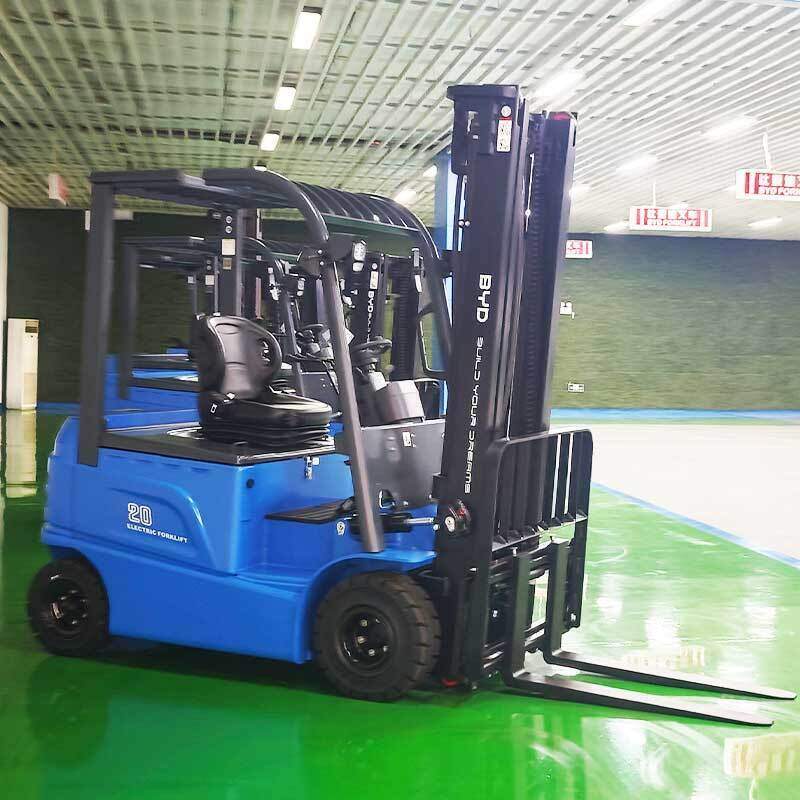
As the global logistics sector continues to pursue low-carbon and high-efficiency operation modes, electric forklifts have become one of the most widely applied material handling equipment in indoor warehouses, manufacturing workshops and cold chain storage scenarios in recent years.
Core Functional Advantages of Electric Forklifts
Unlike traditional internal combustion counterparts, electric forklifts produce no exhaust emissions during operation, which effectively avoids air pollution in enclosed working spaces, and their running noise is controlled at a relatively low level to reduce disturbance to on-site staff and surrounding working areas. The average energy consumption cost per unit operation is lower than that of fuel-powered equipment, which helps control long-term operational expenditure for logistics operation teams, and reduces the extra cost of exhaust emission treatment and fuel management in closed work sites.
Standardized Operation Specifications for Daily Use
Before each shift, operators need to conduct routine inspections of key components, including remaining battery level, brake sensitivity, mast lifting flexibility and safety warning light status, to eliminate hidden risks before formal operation. During the handling process, staff should strictly follow the rated load limit requirements, avoid overloading operation that may cause damage to the mast and bearing structure, and keep a safe distance from surrounding shelves, passing pedestrians and other operation equipment in narrow aisle scenarios. When the equipment is not in use for more than 15 minutes, operators should cut off the main power supply to avoid unnecessary power loss.
Targeted Maintenance Strategies to Optimize Lifecycle Performance
For the core power battery component, users should avoid frequent overcharging and over-discharging during daily use, regularly clean the dust and accumulated impurities on the surface of the electrode interface, and check the wiring tightness to reduce unnecessary energy loss. For the hydraulic lifting system, it is recommended to check the sealing performance of the oil pipe joints every 300 working hours, replenish the hydraulic oil to the specified level in time, and apply professional lubricant to the rotating and sliding parts of the walking and lifting structure to reduce wear. Regularly clean the sundries and dust accumulated in the heat dissipation gap of the motor, to ensure the equipment maintains stable operation performance under long-time continuous working conditions. Proper operation and scientific maintenance can effectively extend the service life of electric forklifts, bring more stable material handling support for different application scenarios, and help the operation team obtain higher input-output ratio in long-term use.


