
 English
 简体中文
 Русский
 Français
 Português
 Español


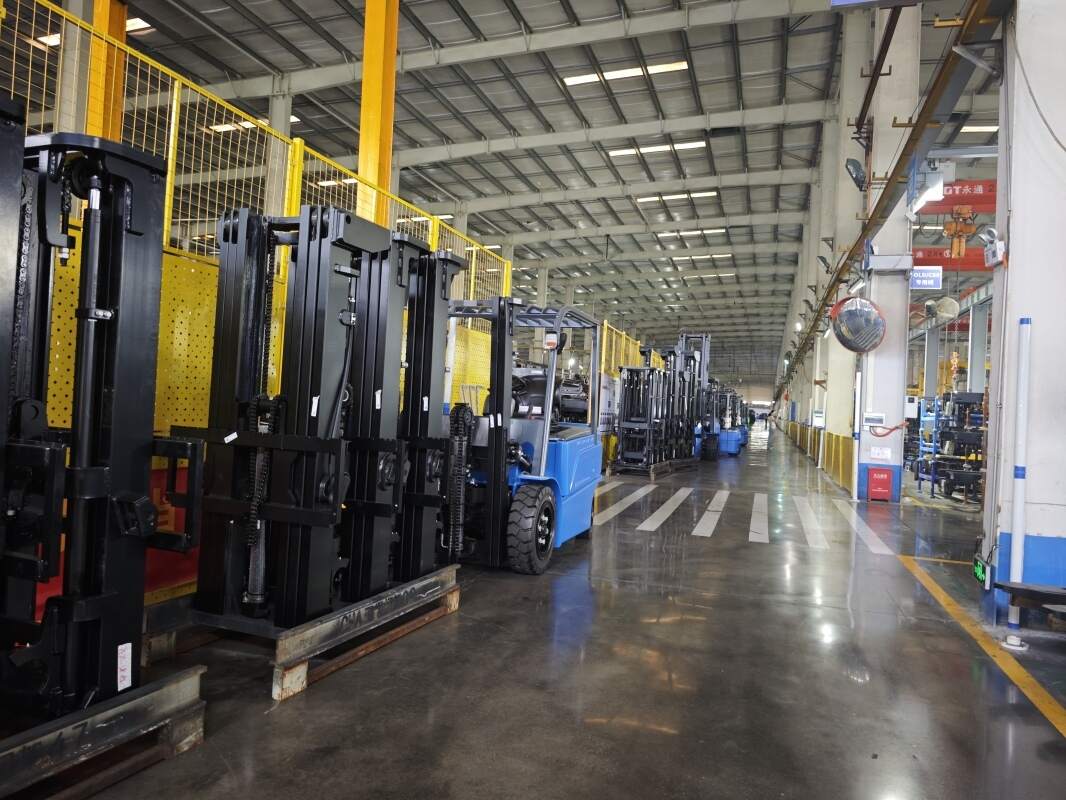
As the low-carbon logistics development trend gains momentum in recent years, electric forklifts have been widely adopted in various indoor warehouse, manufacturing workshop and light cargo distribution scenarios. Mastering professional operation and maintenance knowledge can help staff give full play to the energy-saving, low-noise advantages of the equipment, reduce unnecessary component wear, and avoid potential safety risks in daily working processes.
Basic Pre-operation Check Specifications
Before the start of each operation shift, operators need to complete a series of standardized checks to confirm the equipment is in normal working state. The check scope includes the remaining power level of the power system, the flexibility of the steering and braking structure, the integrity of the fork assembly and load backrest, as well as the normal display state of all warning indicators on the operation panel. Operators also need to inspect the surrounding working environment to exclude obstacles on the planned running path, and confirm the weight of the to-be-handled load does not exceed the rated load range specified by the official equipment parameters.
Standard Operation Best Practices
During the whole operation process, operators need to adjust the running speed to adapt to different site conditions, avoid sharp turns and sudden braking on uneven road surfaces, and keep a sufficient safe distance with surrounding personnel, storage racks and other facilities. When lifting cargo to a high position, operators should keep the load slightly tilted backward to maintain stability, and do not carry out high-speed moving actions under the state of high load and high lifting height. For long-distance transfer tasks in large warehouses, users can switch to the low energy consumption running mode to reduce extra power consumption, and avoid long-time continuous overloading operation that may bring extra loss to the power and transmission system.
Conventional Daily Maintenance Points
After finishing the daily operation, operators need to park the equipment at the designated storage area, lower the fork to the lowest position, cut off the main power supply and complete the surface cleaning work of the equipment. For the core power battery module, relevant staff should follow the official charging specifications to complete the charging process, avoid frequent full discharge and long-time overcharging, and regularly check the interface tightness and surface cleanliness of the battery. Regular professional inspection can help find potential hidden troubles in the transmission system and control circuit in time, effectively extend the overall service life of the equipment, and reduce the unexpected downtime rate in daily working scenarios.


