
 English
 简体中文
简体中文 Русский
 Français
 Português
 Español

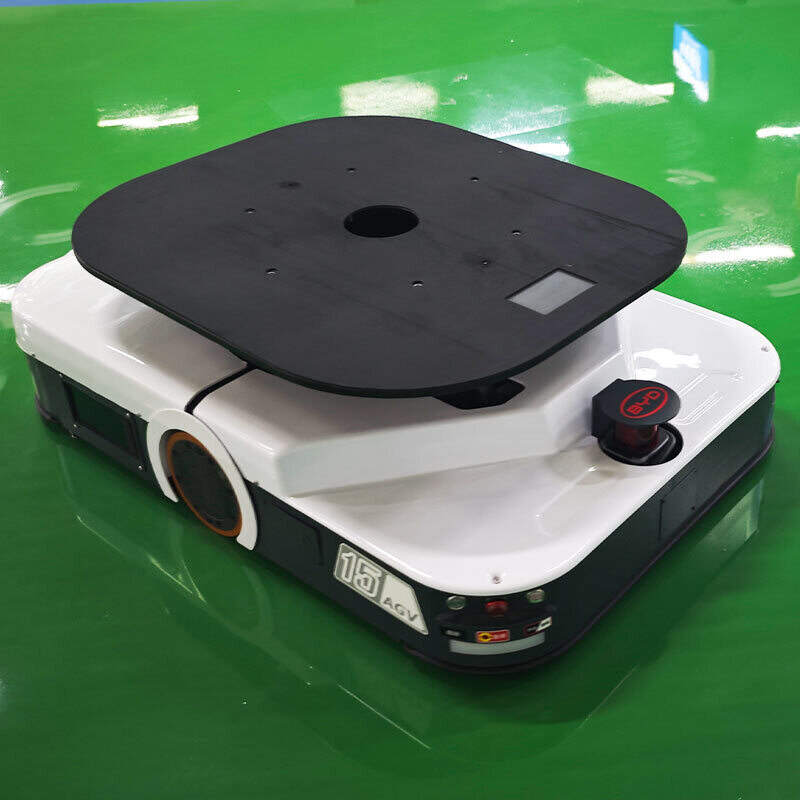
As the logistics and warehouse industry keeps pursuing low-carbon operation and stable material handling efficiency, electric forklifts have become a mainstream equipment choice for most indoor and semi-outdoor working scenarios in recent years. Different from traditional internal combustion counterparts, electric forklifts rely on power battery packs to provide driving and lifting power, featuring relatively low noise and zero local exhaust emission.
Core Application Scenarios and Performance Features
Most electric forklift models are designed to adapt to flat, solid ground, and can complete tasks including pallet lifting, goods stacking, short-distance material transfer and cargo loading and unloading, which are widely used in closed warehouses, cold chain storage facilities, retail distribution centers and light manufacturing workshops. The load capacity of conventional products can cover the common demand range of 1 ton to 5 tons, and users can select corresponding configuration parameters according to their actual operation frequency, maximum lifting height and site space size, so as to avoid equipment performance mismatch caused by blind parameter selection.
Standard Operation Norms to Reduce Safety Risks
Operators need to receive systematic pre-job training before formally using electric forklifts, and master the correct operation logic of driving system, hydraulic lifting system and emergency braking mechanism. Before each shift, staff need to check the remaining power level, the flexibility of steering component, the wear condition of forks and the sensitivity of safety warning devices, and it is not recommended to operate the equipment beyond the rated load for a long time. When working in narrow aisle scenes, operators should properly control the driving speed and keep a safe distance from surrounding shelves, personnel and other operation facilities, to reduce the probability of collision and equipment damage.
Routine Maintenance to Extend Service Life
Scientific and standardized daily maintenance can effectively reduce the failure rate of electric forklifts, and delay the overall performance attenuation of core components. The regular maintenance work mainly includes the cleaning of dust and debris accumulated on the surface of the power unit, the inspection of the connection tightness of the battery interface, the lubrication of the rotating bearing parts of the lifting gantry, and the timely replacement of worn tires. It is not recommended to place the power battery in a state of deep power loss for a long time during daily storage, and users can arrange targeted professional inspection work at regular intervals according to the actual operation intensity of the equipment.
Energy Efficiency Optimization to Lower Operation Cost
Reasonable operation habits can effectively improve the energy utilization efficiency of electric forklifts, and extend the single full-charge operation duration. Planning the operation route in advance to avoid repeated turns and long-distance rapid acceleration, avoiding the long-time stay of goods at the maximum lifting height, and arranging charging work in the low peak period of power consumption, all these measures can help control the long-term comprehensive operation cost of the equipment.


