
 English
 简体中文
 Русский
 Français
 Português
 Español


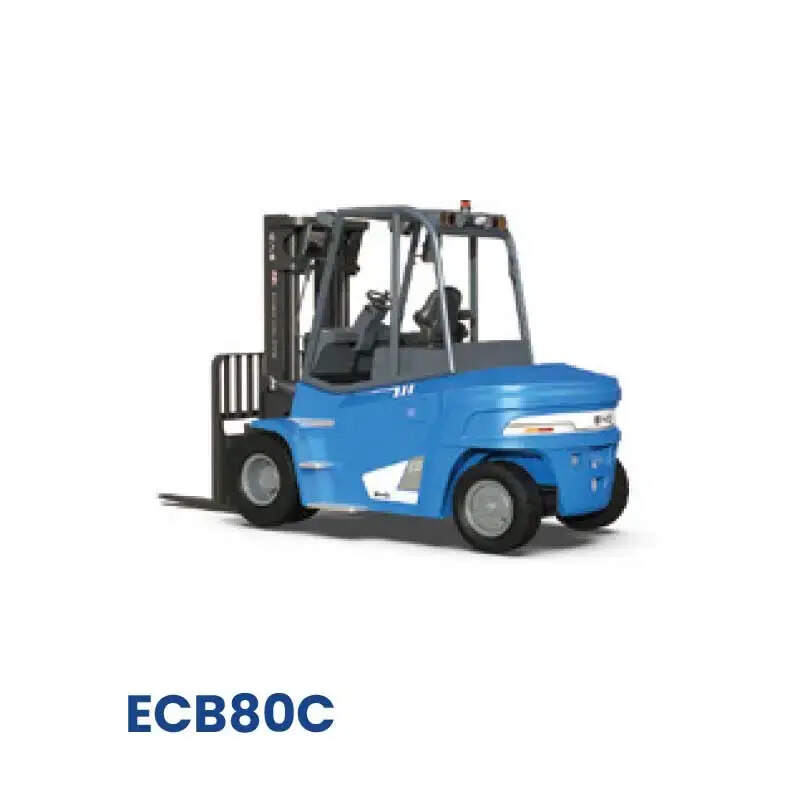
Against the backdrop of low-carbon logistics development, electric forklifts have become one of the most widely used handling equipment in warehouse, manufacturing and distribution scenarios for their low noise, zero local emission and relatively low long-term operation cost. Mastering systematic use and management knowledge of electric forklifts can help relevant practitioners give full play to the equipment’s performance and reduce unnecessary loss in daily work.
Core Pre-operation Inspection Protocols
Before starting each shift of operation, operators need to complete a full range of basic checks to eliminate hidden risks in advance. First, check the remaining battery level to confirm it can support the planned operation tasks of the shift, avoid sudden power outage in the middle of high-place operation or heavy load movement. Second, test the sensitivity of braking system, steering system and hydraulic lifting mechanism, confirm there is no lag or abnormal stuck situation during operation. Third, check the surface wear condition of tires, the tightness of connecting parts of lifting fork, and the clarity of lighting and warning signal devices, to make sure all parts are in normal working state.
Routine Daily Maintenance Best Practices
Standardized daily maintenance can effectively extend the service life of electric forklifts and reduce unexpected failure rate. For the power battery part, operators should follow the official charging specification, avoid full discharge before charging, and do not leave the equipment in overcharging state for a long time after the battery is fully filled. It is also recommended to clean the dust and sundries accumulated on the surface of the equipment and the heat dissipation structure after each use, check the lubrication state of movable connection parts regularly, and replenish special lubricating grease in time according to the use frequency. Do not park the electric forklift in the environment with high humidity or strong corrosive gas for a long time, to avoid unnecessary corrosion of metal structure and circuit components.
Safe Operation and High-efficiency Application Tips
During actual operation, operators should strictly refer to the rated load parameter of the equipment, do not carry over-weight goods beyond the specified range, and keep the goods stably placed on the pallet to avoid falling off during movement. When turning or driving on wet and slippery roads, please slow down in advance to avoid sideslip, and do not drive laterally on the ramp with large gradient. Enterprises can also optimize the material handling path in the warehouse reasonably to reduce unnecessary no-load driving distance, which can further improve the overall operation efficiency and reduce the energy consumption per unit of handling task.


