
 English
 简体中文
简体中文 Русский
 Français
 Português
 Español

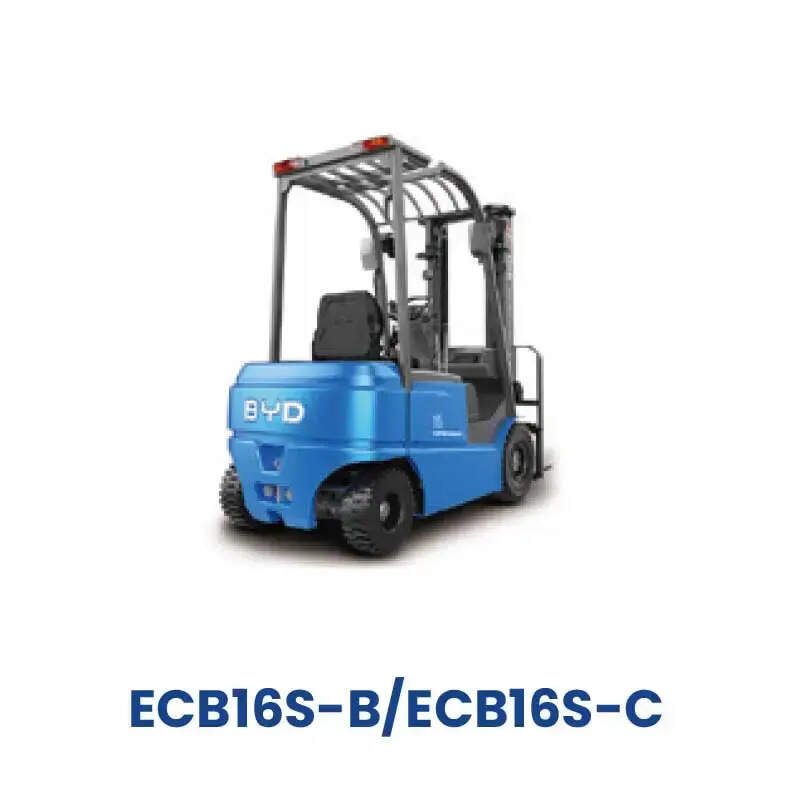
Against the background of growing demand for low-carbon industrial operations, electric forklifts have become one of the most widely used material handling equipment across storage, manufacturing and distribution sectors in recent years. Different from traditional internal combustion handling equipment, electric forklifts run on power battery systems, featuring relatively low noise output and zero on-site exhaust emission during normal working cycles. Mastering correct operation and management rules of such equipment can help relevant practitioners maximize its using value in daily scenarios.
Core Advantages of Electric Forklifts in Common Use Scenarios
Most electric forklift models are designed with compact body structure, which can adapt to narrow passage operation requirements in closed high-density warehouses, and will not generate extra exhaust pollution that may affect the storage environment of food, medicine and other sensitive goods. During normal working process, the vibration and noise level of electric forklift driving and lifting system is significantly lower than that of fuel-powered counterparts, which can effectively reduce the fatigue degree of operators after long-time continuous work, and also create a more comfortable working environment for surrounding staff in the operation area. The flexible configuration of different load and lifting height parameters can also meet the differentiated material handling demands from different industry scenarios.
Standardized Daily Operation Rules to Reduce Equipment Wear
Operators should receive systematic pre-job training before officially taking post, and be familiar with the basic parameters and load range of the specific equipment they operate. Before each shift, it is necessary to conduct a simple inspection of the tire wear condition, brake sensitivity, lifting oil circuit sealing status and power remaining level of the electric forklift, and put an end to overloading operation that exceeds the rated load of the equipment for a long time. When the equipment is running in the passage, the driving speed should be adjusted according to the surrounding personnel flow and cargo stacking density, avoid sudden braking and sharp turning operations as much as possible, so as to reduce the impact loss of the driving motor and the frame structure.
Routine Maintenance Strategies to Extend Service Cycle
After each shift, operators should park the electric forklift in the designated charging area, turn off the power system completely, and clean up the dust and debris accumulated on the surface of the body, the fork assembly and the heat dissipation part of the motor. The battery pack should be charged in strict accordance with the specified operation process, and avoid the situation of long-term deep power loss or overcharge, which may damage the overall performance of the battery unit. Regular professional inspection of the electric control system, walking mechanism and hydraulic lifting system is also required, to timely find and solve minor hidden troubles that may affect the normal operation of the equipment. Proper daily management can effectively reduce the frequency of unexpected equipment failure, and bring more stable performance output for long-term material handling work.


