
 English
 简体中文
简体中文 Русский
 Français
 Português
 Español

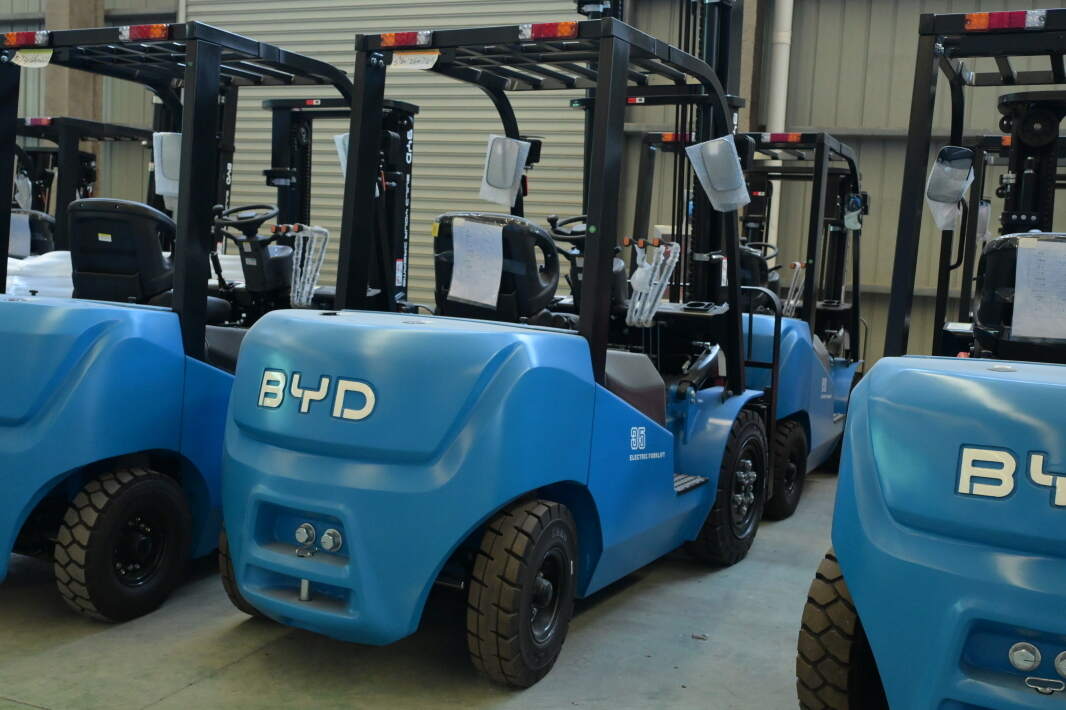
As new energy industrial handling equipment is widely adopted in modern warehouse and logistics scenarios, electric forklifts have gradually become the core tool for many enterprises to complete short-distance cargo movement and stacking work. Mastering scientific operation and management methods can give full play to the advantages of low noise and zero direct emission of such equipment, and avoid unnecessary equipment loss and potential safety risks.
Core Pre-operation Inspection Protocols
Before starting each shift of operation, operators need to complete a series of targeted checks to eliminate hidden dangers in advance. The first step is to check the remaining power status of the power system, confirm that the connection of the power supply components is firm, and there is no abnormal liquid leakage or damage to the outer shell. Then the staff need to test the flexibility of the braking system, the sensitivity of the steering component, and the normal lifting and tilting state of the fork arm, and check whether the warning lights and sound prompt devices on the vehicle body can work normally. Operators also need to clean the sundries around the operation area in advance to prevent hidden dangers caused by scattered goods slipping on the ground during operation.
Standard Operation Specification for Daily Use
During the operation process, operators need to strictly follow the corresponding operation process requirements, and do not carry out over-load handling according to personal experience. When driving with goods, keep the fork arm 10 to 20 cm above the ground, avoid sudden braking and sharp steering, and slow down in narrow aisles and areas with many pedestrians. When stacking goods, adjust the inclination angle of the gantry according to the weight of the goods to ensure that the goods are placed stably, and do not stand under the lifted fork arm for a long time. For different scenarios such as cold storage and special chemical storage areas, operators need to adjust the operation rhythm according to the environmental characteristics, and properly control the continuous working time of the equipment.
Routine Maintenance to Extend Equipment Service Life
After the daily operation, the staff should park the equipment in the designated special parking area, lower the fork arm to the horizontal position close to the ground, and cut off the power supply in time. The surface dust and residual cargo debris on the vehicle body, gantry and wheel parts can be cleaned regularly, and the wear degree of the transmission parts and tire tread can be checked every fixed cycle. When charging, use the matching power supply facilities in accordance with the regulations, do not overcharge for a long time beyond the specified time range, and arrange professional personnel to troubleshoot abnormal faults in time. Good daily maintenance habits can reduce the failure rate of the equipment and help control the long-term use cost of the enterprise.


