
 English
 简体中文
简体中文 Русский
 Français
 Português
 Español

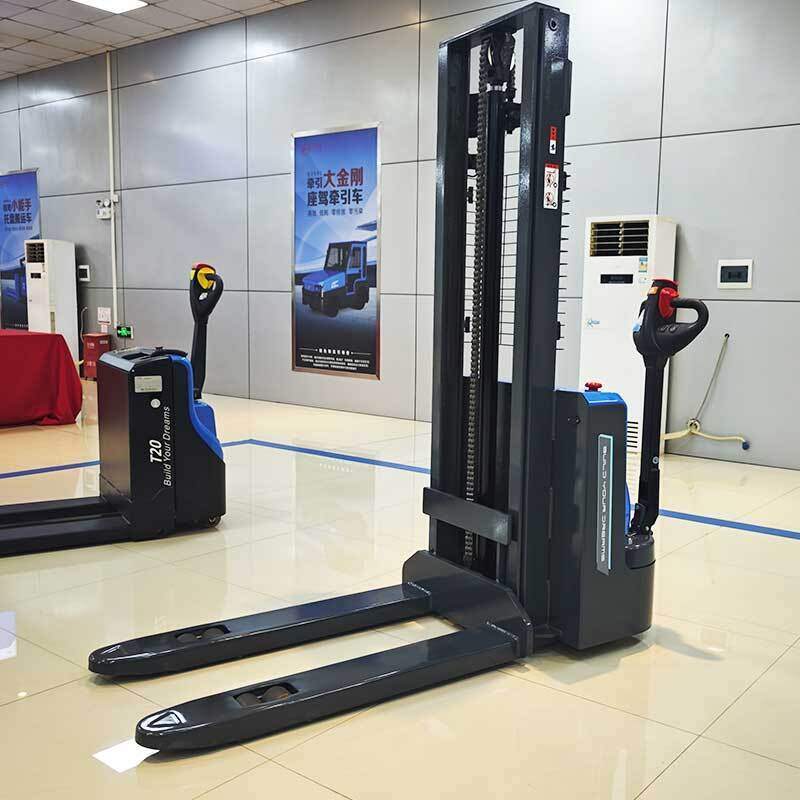
Against the backdrop of growing demand for low-carbon and high-efficiency logistics operations, electric forklifts have become one of the most widely used material handling equipment in modern closed warehouses, cold storage facilities and retail distribution centers. Many frontline operators and warehouse managers are looking for systematic, easy-to-implement guidance to maximize the value of such equipment without unnecessary additional cost.
Core Functional Advantages of Modern Electric Forklifts
Unlike traditional internal combustion powered handling equipment, electric forklifts produce no local exhaust emissions during operation, which effectively avoids pollution to stored goods with high requirements for air cleanliness, such as food and pharmaceutical products. The operating noise level of qualified electric forklift units is far lower than that of fuel-powered counterparts, which helps reduce noise interference for on-site staff working for long hours and creates a more comfortable working environment. The smooth output of the electric power system also reduces the vibration transmitted to the load, lowering the risk of damage to fragile goods during handling.
Standardized Operation Protocols for Daily Use
Before starting each shift, operators need to conduct a pre-shift inspection covering the remaining battery level, brake sensitivity, steering system flexibility, fork surface deformation and the condition of warning lights. Operators should avoid overloading beyond the rated load capacity marked on the equipment nameplate, and never allow personnel to stand on the forks to perform high-altitude operations. When passing through narrow aisles, corners or areas with dense pedestrian flow, operators should reduce driving speed in advance and send out clear warning signals to surrounding personnel. When leaving the operating position for more than one minute, operators should fully lower the forks to the ground and cut off the main power supply of the equipment.
Routine Maintenance Tips for Longer Service Life
After completing the daily operation, operators should clean up the debris, dust and spilled goods residues attached to the body, wheels and power compartment in time to avoid long-term corrosion to the equipment structure. For lead-acid battery units, operators should check the electrolyte level regularly to keep it within the range recommended by the equipment manual, and avoid frequent full discharge operation to reduce the loss of battery activity. The inspection of the hydraulic system should be arranged on a weekly basis, to check for possible oil leakage at the sealing position of the lifting cylinder, and replenish the hydraulic oil with qualified specifications in time if the liquid level is lower than the standard line. Following the above operation and maintenance norms can effectively reduce the unexpected failure rate of electric forklifts, improve the continuity of material handling work, and help the warehouse operation team achieve more stable and controllable daily performance.


