
 English
 简体中文
简体中文 Русский
 Français
 Português
 Español

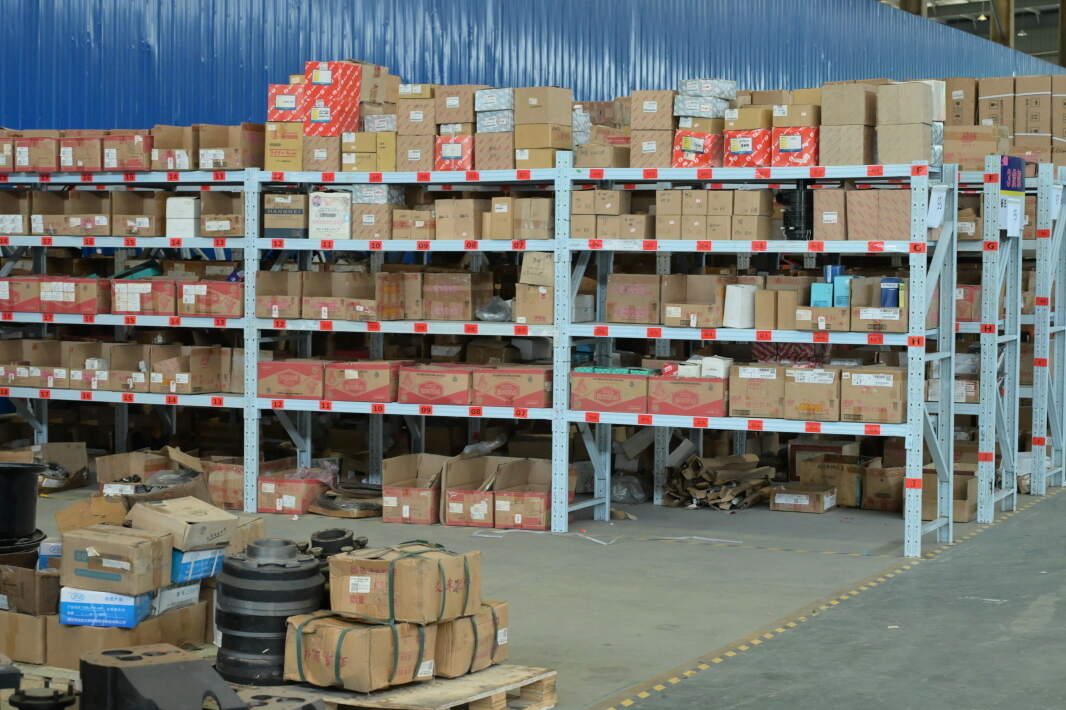
In recent years, electric forklifts have been widely applied in various industrial and warehousing scenarios for their low noise, zero local emission and easy operation characteristics. Mastering correct usage and maintenance methods can help operators give full play to the performance advantages of equipment, and reduce unnecessary operation cost in daily work.
Basic Standardized Operation Rules
Before starting any operation, operators need to complete pre-use inspection including checking battery power, brake sensitivity, steering flexibility and body surface damage, to make sure no hidden risks exist before driving. During operation, keep the running speed within the specified range, maintain safe distance with surrounding personnel, goods and passages, avoid sharp turning and sudden braking under heavy load status. For the lifting part, adjust the fork distance reasonably according to the size of goods, keep the goods in the center of the two forks to avoid unilateral tilt or falling of goods, do not carry people on the forks or lift personnel without special supporting facilities. When the operation is finished, park the vehicle in the specified designated area, lower the forks to the lowest position, cut off the main power supply of the equipment properly.
Routine Maintenance and Daily Care
Regular maintenance work can effectively reduce unexpected failure rate of electric forklifts, and extend the overall service cycle of core components. For the power battery part, follow the specified charging rules, avoid over-discharging to ultra-low power status and long-time overcharging, keep the surface of battery and joint parts clean and dry, check the wiring tightness at fixed intervals. For the hydraulic system, check the oil level and oil quality regularly, replace the hydraulic oil in accordance with the specified cycle, avoid impurities entering the pipeline to cause blockage or abnormal wear of hydraulic parts. Clean the dust and sundries on the surface of vehicle body, tire surface and heat dissipation system every working shift, to avoid affecting normal heat dissipation and driving stability.
Scene-based Efficiency Optimization Strategies
Different application scenarios have different usage characteristics, and targeted adjustment of operation habits can give full play to the performance advantages of electric forklifts. For narrow aisle warehouse scenes, operators can use the low-noise and flexible steering characteristics of electric forklifts to reasonably plan the running route, reduce unnecessary repeated turning and backtracking, and improve the turnover efficiency of goods access. For long-time continuous operation scenarios, arrange the battery replacement or supplementary charging plan reasonably according to the actual power consumption, avoid sudden power outage in the middle of operation to affect the overall work progress. For closed indoor operation scenarios, make full use of the zero-emission advantage of electric forklifts, no need to configure special waste gas discharge pipeline, which can reduce the overall supporting cost of the working space. Mastering these practical skills can help relevant staff make better use of electric forklift equipment to support stable daily material handling work.


