
 English
 简体中文
 Русский
 Français
 Português
 Español


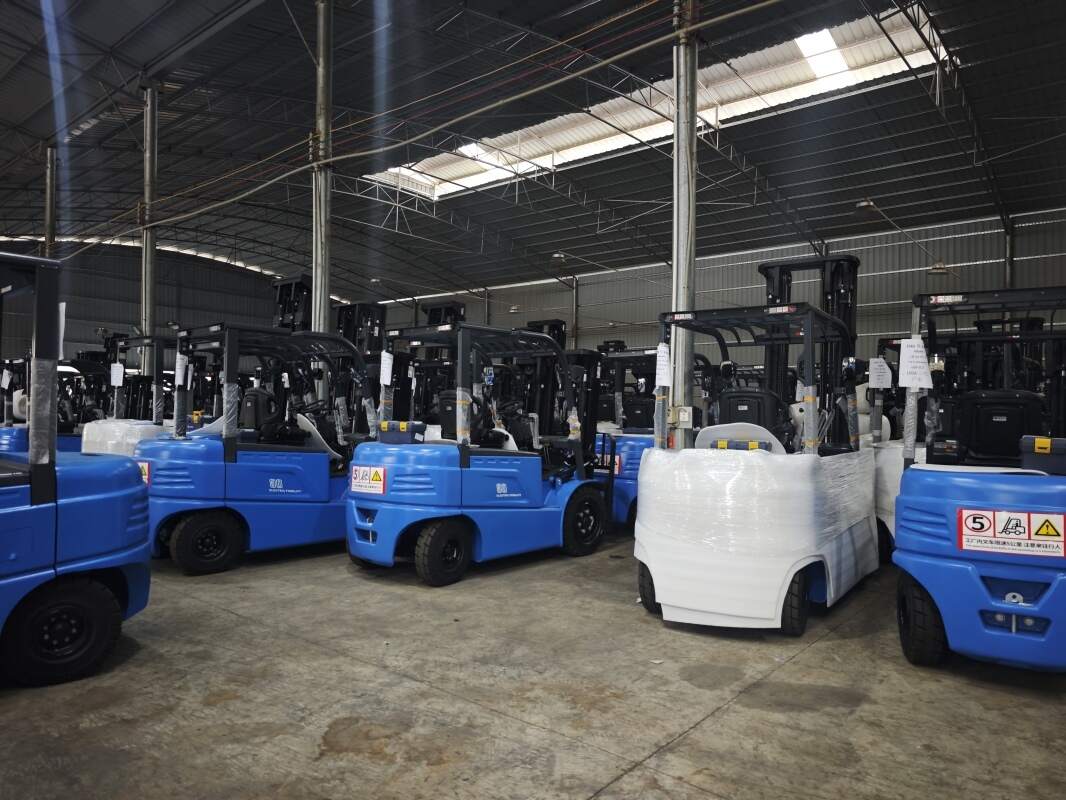
As the low-carbon transformation of industrial logistics accelerates, electric forklifts have become widely adopted core material handling equipment in most indoor warehousing and short-distance distribution scenarios. Mastering systematic application specifications can help operation teams give full play to the equipment’s advantages of low noise, zero local emission and low operation cost, while effectively reducing unnecessary component wear and safety risks.
Core Pre-operation Preparation Specifications
Before starting any formal operation, operators need to complete a full range of visual and functional checks for key components, including remaining power status, brake sensitivity, tire wear condition and fork surface deformation, to make sure no hidden dangers are brought into the formal operation process. Operators also need to confirm the actual load weight matches the equipment’s rated load range in advance, avoid overloading behaviors that may cause extra component abrasion or unbalance risk during lifting and moving.
Routine Maintenance Points to Optimize Equipment Performance
Daily maintenance of electric forklifts focuses on battery management as the core part, operators should avoid full power depletion before charging, and arrange the full charging process in a well-ventilated dry environment, do not place irrelevant heavy objects on the surface of the battery compartment. After each shift, operators need to wipe away dust and residual sundries on the equipment body, check the connection status of wiring ports, and arrange regular professional inspection of the motor and hydraulic system according to actual use frequency.
Operation Safety and Scenario Adaptation Rules
In narrow aisle warehousing scenarios, operators should control the running speed within the specified range, keep a proper safety distance with surrounding storage racks and passing staff. For semi-outdoor operation scenarios, avoid using the equipment in heavy rain or water accumulation that exceeds the specified depth, to prevent water from entering the internal electrical structure. All new operators need to complete systematic skill training before independent operation, to form good operation habits that reduce manual misoperation.
Reasonable application and maintenance of electric forklifts can bring long-term stable support for the whole material handling flow of warehousing teams, and create a more friendly low-carbon working environment for frontline staff.


