
 English
 简体中文
 Русский
 Français
 Português
 Español


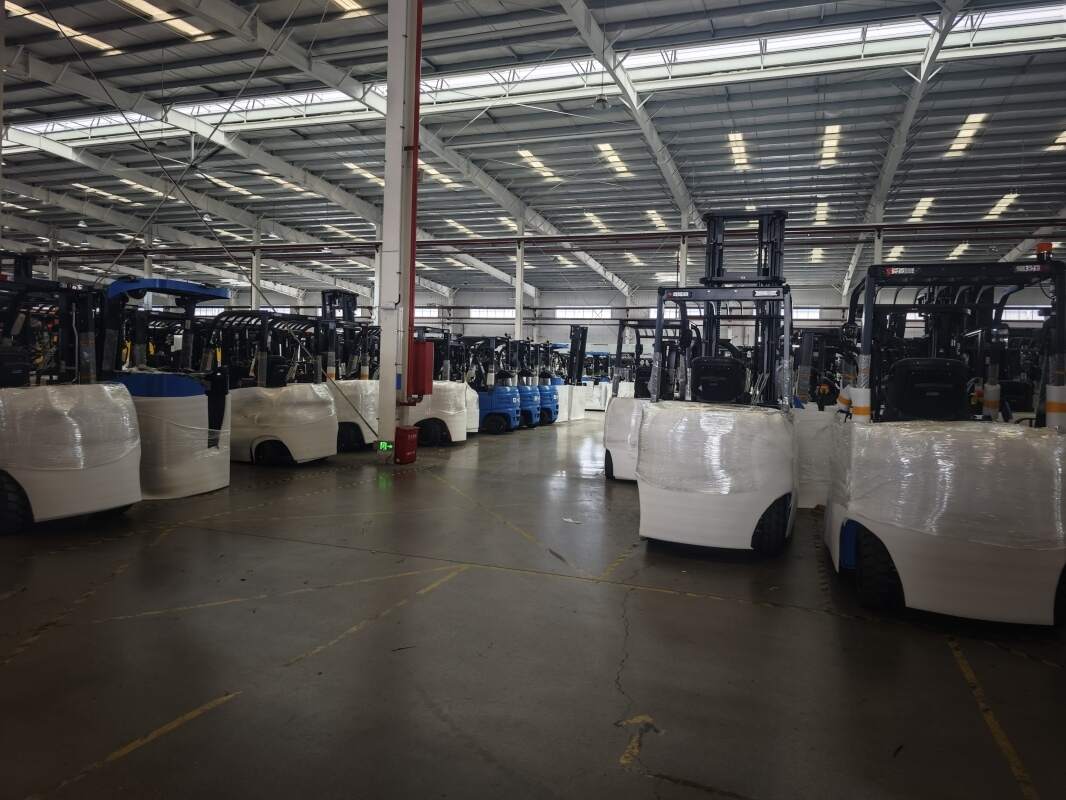
As a common core logistics handling equipment widely used in warehouses, manufacturing workshops and distribution centers, electric forklifts have been favored by more and more enterprise users in recent years for their low noise and zero local emission features. For frontline operators and equipment managers, mastering standardized use and management rules can effectively reduce unnecessary equipment wear, lower long-term operation cost and improve overall handling efficiency.
Basics of electric forklift Pre-operation Check
Before each shift of operation, operators need to complete a series of necessary pre-check work. The check scope covers the power system status, remaining power display, tire wear degree, brake sensitivity, lifting chain tightness and the normal operation status of lighting and warning devices. During the check process, operators should record any abnormal status in the corresponding equipment log in time, and do not start the operation before hidden dangers are eliminated, which can effectively avoid unexpected failures in the subsequent working process.
Core Specifications for Daily Standardized Operation
During the actual operation process, operators need to control the driving speed according to the on-site ground condition, personnel density and cargo stacking environment, and avoid sudden steering or sudden braking behaviors under no special emergency situation. When carrying heavy loads, operators should adjust the fork distance to keep the center of gravity of the whole vehicle and the cargo within the stable load range of the equipment, and avoid lifting and moving cargo beyond the rated load as far as possible. When the equipment is running on the ramp, the cargo should be kept on the upward side to prevent slipping risk.
Routine Maintenance to Optimize Equipment Use Cycle
For daily maintenance work, operators should complete the cleaning of the body surface and dust removal of the key moving parts after the daily operation is finished. For the power system, the charging process should be carried out in a cool, ventilated and dry environment, avoid overcharging or long-term power loss storage, and regularly check the connection tightness of the wiring components. The scheduled maintenance work completed by professional technicians every certain working hours can help identify potential hidden dangers in advance, keep the equipment in good operating condition for a long time.
Scenario Adaptation Suggestions for Different Working Conditions
According to different actual use scenarios, users can adjust the corresponding operation and maintenance rules appropriately. For example, for the equipment used in cold storage environment, the anti-freeze protection of key components should be done well, and for the equipment used in outdoor open yards, the rainproof and sunshade measures for the power parts should be paid attention to. Reasonable adjustment according to actual working conditions can further improve the adaptability of electric forklifts to different working environments.


