
 English
 简体中文
简体中文 Русский
 Français
 Português
 Español

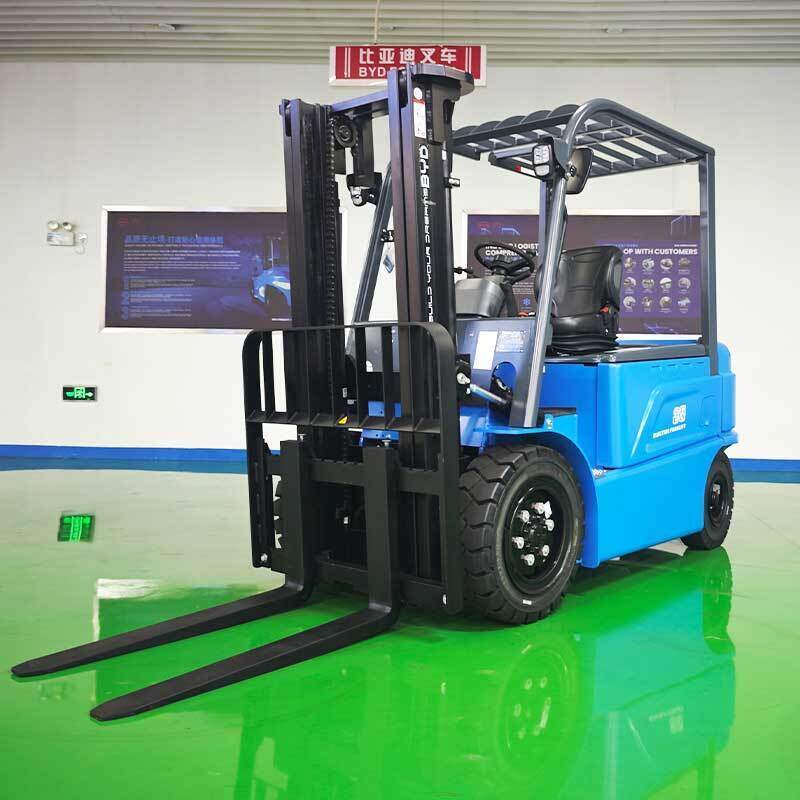
As low-carbon logistics development continues to penetrate all sectors of the material handling industry, electric forklifts have gradually become one of the most widely used loading and unloading equipment in indoor operation scenarios. This guide sorts out practical professional knowledge covering multiple links of electric forklift use, to provide useful reference for logistics practitioners and equipment managers.
Core Advantages of Electric Forklifts in Daily Operation
Compared with fuel-powered handling equipment, electric forklifts produce no exhaust emissions during operation, which can effectively avoid air pollution in closed or semi-closed indoor spaces such as warehouses and distribution centers. The overall noise level of the running equipment is also relatively low, which will not cause continuous interference to on-site operators and people working in the surrounding working areas. Most of the structural modules of electric forklifts are designed with simplified transmission structures, which can reduce the energy loss generated during power transmission to a certain extent, and lower the long-term operating cost of the equipment fleet.
Standardized Operation Specifications to Avoid Unnecessary Loss
Operators need to receive targeted pre-job training before formally using electric forklifts, and be familiar with the basic parameters of the equipment including load limit, maximum lifting height and allowable turning radius. Before each start-up, a quick visual inspection of the tire condition, brake sensitivity and power remaining level is required, and overloading of goods beyond the rated load range is strictly prohibited. When the equipment is running on wet or slippery ground, the driving speed should be appropriately reduced, and emergency sharp turns and sudden braking should be avoided as much as possible. Operators are also suggested to keep a clear view of the driving route, and slow down in areas with dense personnel or stacked goods.
Routine Maintenance Points to Stabilize Equipment Performance
Daily maintenance work of electric forklifts can be carried out in accordance with the cycle of daily, weekly and monthly inspection. The power supply system is the core part of maintenance, operators need to check the connection points of the power module regularly, keep the surface of the module dry and clean, and follow the standard charging process recommended by industry specifications. The wear degree of the forklift forks, lifting chain and other load-bearing parts should be checked regularly, and the corresponding lubrication treatment should be done on the moving connection parts to reduce the friction loss caused by long-term use. When arranging the use plan of electric forklifts, the equipment manager can also make reasonable scheduling according to the actual business volume, so as to avoid the long-term continuous high-load operation of a single equipment, which is conducive to maintaining the good operating condition of the whole fleet.


